BY PETER HOUGHTON
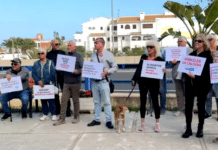
In September last year, Costa Campoamor” Residents’ Association were given a clear assurance.
The Councillor for the Environment stated that a contract was being processed for the cleaning of the pine forest and the management of fire risks. It was presented as a responsible step — a necessary action to protect both the environment and the people who live nearby.
Months have now passed and nothing has been done.
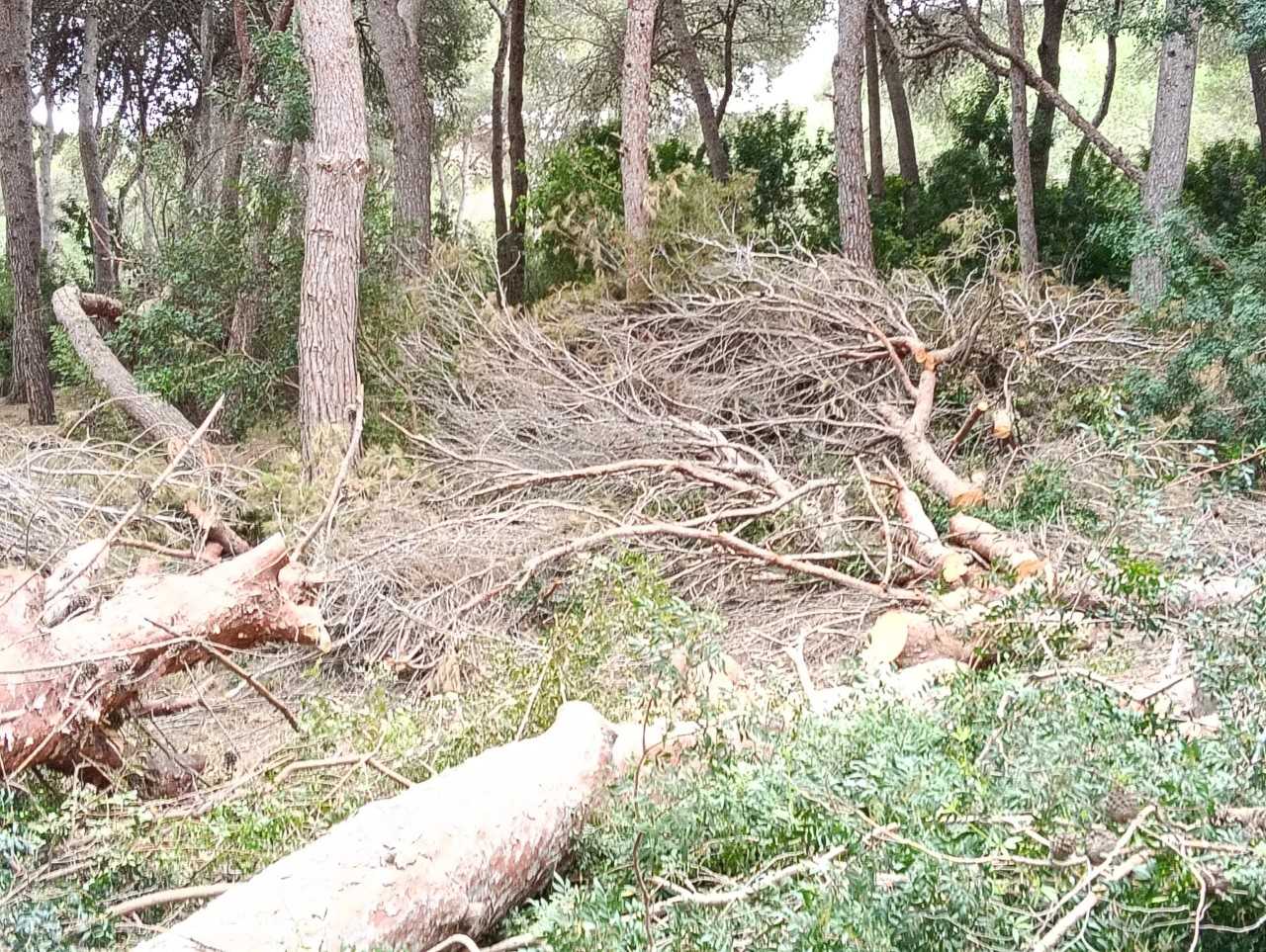
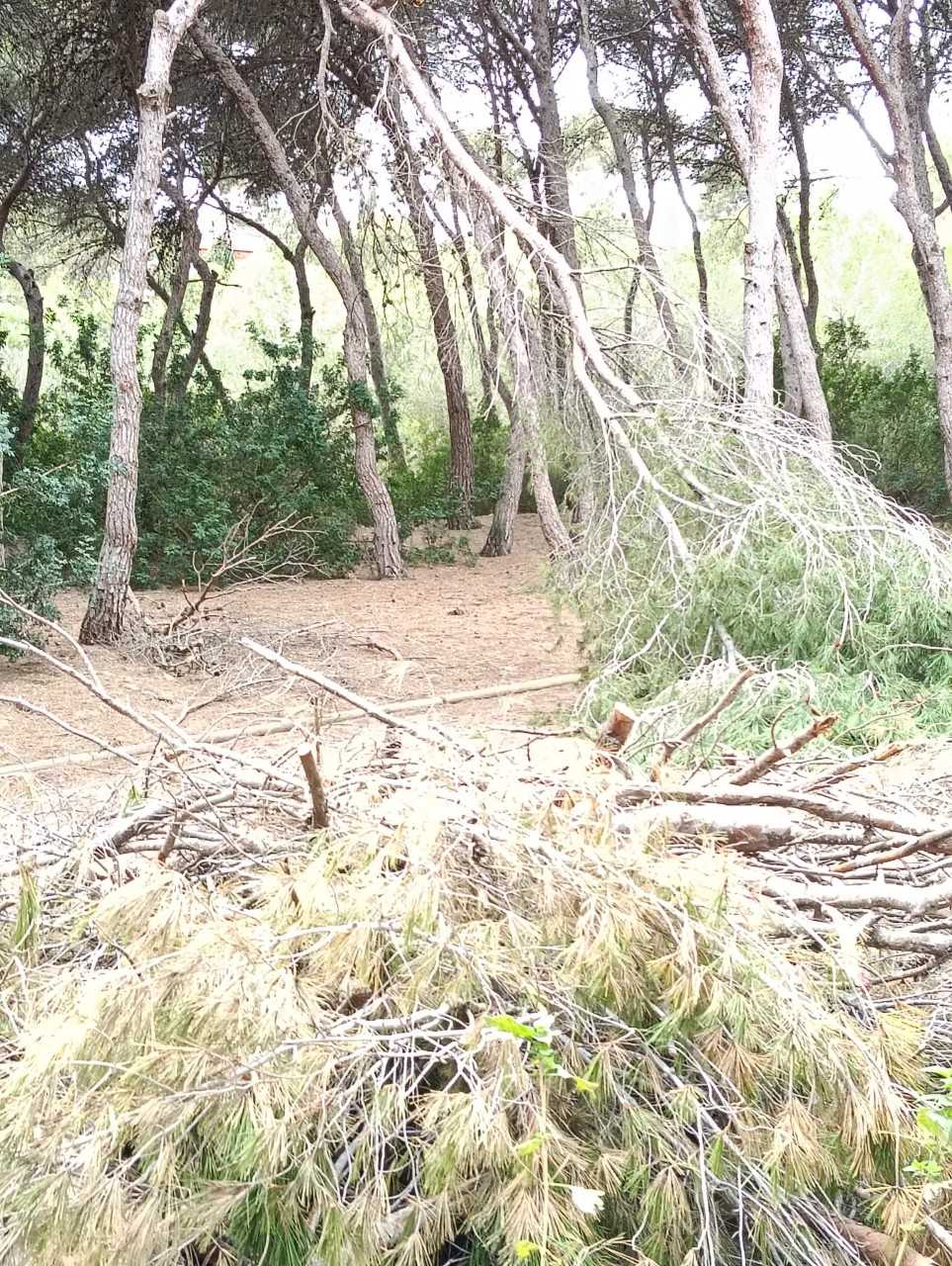
The evidence is not hidden. It is visible to anyone who walks through the area or looks at the images now circulating among residents. Fallen trees lie where they collapsed. Branches have been left to dry where they fell. Undergrowth has been cut in places and abandoned in piles, creating thick layers of combustible material across the forest floor.
This is not maintenance. This is neglect.
And in a Mediterranean environment, neglect of this kind carries consequences.
Dry vegetation is not just unsightly — it is fuel.
Dead wood is not harmless — it is ignition waiting to happen.
Every day that passes without action increases the level of risk.
This is not speculation. It is basic fire prevention.
Across Spain, and particularly in regions like Alicante, strict protocols exist precisely to prevent these situations. Forest management, clearing of debris, and reduction of fuel loads are not optional extras — they are fundamental safety measures designed to prevent small incidents from becoming uncontrollable wildfires.
Those protocols exist for a reason.
Because when fire takes hold in unmanaged terrain, it does not negotiate.
It spreads.
It accelerates.
And it destroys.
What makes this situation even more concerning is that the risk has already been identified. It was acknowledged. It was addressed publicly. A solution was promised.
And yet, despite that awareness, despite that commitment, the conditions on the ground remain unchanged.
That is not a failure of knowledge.
It is a failure of action.
Residents are not asking for complex policy explanations or long-term strategies. They are asking for something far more basic:
If a risk is identified, why is it not being dealt with?
If a contract was “in process” in September, where is it now?
If safety is a priority, why does the situation look exactly the same — or worse — months later?
Because time matters in situations like this.
Vegetation dries.
Temperatures rise.
Conditions worsen.
And the window for safe intervention closes.
This is where administrative delay becomes more than inefficiency.
It becomes dangerous.
Public safety cannot be placed on hold while procedures move slowly through the system. Fire risk does not wait for paperwork to be completed. It builds quietly, day by day, until the conditions are right — and then it moves faster than any response can contain.
That is why prevention is critical.
And that is why inaction is unacceptable.
Orihuela cannot claim to take environmental management and public safety seriously while leaving clearly identified risks unaddressed. It cannot issue assurances in September and still be facing the same conditions months later without explanation.
Because at that point, the issue is no longer the forest.
It is governance.
A responsibility has been acknowledged.
A commitment has been made.
And action has not followed.
That is the definition of failure.
And in this case, it is a failure that carries consequences far beyond paperwork — consequences measured in risk, in damage, and potentially far worse.
Because when it comes to fire, there is one truth that cannot be ignored:
It only takes one moment.
And by then, it is already too late.