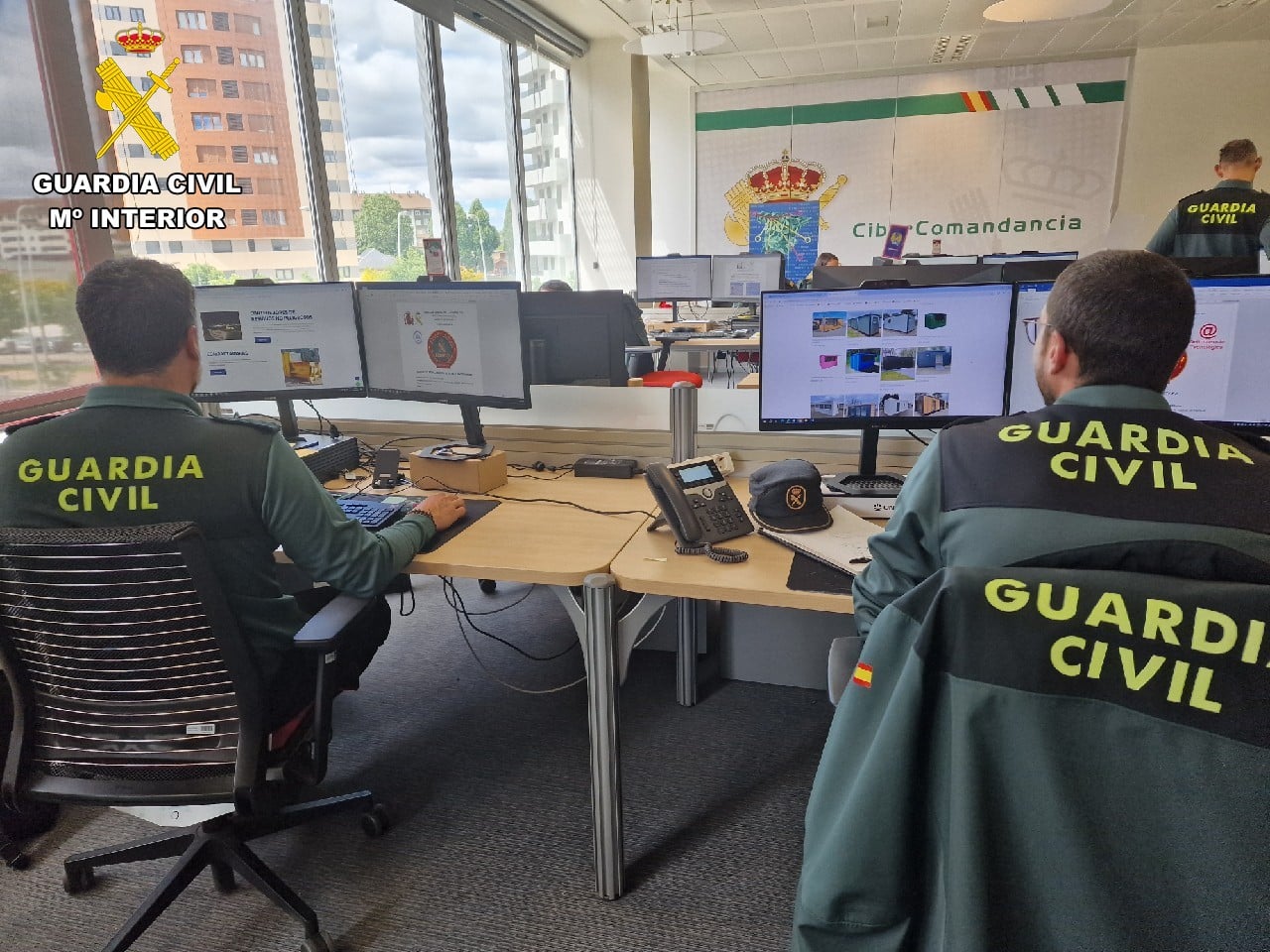
A Murcia resident who claimed that €6,000 had been taken from his accounts on two cryptocurrency platforms is now under investigation after Guardia Civil cybercrime officers concluded that no external hacking had taken place.
The investigation began after the man submitted an online crime report through the Guardia Civil’s electronic headquarters.
He claimed that several unauthorised transactions, totalling €6,000, had been processed through two cryptocurrency exchanges without his knowledge or consent.
According to his account, an unknown third party had illegally accessed his profiles and carried out the transactions.
Officers from the Guardia Civil’s Cyber Command initially examined the case as a potential online fraud. Investigators sought to establish where the transactions had originated and whether either of the cryptocurrency accounts had been compromised.
However, discrepancies soon emerged between the information provided by the complainant and the records supplied by the two platforms.
Officers also discovered that one of the accounts used to conduct the transactions was registered in the complainant’s own name.
Device Records Undermine Hacking Claim
The case was referred to the Murcia courts, which authorised investigators to obtain detailed technical information concerning access to the accounts and the disputed transactions.
Cybercrime specialists examined login records, session identifiers, authentication procedures, devices used and other information connected to the movement of the cryptocurrency.
The analysis reportedly linked the suspicious activity to the device normally used by the complainant himself.
Investigators found no technical evidence that an unknown person had broken into the accounts or bypassed their security systems.
The Internet Protocol addresses used during the transactions were also examined. Part of the activity was traced to an internet connection associated with someone known to the complainant.
According to the Guardia Civil, the transactions were completed using the correct identification and authentication procedures. Officers found no indication that an external attacker had gained illegal access to either account.
The evidence therefore contradicted the original claim that the money had been taken by unidentified cybercriminals.
Investigators ultimately concluded that the reported circumstances did not amount to an offence committed by a third party and classified the case as an alleged simulation of a crime.
The police files have now been submitted to the appropriate judicial authority in Murcia.
Online Crime Reporting Available Around the Clock
The Guardia Civil said the case demonstrated how technical data can be used to establish what happened during allegedly fraudulent online transactions.
Its recently created Cyber Command is intended to strengthen the force’s response to digital crime and make it easier for members of the public to report certain offences remotely.
The Guardia Civil’s electronic headquarters provides a secure reporting service that operates 24 hours a day.
Online applications can be submitted for suspected computer fraud and unauthorised charges, criminal damage, theft, vehicle theft, thefts from vehicles and the loss or recovery of official documents.
However, anyone making a report is required to provide accurate information. Knowingly inventing an offence or making false allegations can itself lead to criminal proceedings.