Plans for a new municipal bus station in Torrevieja are unlikely to become a reality before 2028, leaving the city dependent on its ageing and increasingly inadequate private terminal on Avenida de las Habaneras.
The City Council intends to construct the new transport hub on approximately 40,000 square metres of land at Enclave 13, between the CV-905, Avenida Rosa Mazón and Calle Juan Valera. However, the necessary planning procedures remain at such an early stage that construction cannot begin during the current council term.
The project was announced in December 2024, when the council started preparing a specific amendment to Torrevieja’s General Urban Development Plan. The change is needed to determine how the land will be used, what infrastructure must be provided and how vehicles will access the site.
A traffic study must also be completed before the development can progress. Although most of the land is municipally owned, some plots remain in private hands, further complicating the planning process.
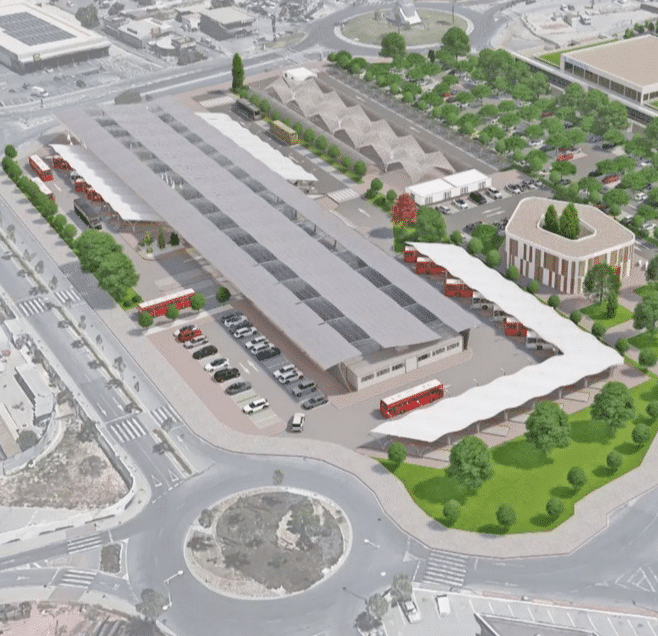
The council eventually hopes to award a private concession under which the successful company would finance and build the station alongside commercial premises. The site would also accommodate garages and workshops for urban transport operator Avanza, a Civil Protection headquarters, parking and other facilities.
Avanza is expected to relocate its existing depot from Avenida Delfina Viudes, opposite the Pueblo Bravo residential area. However, the wider transport complex currently remains little more than a proposal on paper.
Torrevieja acquired much of the Enclave 13 land through an expropriation process completed in 2012, following years of legal proceedings. The operation cost the municipal authority approximately €5.2 million.
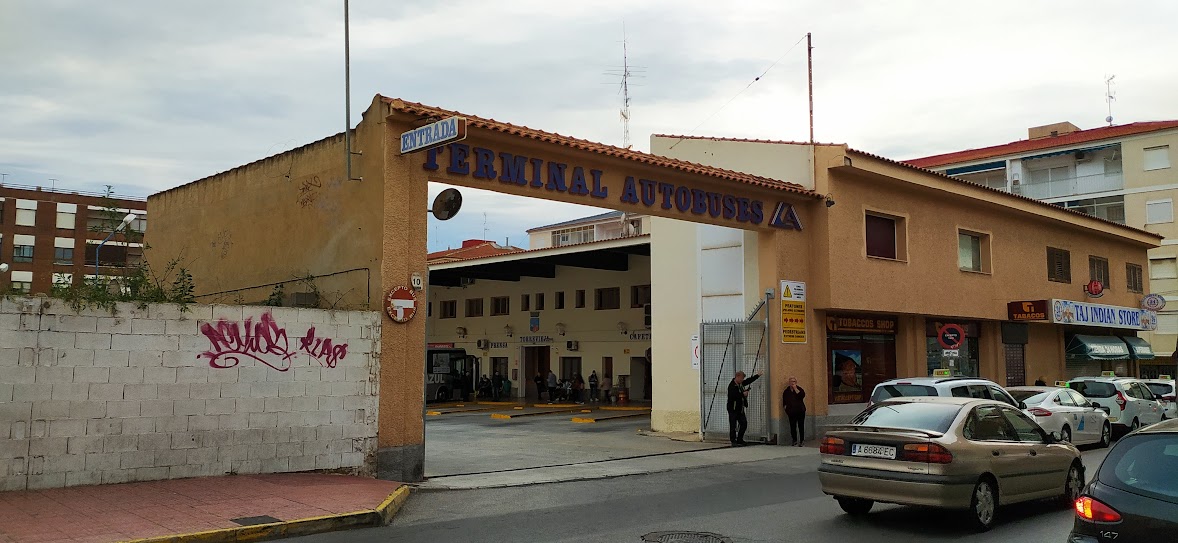
While the new station remains delayed, thousands of residents and visitors must continue using the privately owned terminal on Avenida de las Habaneras. Built during the late 1980s, the facility has long been criticised for its poor condition, limited capacity and inadequate passenger information.
During busy periods, passengers face crowded platforms and must often ask drivers where their buses depart because of insufficient signage. Access through the main entrance is also restricted by tables and chairs belonging to the station café, creating accessibility difficulties and raising questions about emergency evacuation.
Outdated signs belonging to former operator Costa Azul remain displayed almost a decade after it ceased running services. Despite having security, shops, a café and a busy taxi rank, the terminal’s overall appearance falls well below the standard expected of a leading tourist destination.
The station nevertheless remains a vital transport hub. Services connect Torrevieja with Alicante-Elche Airport, Alicante, Murcia, Cartagena and municipalities across the Vega Baja. Long-distance coaches also operate to Madrid, Castile, La Rioja, Navarre, Cantabria and the Basque Country.
Relocating the terminal to Enclave 13 would remove substantial bus traffic from the busy town centre and place services beside one of Torrevieja’s principal road entrances.
The future of the existing 3,800-square-metre station site also remains unresolved. The council wants to purchase the privately owned land, valued at more than €4.5 million, demolish the terminal and create a green area linked to the San Esteban neighbourhood.
Until the planning amendment, development work and concession process are completed, however, Torrevieja’s outdated 1980s terminal will remain the city’s only bus station.