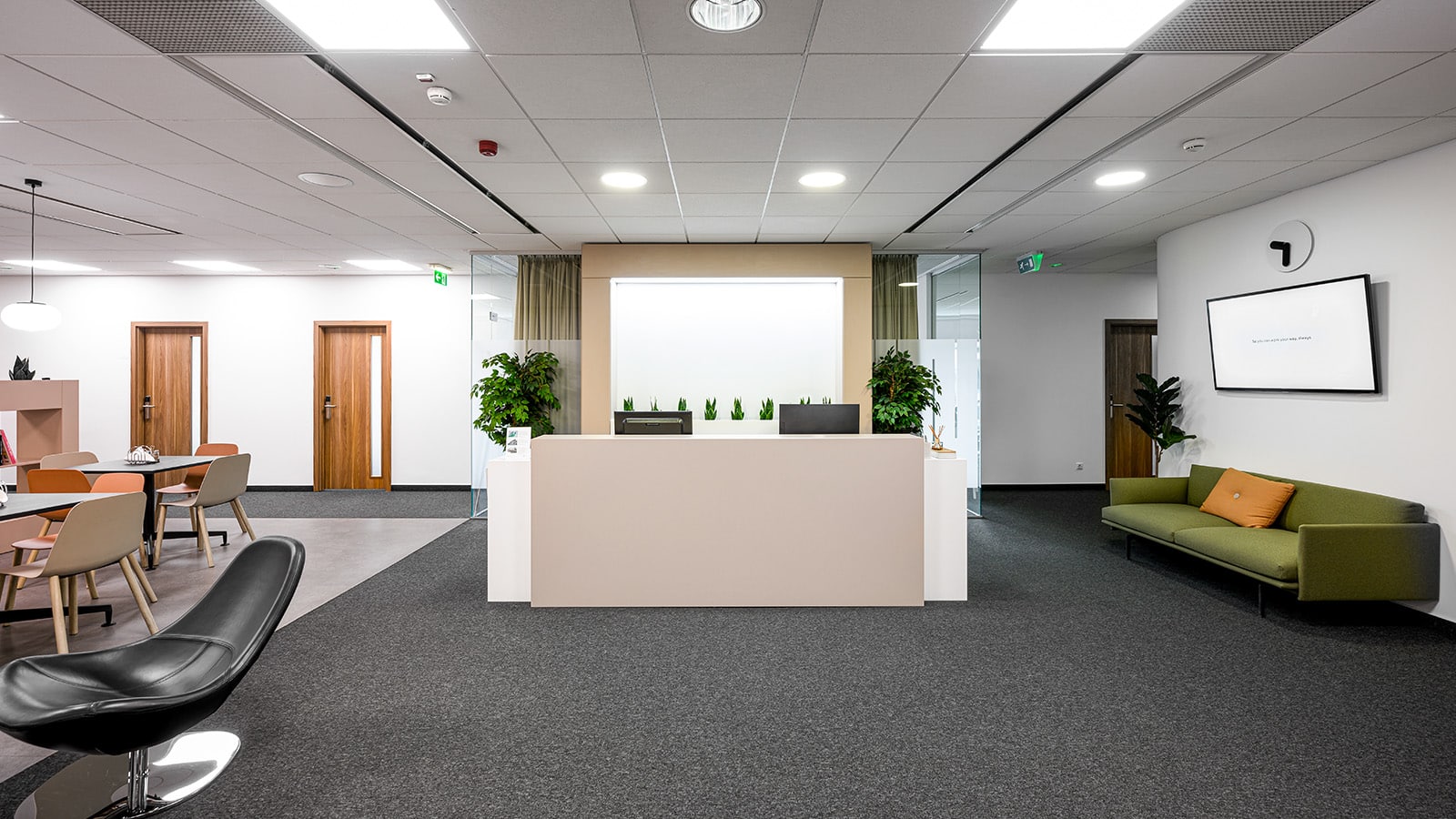
The modern office market is changing rapidly as businesses seek greater flexibility, faster occupancy, and more efficient use of resources. Traditional office leasing models, which often require lengthy fit-outs and complex setup processes, are increasingly being complemented by more agile alternatives. Among these, turnkey office solutions have emerged as a practical response to evolving workplace needs.
What are turnkey office solutions?
Turnkey office solutions refer to ready-to-use workspaces that enable businesses to begin operations with minimal preparation time. Instead of managing interior construction, technical installations, and workplace setup independently, companies can move into spaces that are already operational or require only limited customization. This model is becoming increasingly attractive for organizations facing rapidly changing requirements.
Startups, project-based teams, international companies establishing local branches, and businesses transitioning to hybrid work arrangements often prioritize speed and flexibility when selecting office space. However, the concept extends beyond immediate occupancy. Modern turnkey offices frequently include scalable layouts, shared facilities, advanced technical infrastructure, and access to employee-focused services.
Office buildings such as the West End Business Center illustrate how this concept is being integrated into contemporary work environments. By combining adaptable office layouts with modern infrastructure and sustainability-focused operations, such office centres reflect the broader transformation taking place across the sector.
Flexibility as a business advantage
One of the key drivers behind the rise of turnkey office solutions is adaptability. Business needs rarely remain static, and office environments must increasingly support growth, restructuring, and evolving work patterns.
Flexible layouts allow companies to create spaces aligned with their operational models – whether open-plan offices, collaborative zones, private meeting rooms, or hybrid work environments. This adaptability reduces the need for costly relocations or major redesign projects as organizations evolve. WEBC is one example of how office environments can support this flexibility. The building’s configuration and workspace options demonstrate how adaptable office concepts can accommodate different tenant requirements while maintaining long-term usability. For businesses, this flexibility has become more than a convenience – it is now an important element of resilience and future planning.
Sustainability and turnkey offices
Environmental considerations are also playing a growing role in office decisions. Companies increasingly evaluate workplaces not only by location and cost, but also by sustainability performance and alignment with ESG objectives.
Modern turnkey office environments often incorporate energy-efficient systems, sustainable commuting infrastructure, and resource-conscious operations. These measures help reduce environmental impact while also improving operational efficiency. Features such as electric vehicle charging, bicycle facilities, waste management systems, and efficient building technologies are becoming standard expectations rather than optional additions.
Buildings such as WEBC highlight this shift through sustainability-focused operations and internationally recognized environmental certifications. This reflects a broader trend across the office market, where environmental performance is increasingly integrated into workplace strategy.
Employee experience in modern office design
Another factor shaping turnkey office demand is the growing focus on employee wellbeing. Workplaces today are expected to support not only productivity but also comfort, collaboration, and engagement. Access to natural light, communal areas, green spaces, and convenient amenities contributes significantly to the overall employee experience.
Ready-to-use offices increasingly include features that improve daily workplace quality, helping organizations attract and retain talent in competitive labour markets. This people-centred approach aligns with the changing role of the office itself. Rather than functioning solely as operational space, workplaces are increasingly viewed as environments that influence culture, creativity, and employee satisfaction.
The long-term value of turnkey solutions
As office strategies continue to evolve, turnkey solutions are likely to play an increasingly important role in workplace planning. Their combination of flexibility, efficiency, and sustainability aligns closely with current business priorities.
Organizations are looking for office environments that support growth while minimizing operational complexity. Turnkey offices address these expectations by enabling faster occupancy and providing adaptable spaces capable of responding to future change.
Examples like WEBC demonstrate how office developments are adapting to these demands through flexible workspace concepts, sustainability initiatives, and modern infrastructure. As the workplace continues to transform, turnkey office solutions are expected to remain a central element of the future office landscape.