
Across Spain, District Boards (Juntas de Distrito) serve as a vital mechanism for promoting local democracy, decentralizing municipal services, and ensuring that residents have a say in the decisions that affect their daily lives. Their purpose is to bring government closer to the people, especially in large or geographically diverse municipalities where centralised governance can become disconnected from neighbourhood realities.
The Purpose of District Boards
District boards are designed to improve the efficiency, responsiveness, and inclusiveness of local governance. Their key functions include:
- Decentralization of Power
By dividing a municipality into smaller administrative areas, district boards ensure that local issues receive dedicated attention. This structure allows residents of each district to influence decisions specific to their area, something especially important in municipalities like Orihuela, where the needs of the coastal area often differ from those of the historic town centre. - Citizen Participation
District boards are not just bureaucratic structures, they are platforms for active civic engagement. Through public consultations, meetings, and direct communication with elected board members, the public can voice their concerns and shape policies that impact their community. - Management of Local Services
In many municipalities, district boards oversee:- Maintenance of public parks and spaces
- Cultural and sports facilities
- Local social services
- School support initiatives
- Local inspections and permits
This delegation enables the central council to focus on broader city-wide policies while allowing the districts to manage daily, ground-level issues more effectively.
- Local Representation
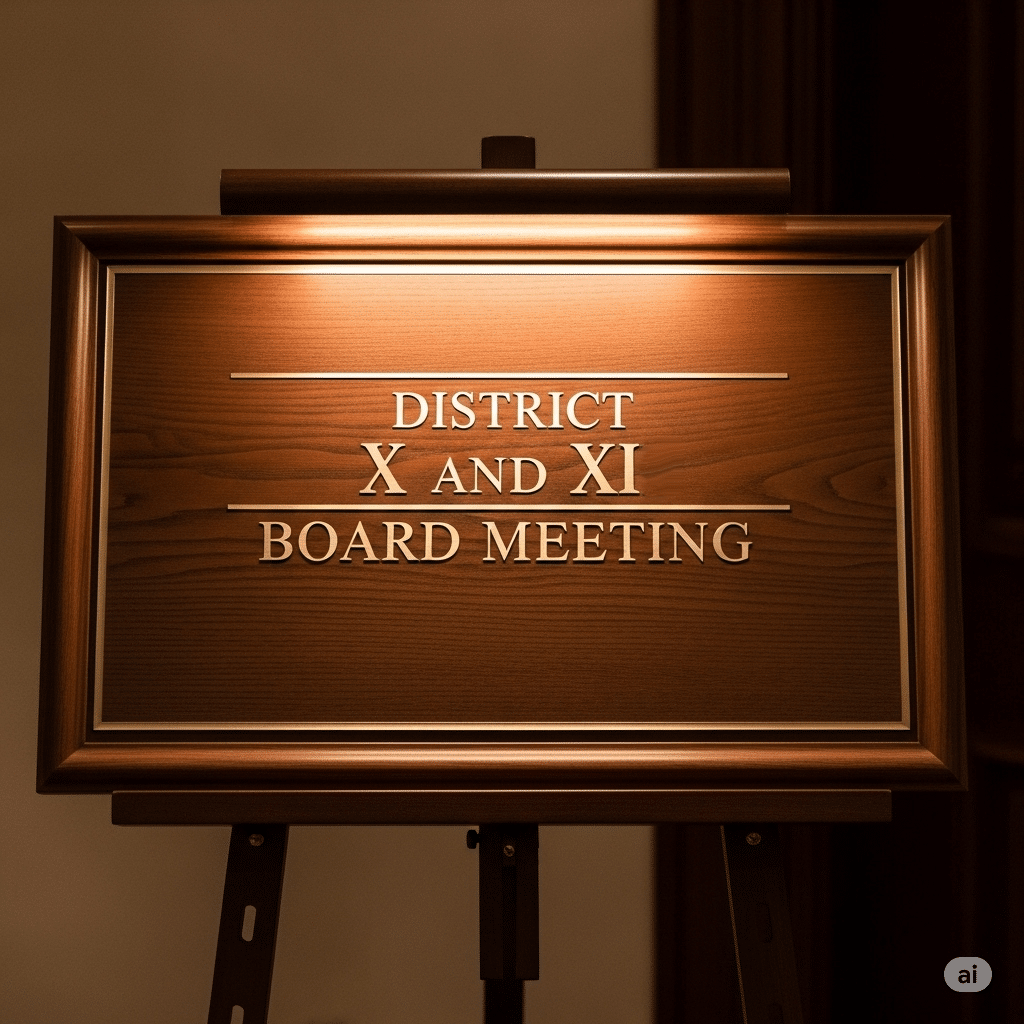
Boards are composed of elected or appointed members who represent the unique interests of their district. In Orihuela Costa, specifically Districts 10 and 11, residents have historically felt underrepresented, which makes the role of these boards even more critical to ensuring that coastal voices are heard. - Budgetary Autonomy
In many parts of Spain, district boards are granted partial control over their own budgets. This financial autonomy enables them to prioritize projects, events, or services that matter most to local residents, promoting a more tailored and responsive governance model.
Orihuela’s Missed Opportunities and Recent Developments
Despite the clear benefits of this system, Orihuela has struggled to implement its district boards effectively. For three years, the boards were inactive, leaving residents without a formal mechanism to advocate for their local needs. This changed in late 2023, when the boards were re-established following the local elections.
Their return marked a crucial step toward restoring community representation and local accountability, particularly for Orihuela Costa, where residents have long called for better services and infrastructure.
However, instead of supporting this democratic process, certain groups have chosen to politicise it.
Concerns Regarding Recent PIOC-Led Protests
Recent demonstrations organised by PIOC have taken place outside the Town Hall and also within official district board meetings. While the right to peaceful protest is a fundamental democratic principle, it is important that such actions do not impede the proper functioning of elected bodies.
The district boards exist to foster cooperation, ensure effective representation, and advance community interests. It is imperative that all parties engage in constructive dialogue and adhere to democratic norms to uphold the integrity and objectives of these institutions.
Final Thoughts
District boards exist to empower communities, not divide them. Their revival in Orihuela should be an opportunity for unity, local development, and democratic participation, not political grandstanding. For the boards to succeed, all actors must respect the process, work collaboratively, and prioritise the needs of the people over personal or partisan agendas.
Orihuela has a chance to fully embrace the spirit of local democracy. Let’s not waste it on division.