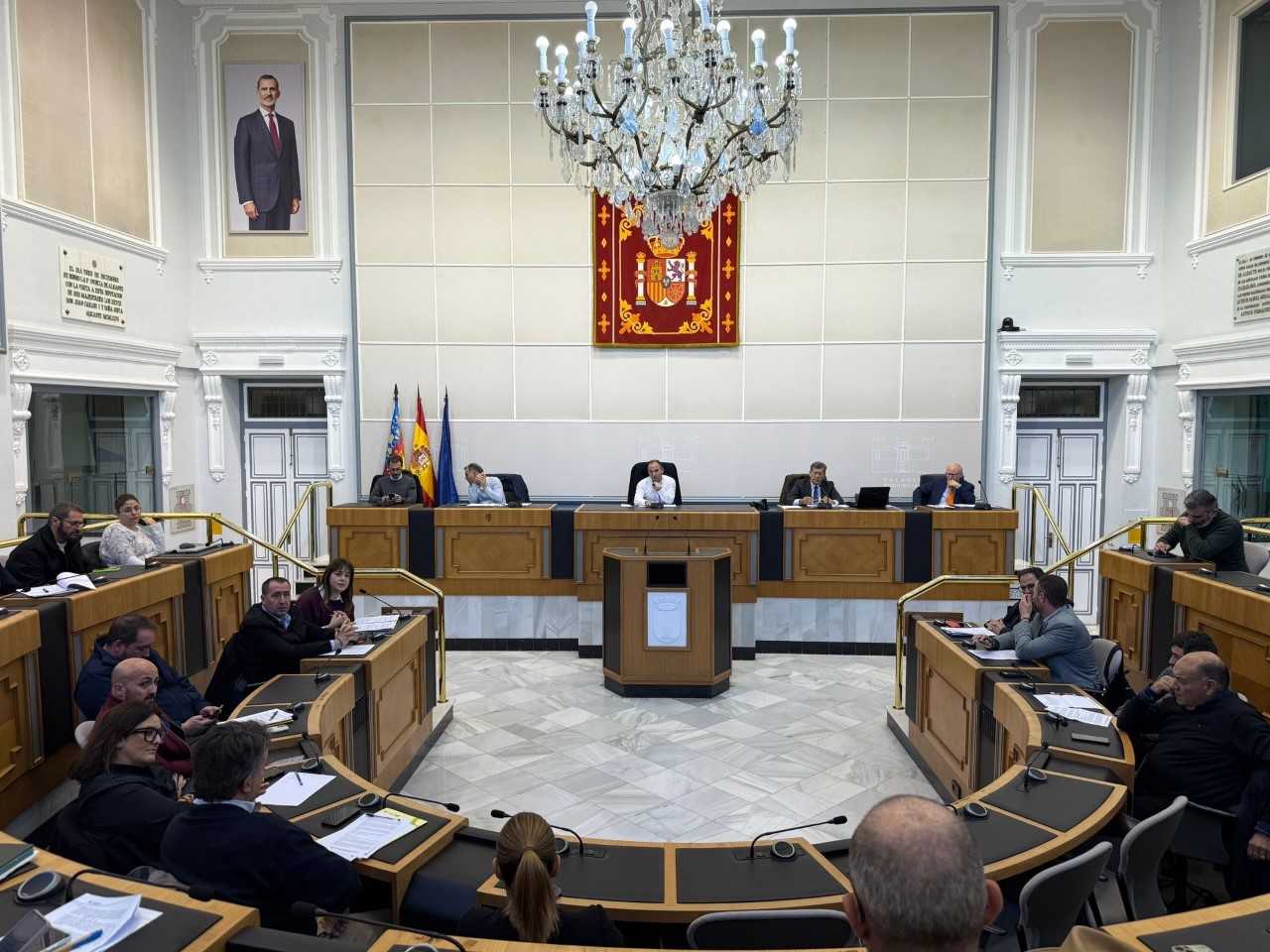
A study looking at different possible locations for a new mechanical-biological waste treatment plant in the Vega Baja region has concluded that Fuente Amarga, in the municipality of Orihuela, is the best option.
The study was presented by the Vega Baja Sostenible joint venture to the Vega Baja Sostenible Consortium after comparing up to ten different sites. Two well-known and independent engineering firms, IDOM and Vielca, took part in the work. Both agreed that Fuente Amarga best meets the technical, environmental, and social criteria, using Geographic Information Systems (GIS).
The report explains that Fuente Amarga was chosen because it is:
- More than 8 kilometres from the nearest town
- Not near underground water or water infrastructure
- Not in forest land
- Located on land that can be developed, which reduces environmental impact
Flood-risk areas and protected natural zones were ruled out.
However, the decision has caused controversy. Several environmental groups oppose building the plant in Fuente Amarga and are calling for other locations with less impact on the land.
The Orihuela City Council also did not support this option and suggested an alternative site near Jacarilla. This proposal was studied along with the others but was rejected by technicians based on the agreed evaluation criteria.
The report also studied how the plant could affect nearby communities, including an analysis of heavy vehicle traffic, to reduce disruption and ensure the plant fits well into its surroundings. Reports, proposals, and objections from all the municipalities in the Consortium were considered.
The new waste treatment plant is seen as urgently needed for the 27 municipalities of the Vega Baja. At present, the Consortium is the only one in Alicante province without its own waste treatment plant, which means waste must be transported long distances. This increases both costs and pollution.
The president of the Consortium, Francisco Cano, said it is time for local leaders to support the project. He explained that the plant will be modern, highly industrialised, and cause very little disturbance, while solving serious waste management problems in the region.
The future plant will sort and prepare household waste for recycling. It will also treat organic waste collected separately, pruning waste, and bulky items. The project does not include a landfill or an incinerator.