
Accessible transportation solutions are vital in creating an inclusive society. Individuals with movement challenges face significant obstacles that affect their everyday lives. Imagine the frustration of being unable to visit a friend or attend an important appointment due to transportation hurdles. It’s about dignity, equality, and fundamental freedom of movement. Addressing these barriers is crucial for fostering a society where everyone can thrive.
The Impact of Inaccessible Transportation
Transportation systems not designed to accommodate those with movement challenges drastically limit independence. The absence of accessible public transportation, such as wheelchair friendly buses and trains, can lead to wider inequality. Beyond missing out on social events, it can mean losing access to critical healthcare, education, or job opportunities.
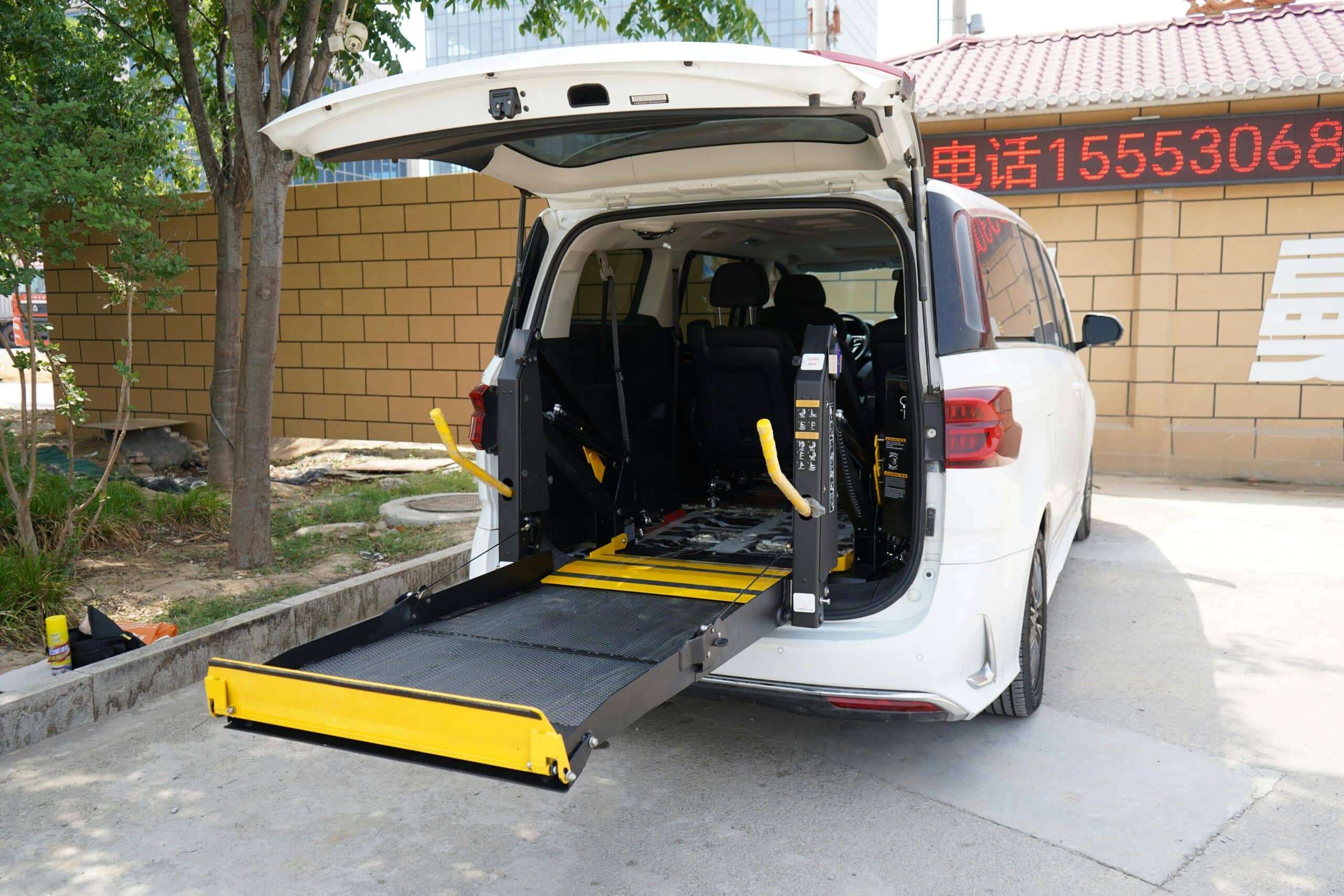
Adapted vehicles designed specifically for those who require them are essential in bridging this gap. They allow individuals to travel freely without relying on others, promoting an active lifestyle. Wheelchair accessible vehicles are at the forefront of providing solutions that enable everyone to travel with ease and dignity. These vehicles help foster independence and ensure mobility is a right, not a privilege.
The effects of inaccessible transportation extend beyond personal freedom. It impacts societal participation and can increase isolation, leading to mental health challenges. By addressing these issues, communities can become more dynamic, allowing diverse contributions from all members.
Innovations in Accessible Transportation
Technological advancements have led to exciting innovations in accessible transportation. Innovations range from retrofitting vehicles with ramps and lifts to crafting vehicles specifically designed for accessibility. Beyond mechanical enhancements, modifications to public transportation systems are crucial. Features such as audio announcements, clearer signage, and staff training significantly improve the travel experience.
Mobile apps offering real-time updates on accessible routes empower users to plan journeys effectively. These technological advancements are crucial steps to ensuring transportation systems meet diverse needs. They reflect a commitment to inclusivity and ease of access, making significant strides toward a more equitable society.
The advent of autonomous vehicles also promises to revolutionise accessibility. By eliminating the need for a driver, these vehicles could offer greater independence to people with mobility challenges. Integrating smart city infrastructure further enhances these possibilities, making real-time data accessible to improve travel planning and reduce unexpected barriers.
Legislative Support and Advocacy
The development of accessible transportation solutions relies heavily on robust legislative frameworks and advocacy. Governments play a vital role in establishing policies that enforce accessibility standards. By mandating infrastructure changes and allocating funds, they can expedite improvements to transit options.
Advocacy groups are essential in representing and addressing the needs of those with movement challenges. By collaborating with policymakers, these groups ensure that changes accurately reflect community needs. This collaboration makes accessibility a core consideration in urban planning and design, promoting inclusivity from the ground up.
Legislation such as the Equality Act reduces discrimination, fostering a more inclusive environment. However, ongoing advocacy is crucial to keeping accessibility at the forefront of political agendas, pushing for continuous improvement and adaptation to emerging needs and technologies.
The Role of Community and Business Initiatives
Community and business initiatives play a critical role in bridging the accessibility gap. Local businesses can significantly impact by adopting inclusive practices and prioritising accessibility in their services. This can include providing accessible taxis or creating marketing campaigns that highlight accessibility issues.
Companies investing in employee training to understand and assist the needs of those with movement challenges cultivate a more inclusive environment. These initiatives enhance services and demonstrate social responsibility. By integrating accessibility into business strategies, companies promote a more equitable environment, fostering trust and reputation.
Community-driven projects, such as volunteer transport services, can fill gaps where public services fall short. These initiatives empower communities to support their members actively, fostering inclusivity and solidarity. The partnership between businesses, communities, and advocacy groups can drive significant change, ensuring accessibility becomes a shared responsibility and a celebrated norm.
Photo by Pexels


