
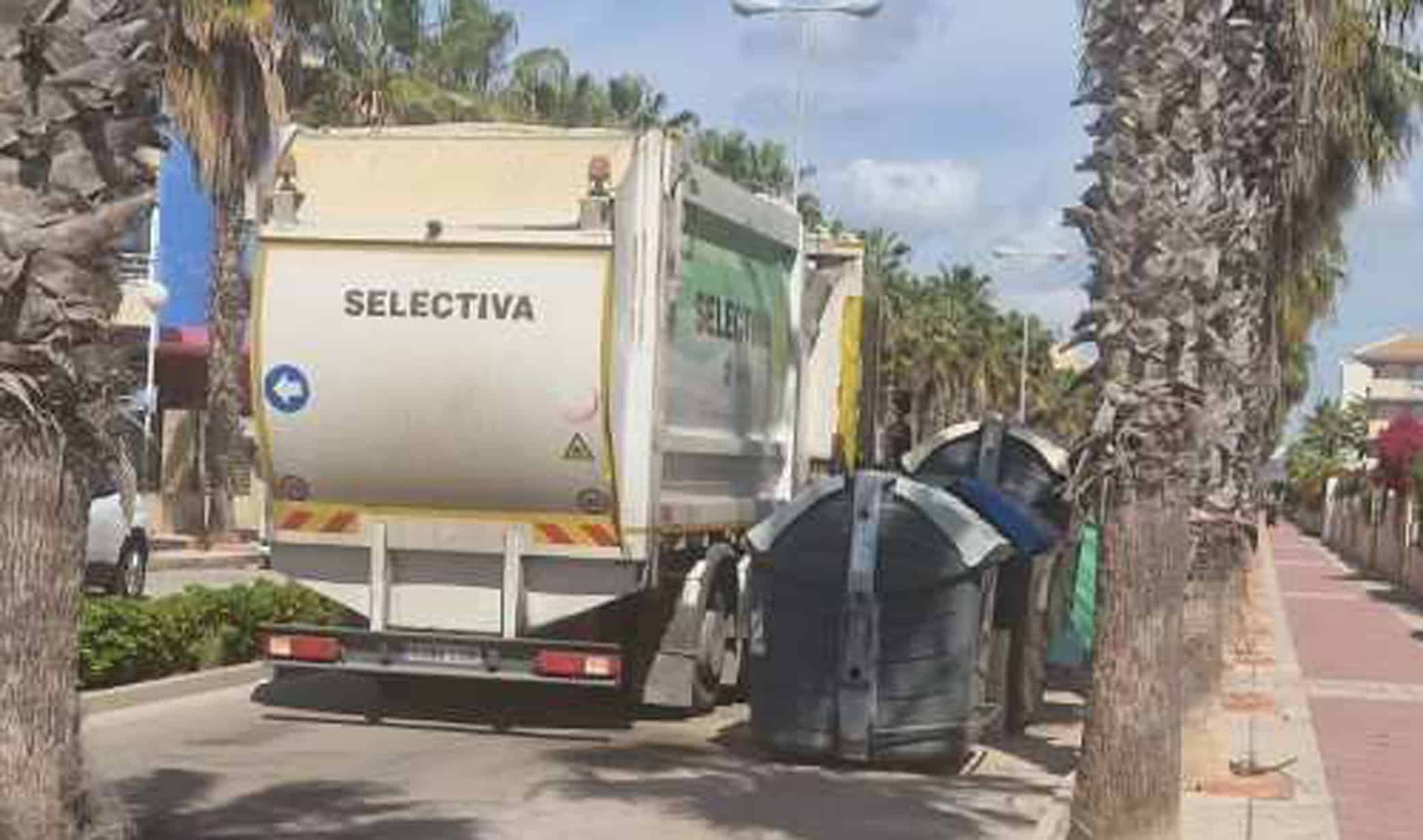
In recent days, Orihuela residents have received their municipal bills for garbage collection and treatment (RSU), and many are still wondering why this tax has increased so much.
According to former Orihuela Councillor and Spain MP, Juan Ignacio López-Bas Valero, the reason lies in Spain’s Law 7/2022, which aimed to improve waste management and required municipalities to finance their garbage services sustainably by April 2025. Most cities, including Orihuela, had been underfunding this service for years—only allocating around €7 million annually when the real cost is about €19 million.
To comply with the law, the city had to raise the RSU tax to fully fund the service. This means residents now pay about €202 per household, up from €70, without regard to how many people live in each home or how often it’s used. This undermines the “polluter pays” principle, as the tax is applied per property, not per user.
Politically, the increase was prepared by the local PP and Vox government, although Vox later voted against it in the full council—after initially supporting it in committee—possibly to blame the PSOE for its approval. PSOE voted yes, claiming they secured discounts for lower-income residents, though these apply to very few people. Since the law prohibits deficits in this tax, any unpaid portion will be covered by other residents.
The real issue? While this tax hike adds €12 million in revenue, no other taxes like the IBI (property tax) have been lowered to balance things out. So overall, citizens are paying more, not just for trash services, but to cover other city spending (advisors, political positions, etc.) that politicians had promised to eliminate.
The “trick” is this: they claim the service needed better funding, which is true, but they don’t reduce other taxes to compensate. So, it’s not just about funding waste management—it’s also about collecting more money without easing the overall tax burden.


