
We sat down with Emily Katherine Dawson, a prominent expert in technological ethics, to discuss the role that artificial intelligence education will have shortly. Dawson showcased her firm belief that without a comprehensive educational framework, society could struggle to keep up with the rapidly evolving digital landscape.
Technicalities Are Not The Only Thing
In the interview, Dawson explained her perspective on AI education by stating that technicalities are not enough. According to her, society needs to understand the moral implications of technological progress, such as generative artificial intelligence. “I’ve observed that many educational institutions are only beginning to scratch the surface of the challenges presented by AI”, she declared.
During the interview, she pointed out that her research indicates that a more profound and well-rounded curriculum could lead to better decision-making and a more ethically aware society.
“We have to ask the educators to integrate discussions on data privacy, algorithmic bias, and digital responsibility into their syllabi”, she mentioned. Furthermore, she thinks that students should be prepared to confront and navigate the complex issues of modern technology.
Cultivating a balanced perspective, where technical skills are harmonized with ethical reasoning, will be key in the next few years, something Dawson has emphasized in her research.
Dawson has something to say about interdisciplinary collaboration in AI education. For her, this is important: computer scientists, ethicists, sociologists, and educators should work hand in hand to create an environment where the benefits of AI can be harnessed while mitigating, as much as they can, the intrinsic risks of this technology.
The expert underlined that such cooperation is vital in bridging the gap between theoretical concepts and real-world applications, something she’s been advocating on her own social media accounts, ensuring the next wave of technology is morally grounded.
The governments and private organizations have to recognize the urgency of this issue, calling for more funding and policy initiatives to support educational reforms in this area.
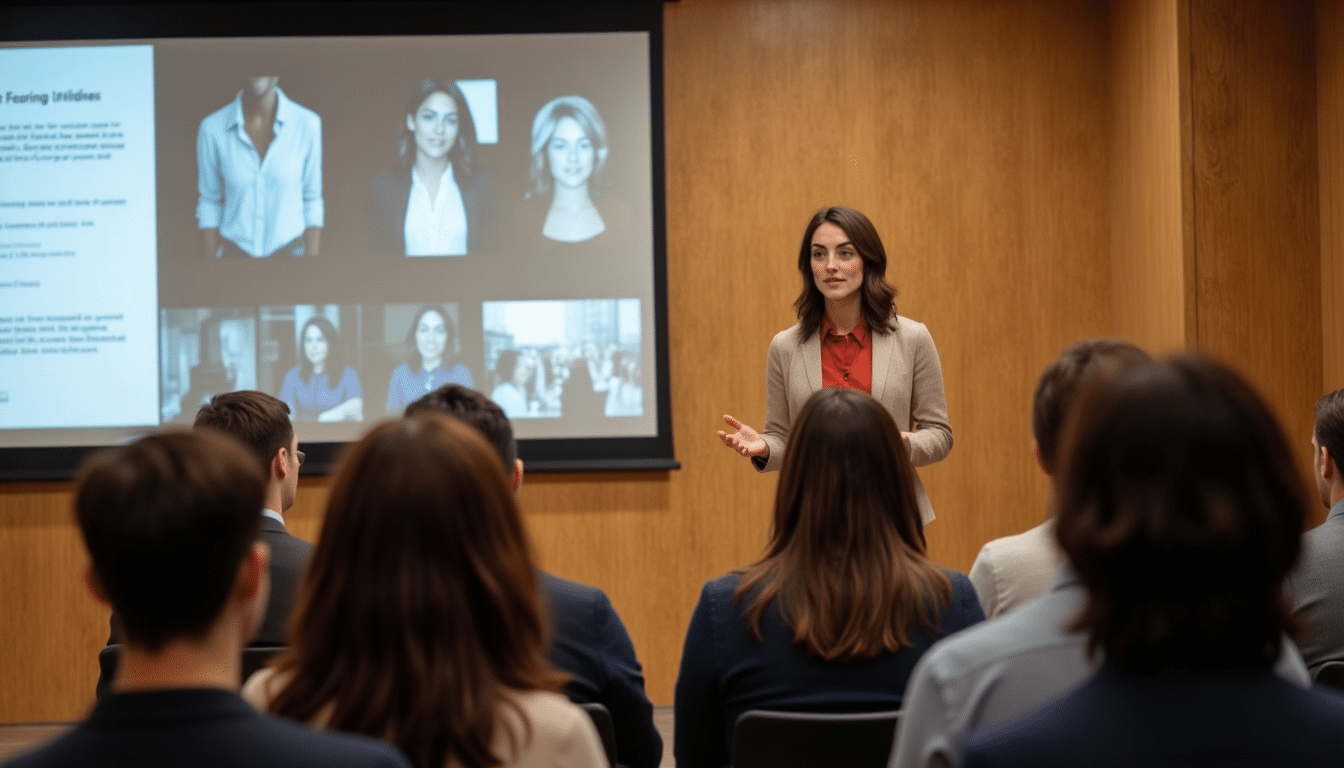
The Digital Age Is Full of Ethical Challenges
Dawson also points out the need to address the broader ethical challenges posed by artificial intelligence. She remarked that technological advancements are bringing unprecedented opportunities, but governments must manage some inherent risks, mostly related to social inequalities.
“The lack of ethical education has led to decisions that compromise privacy and amplify biases. Many stakeholders, including developers and policymakers, often overlook the long-term repercussions of their actions in the rush to innovate”, she mentions. “It’s clear that we have to take a proactive stance, rather than a reactive one, to prevent future ethical dilemmas”, added the expert.
The answer is investing in education that emphasises ethical discernment without putting technical prowess aside.
In the last segment of the conversation with Dawson, she remarks on the need for constant dialogue between all the actors in this scene: educators, industry leaders, and legislators. “I’ve maintained discussions with them, which are crucial for aligning technological advancements with societal values. Ethical education must not be confined to academia, we need to extend it into the workplace and the community for our own well-being”, she mentions.
During his work, Dawson has a detailed plan about how this education should be: practical workshops, public lectures, and interactive forums. “These should help demystify artificial technology and encourage public engagement with its ethical dimensions”, she comments. As technology evolves, so too should the educational strategies that govern its use.
For now, and always according to Dawson, it seems we are not doing enough, but we are on track to do it rather soon.
AI Must be Inclusive
Another talking point for Dawson is the inclusivity of AI literacy. On this issue, the expert holds a similar position: AI education must broaden its scope as much as possible to ensure inclusivity across different social and economic backgrounds.
“If only the privileged few understand how AI works, we will exacerbate existing inequalities,” Dawson warns. She suggests that community outreach programs, digital literacy initiatives from the government and private companies, and open-access resources could bridge the gap for underrepresented groups who may otherwise be left behind.
The technology ethics expert also advocates for more public discourse about AI’s social impact. Engaging local leaders, community organizations, and media outlets in discussions around AI ethics can nurture a culture of shared responsibility.
She notes that public engagement ensures accountability, and if people from diverse backgrounds can voice their concerns and aspirations, the trajectory of AI will become more aligned with the collective good. “Only the collective approach can benefit the individual”, Dawson points out.