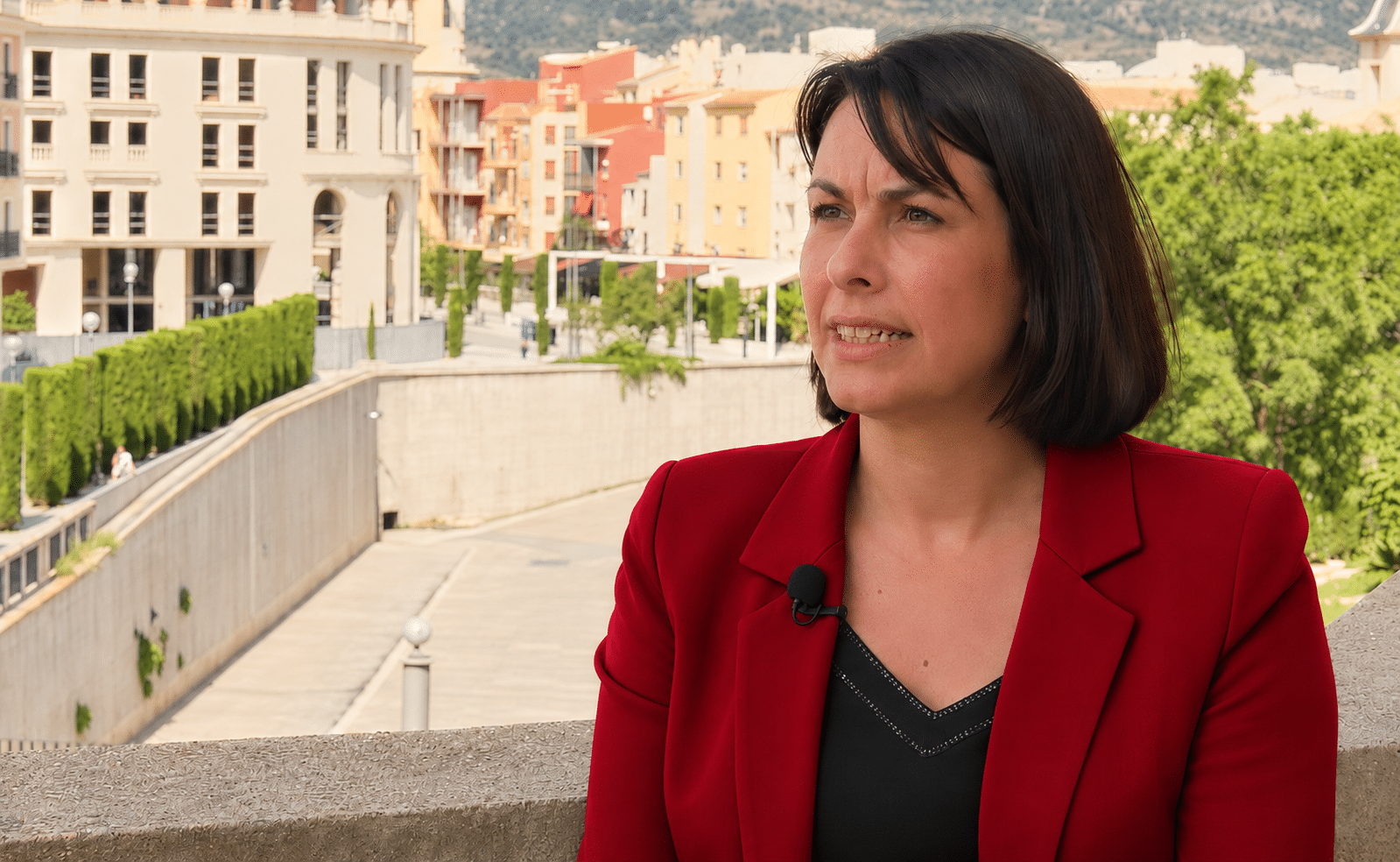
Former Orihuela mayor and current PSOE opposition spokesperson Carolina Gracia is due to appear in court on Thursday, November 5, as a suspect in an investigation into the alleged unlawful disclosure of confidential information concerning a senior council official.
Gracia has been summoned to appear at 11am before Orihuela’s Court of First Instance and Investigation No. 3, at the Palace of Justice in Plaza Santa Lucía, following a complaint involving the publication of personal and professional information in a Socialist Party press release.
The hearing follows an earlier appearance in July that was postponed because of a procedural error. Gracia subsequently challenged the proceedings, seeking their suspension or dismissal, but the judicial investigation has continued.
The case centres on information obtained from a municipal employment compatibility application submitted by senior council official Adrián Ballester, a career civil servant temporarily assigned to Orihuela City Council.
Ballester had requested permission to combine his council responsibilities with a second position as an associate professor at a public university in Alicante province.
According to the prosecution, Gracia accessed the relevant municipal records on October 8, 2025, after receiving authorisation from Mayor Pepe Vegara.
Eight days later, on October 16, the PSOE distributed a press release referring to the application and identifying details of the official concerned.
The complainant maintains that although councillors are entitled to examine municipal records when carrying out their oversight responsibilities, they remain legally obliged to protect confidential information.
He alleges that releasing the information to the media breached his privacy rights and damaged his professional reputation.
Ballester also disputes statements made about his employment status and salary, arguing that the press release contained inaccurate information portraying him unfavourably.
Following his complaint, the Public Prosecutor’s Office identified potential grounds for investigating an offence under Article 417 of the Spanish Penal Code, which concerns the unauthorised disclosure of confidential information by public officials.
Depending on the offence established, the legislation provides for penalties potentially including imprisonment of two to four years, financial sanctions and disqualification from public employment or office.
Gracia, however, firmly rejects the allegations.
She maintains that she lawfully consulted a compatibility request, rather than an entire confidential personnel file, as part of her legitimate duties scrutinising council business.
The former mayor insists that she disclosed only the existence and purpose of the application, without unlawfully publishing protected personal information.
She also argues that the PSOE was entitled to question the proposed compatibility arrangement because approval ultimately falls within the responsibilities of the full council.
Thursday’s hearing forms part of the preliminary investigation, during which the judge will assess the evidence and determine whether sufficient grounds exist for further criminal proceedings.
Gracia has not been convicted of any offence, and the investigation does not establish criminal wrongdoing