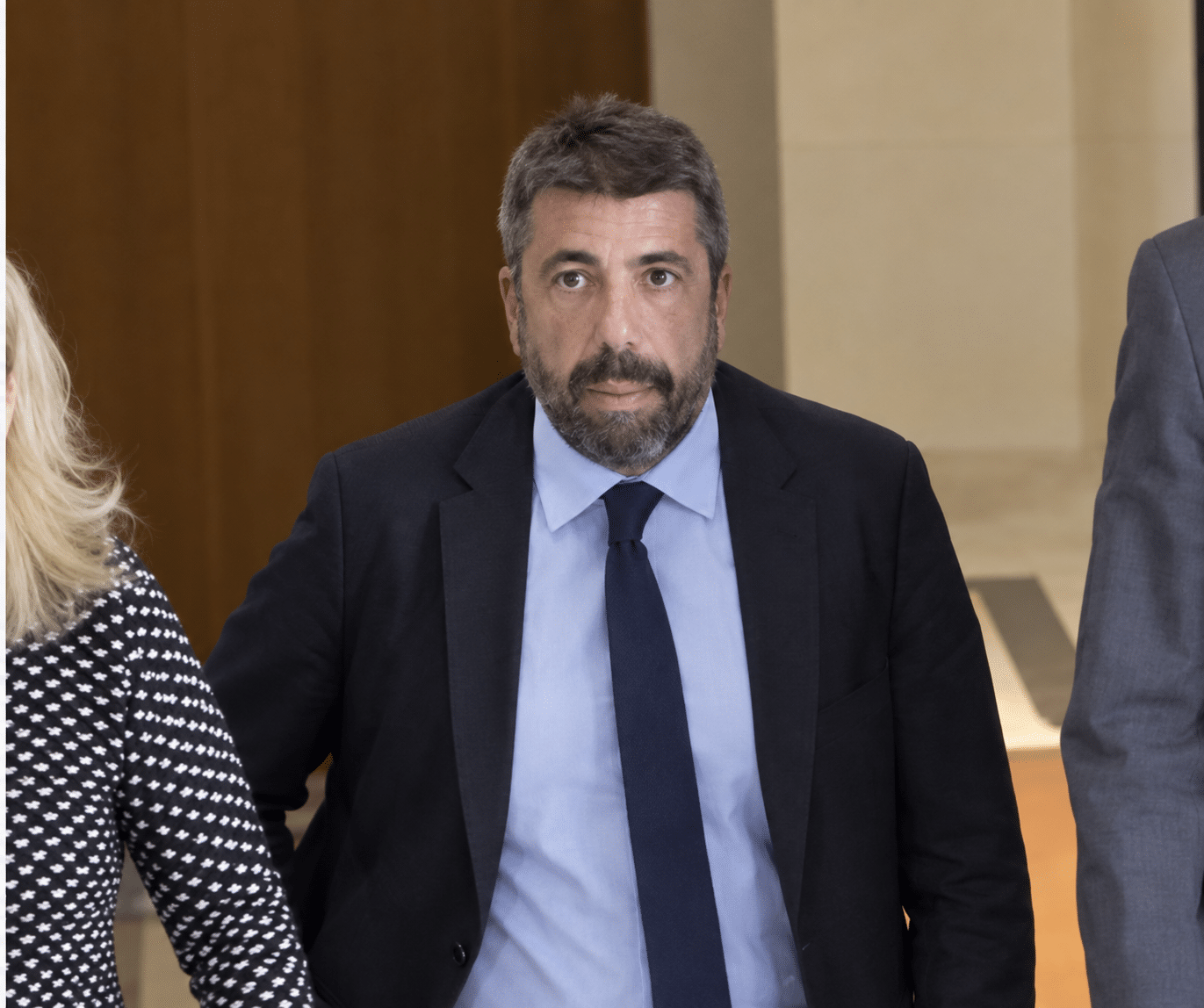
Former Valencian president Carlos Mazón has once again refused to answer key questions about his handling of the catastrophic October 2024 DANA, which claimed 232 lives in Valencia province.
Appearing before a congressional inquiry on Monday, Mazón repeatedly responded with “I’m not going to answer” or referred MPs back to his earlier statement. He also continued to withhold the WhatsApp messages and call records that could help establish what he knew—and when he knew it—on the day of the disaster.
Mazón argued that it would be inappropriate to comment publicly, pointing to a ruling by the Valencian High Court of Justice that found insufficient evidence to open an investigation against him. He maintained that only the courts could determine legal responsibility.
However, the judicial ruling does not answer the broader political questions surrounding his conduct or remove the need for transparency before Congress and the families of those who died.
Investigating judge Nuria Ruiz Tobarra has requested Mazón’s messages from the day of the floods, but his legal team has not handed them over voluntarily. His lawyer, Ignacio Gally, previously said that any decision to provide the messages and call records would depend on their “necessity and usefulness.”
Mazón also declined to say whether he would provide the communications to the parliamentary committee if formally requested.
His latest legal submission reportedly argues that he could not have intervened until after 8pm and that there is no evidence an earlier emergency alert would have saved lives. The judge has suggested that this line of defence could place greater responsibility on former regional minister Salomé Pradas for the delay in issuing the warning.
Throughout the hearing, Mazón accused MPs of relying on errors, fabrications, insinuations, lies and conspiracy theories. Yet his repeated refusal to address substantive questions inevitably raises another: if the messages support his account, why not release them?
The most heated exchange came from ERC spokesman Gabriel Rufián, who said he was voicing questions on behalf of victims. He accused Mazón of gross negligence and used a series of highly inflammatory terms, prompting protests from Popular Party MPs and a call for restraint from the committee chair.
The insults may have distracted from the hearing, but they do not erase its central issue. The families of 232 victims are still entitled to a clear account of Mazón’s movements, communications and decisions during the most devastating hours of the disaster.
Court rulings may determine criminal liability, but political accountability requires answers. So far, Mazón has offered very few.