Britain’s water industry is turning to Spain for expertise as it prepares to develop the UK’s first major seawater desalination plants designed for continuous operation.
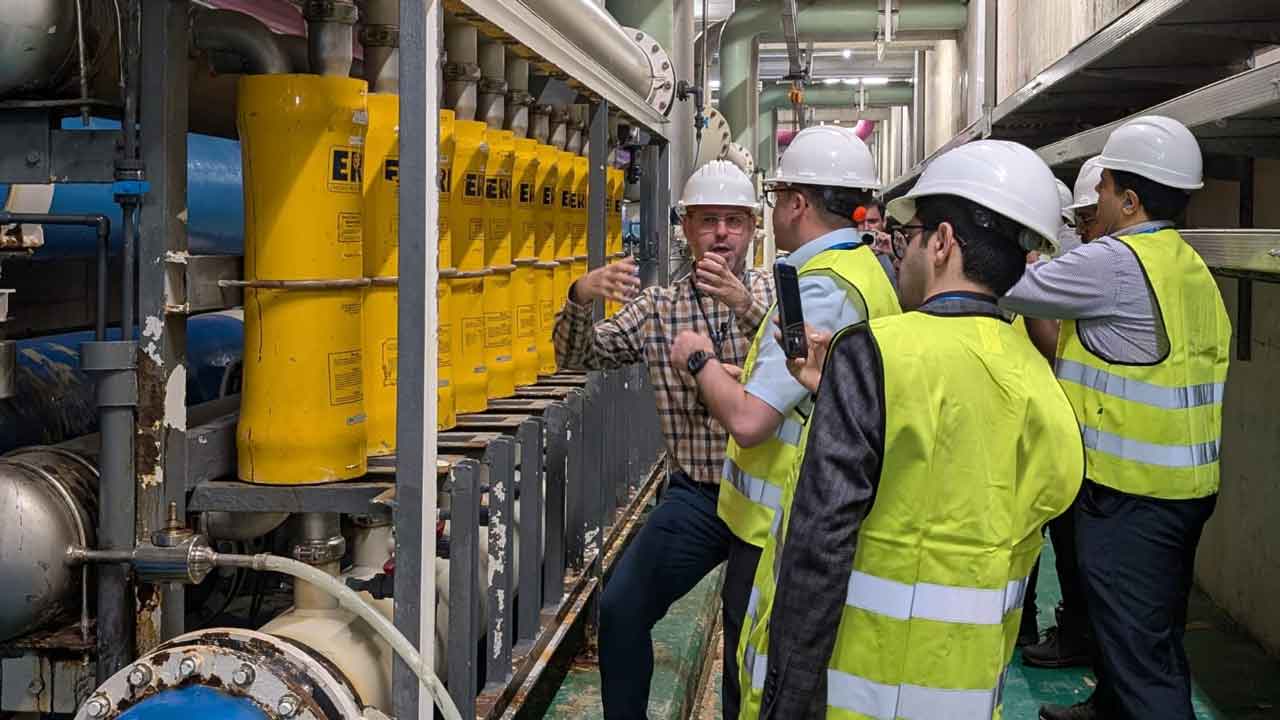
Representatives from Anglian Water, Cranfield University and the Regulators’ Alliance for Progressing Infrastructure Development (RAPID) recently visited Spanish facilities to examine desalination technology and discuss its environmental, technical and regulatory implications.
Spain is Europe’s largest producer of desalinated water and ranks fourth worldwide. Its hundreds of plants collectively produce around five billion litres daily for domestic, agricultural and industrial use.
The visit, organised by the Water Research Centre, included tours of desalination plants in Alicante and Torrevieja.
Alicante’s facility supplies approximately 122.5 million litres daily to residents, tourists and businesses along Spain’s south-eastern Mediterranean coast. Delegates also visited Torrevieja, home to Europe’s largest desalination plant.
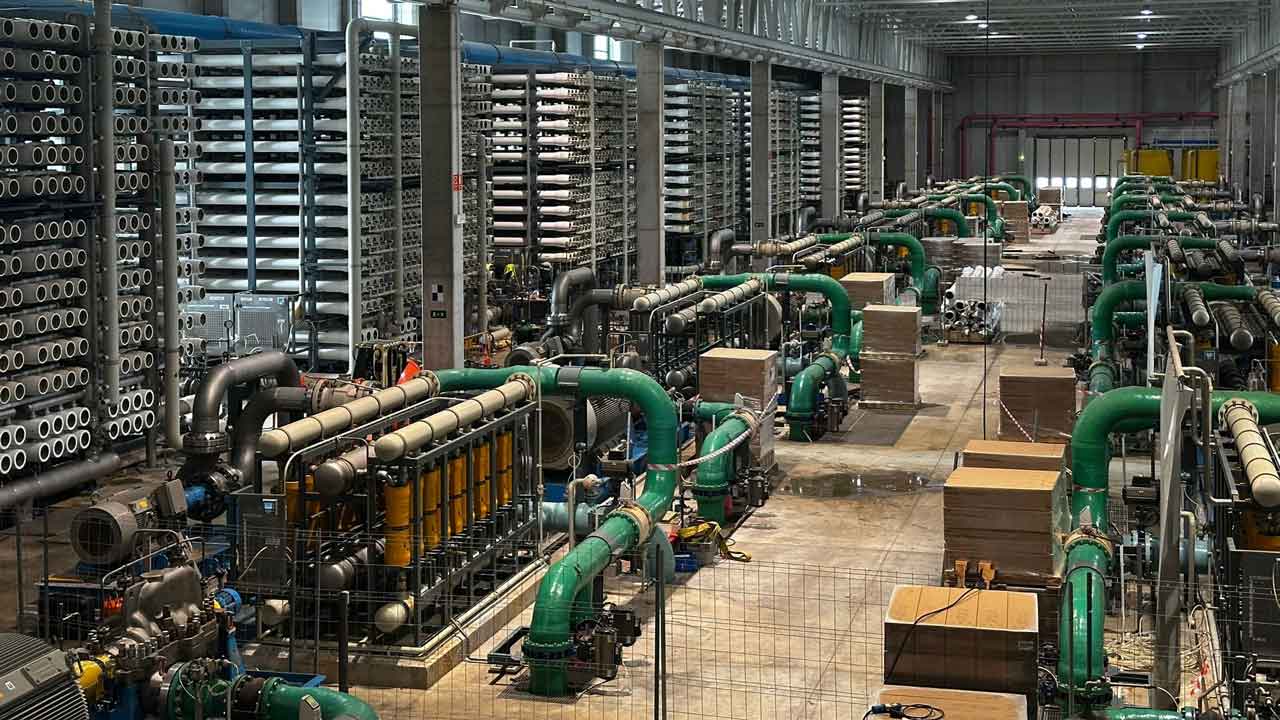
The Torrevieja facility can produce up to 240 million litres per day, supplying water for as many as 1.6 million people in the Vega Baja. It incorporates advanced technology, including high-efficiency energy-recovery systems designed to reduce the substantial electricity demands associated with desalination.
Meetings were also held at the University of Alicante and Spain’s Ministry for the Ecological Transition in Madrid. British delegates exchanged knowledge with representatives from the Spanish Government, state water company ACUAMED, the Spanish Association of Desalination and Reuse, ICEX and the British Embassy.
Although desalination has supported water supplies in Spain for more than two decades, its use in Britain remains limited. However, population growth, rising demand and the effects of climate change are forcing UK suppliers to consider alternative resources.
The problem is particularly acute in eastern England, the country’s driest and fastest-growing region. Anglian Water forecasts that, without intervention, its operating area could face a daily drinking-water deficit of 593 million litres by 2050 — roughly half the volume currently entering its network.
Two desalination plants are therefore being developed in Norfolk and Lincolnshire under the company’s long-term water-resources plan. Anglian Water is currently the only British supplier including new desalination facilities within its AMP8 investment programme.
The proposed plants would draw water from the North Sea. After pre-treatment, reverse osmosis and remineralisation, the treated water would be blended into the public supply. Concentrated brine would be returned to the sea through long outfalls equipped with carefully designed diffuser systems.
Anglian Water’s Sian Thomas said seeing the latest technology operating in Alicante had been “hugely valuable”, particularly because large-scale desalination is new to both the company and the wider UK water industry.
RAPID managing director Paul Hickey warned that England could face a water deficit of five billion litres per day by 2055, making new infrastructure, desalination and water-recycling technologies increasingly important.
In January, Anglian Water awarded a £29 million technical contract for the two projects to the TYPSA-Stantec partnership, supported by desalination specialist Acciona. The consortium will provide expertise covering design, site selection, planning, regulatory approval, land acquisition and construction assessments as Britain draws on Spain’s experience to strengthen its future water security.