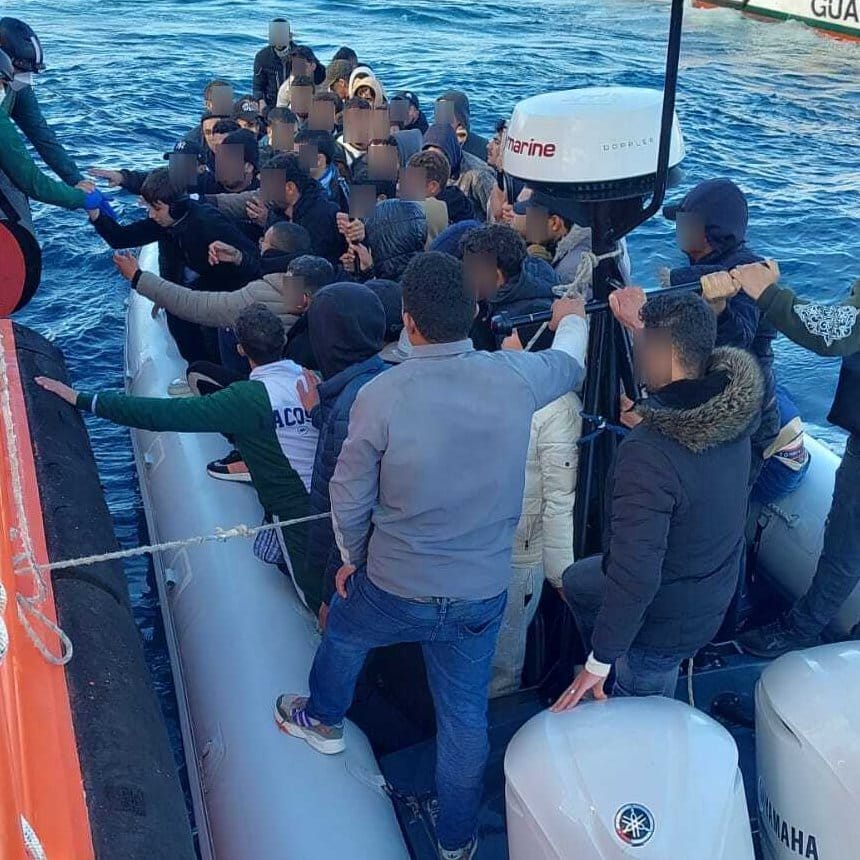
Irregular migration to Spain fell sharply in 2025, with arrivals dropping more than 40%, official data show, largely due to a steep decline in crossings along the hazardous Atlantic route to the Canary Islands.
Spain continues to be one of Europe’s main entry points for migrants seeking better opportunities, and the country has faced sustained pressure from EU partners to curb irregular arrivals.
According to the Interior Ministry, 36,775 migrants entered Spain irregularly last year, most by sea — a 42.6% decrease compared with 64,019 in 2024. The number of arrivals to the Canary Islands fell dramatically by 62% to 17,788, while Mediterranean crossings rose, particularly to the Balearic Islands, where arrivals from Algeria increased 24.5% to 7,321.
Despite the overall drop in arrivals, the human cost remains high. Spanish NGO Caminando Fronteras reported that more than 3,000 migrants, including 437 children, died attempting to reach Spain in 2025. The organisation bases its figures on testimony from families and official rescue data.
The decline in Canary Islands arrivals comes amid warmer relations between Spain and Morocco, the main departure point for the islands. Ties improved after Madrid endorsed Rabat’s autonomy plan for Western Sahara in 2022. Since then, Spain and Morocco have strengthened maritime patrols, intelligence sharing, and anti-smuggling operations, while Morocco has enhanced coastal surveillance.
Spanish Interior Minister Fernando Grande-Marlaska has emphasized that reducing irregular migration requires tackling it before migrants depart. He credited closer cooperation with Mauritania and other African nations as a key factor behind the drop in Atlantic crossings. “We can only reduce irregular migration by establishing comprehensive alliances based on trust and mutual benefit,” he said at a November EU migration meeting in Malta.
Frontex, the EU’s border agency, also pointed to tougher preventive measures in countries of departure — especially Mauritania — as a major factor in the decline. In 2024, Mauritania agreed to curb dangerous sea crossings in exchange for €210 million in EU support.
Human rights groups, however, warn that such agreements carry serious risks. In August, Human Rights Watch accused Mauritanian authorities of widespread abuse of migrants, including rape, torture, and extortion, noting these violations intensified after the EU deal. Mauritania has denied the allegations.