
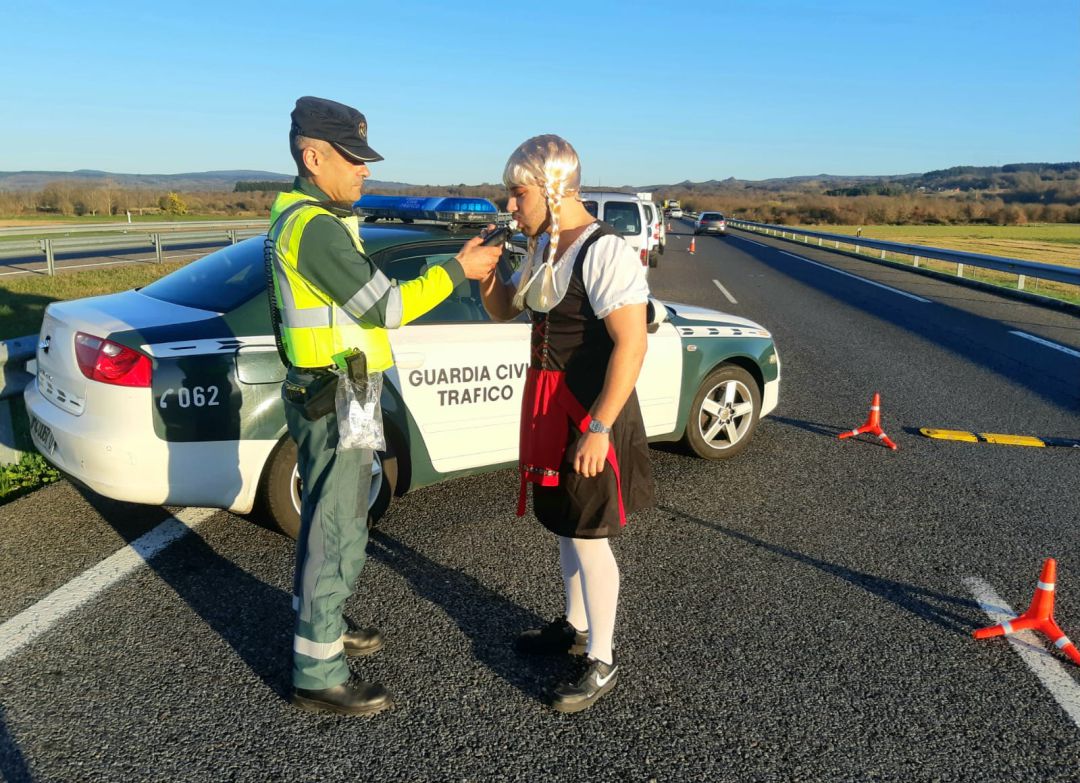
The legislative journey to reduce Spain’s legal blood alcohol limit is still awaiting confirmation by the Spanish Congress. It’s introduction has seemingly been rather more complex than a simple vote. While Congress initially signalled its support for the move toward a 0.2 g/l limit in late 2024, the process has encountered several hurdles that have pushed the official start date into 2026.
The State of the Law in 2026
As of early 2026, the reform to Article 20 of the General Traffic Regulations is in its final administrative phase. The government intends for the new limit to be fully enforceable by the second quarter of this year.
Until the official publication in the State Gazette (BOE) and the subsequent grace period conclude, the previous limit of 0.5 g/l remains the legal standard for general drivers. However, the DGT (Directorate-General for Traffic) has already launched massive awareness campaigns, advising drivers to act as if the 0.2 limit is already in effect to avoid future penalties.
Understanding the Delay
The holdup is not due to a lack of political will, as there is broad consensus that alcohol is a primary factor in road fatalities. Instead, the delay stems from three specific areas:
Regulatory Complexity
Reducing the alcohol limit isn’t just a matter of changing a number. It requires a formal modification of the General Traffic Regulations via a Royal Decree. This process involves mandatory consultations with various stakeholders, including transportation unions, the Council of State, and regional authorities. Each of these bodies must review the legal wording to ensure it does not conflict with existing constitutional rights or regional jurisdictions.
Technical and Forensic Verification
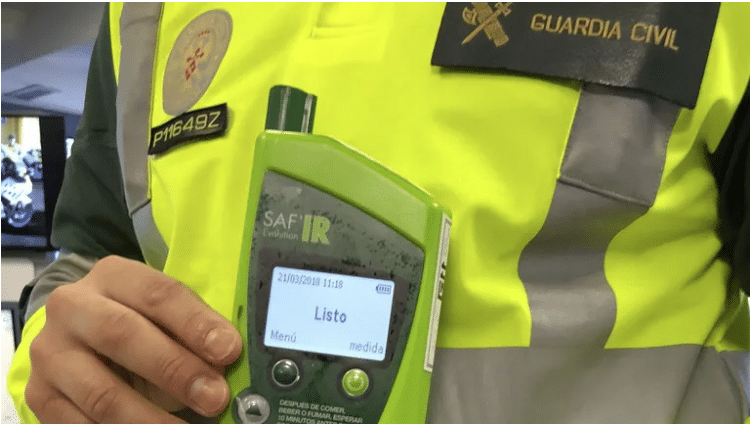
One of the primary technical concerns raised during the debate was the precision of breathalysers. At a limit as low as 0.1 mg/l (breath) or 0.2 g/l (blood), the margin of error becomes critical.
Congress had to ensure that the equipment used by the Civil Guard and local police is calibrated to distinguish between actual alcohol consumption and “false positives” caused by things like mouthwash, certain fermented foods, or natural metabolic processes.
Ensuring the legal framework for these “margins of error” took longer than expected.
Legislative Overload
The Ministry of the Interior has bundled the alcohol limit change with a massive package of other road safety reforms. This includes new mandates for V-16 connected beacons (which replace emergency triangles), mandatory gloves for motorcyclists, and updated rules for electric scooters.
Because all these changes are being processed as a single regulatory package, a delay in the technical specifications for one part—such as the connectivity standards for emergency beacons—has effectively stalled the entire reform, including the alcohol limits.
Summary of the Incoming Standard
Once the current legislative logjam clears this spring, the universal standard will be roughly half of what it was. For the average adult, this means that even a single small beer or glass of wine could result in a positive test.
The transition is designed to move Spain away from the “moderate drinking” culture toward a “zero-tolerance” environment similar to that of Norway and Sweden.


