A recent Spanish study warns that if an earthquake similar to the one that struck Torrevieja in 1829 were to happen today, the impact would be catastrophic due to the dramatic rise in population and tourism along the coast. The population has grown by more than 500% since then.
Back in 1829, nearly 400 people were killed. According to the new study, with today’s demographics, a similar quake could leave around 5,000 dead with a 60% probability, while in peak tourist season the death toll could climb to 11,000. Economic losses are estimated at around €100 billion.
Spanish scientists reached these figures by entering geological and demographic data into the same tool used by the U.S. Geological Survey, which they say helps prepare for disasters “that we know will happen again, though we don’t know when.”
The 1829 earthquake was especially devastating because the ground literally swallowed buildings in a process known as liquefaction, and every bridge over the Segura River collapsed, making rescue efforts nearly impossible. “That’s why it is crucial to establish clear access and evacuation routes for emergency services, particularly in an area with unsustainable urban and tourist development, which experts say increases vulnerability by 400%,” said Bárbara Soler, the socialist spokesperson.
The report stresses that international assistance would be necessary in all scenarios, and in many cases, Spain would face human and economic losses for which the country is “not prepared.”
Soler posted a video on social media questioning what measures Torrevieja’s City Council has taken:
- Has a seismic study been carried out for the city?
- Is there a map marking vulnerable buildings for monitoring and retrofitting to meet current earthquake-resistant standards?
- Is there a prevention and response strategy that educates the public on how to act in order to protect themselves?
These questions were raised in a recent council session, and Soler described the response as “worrying.”
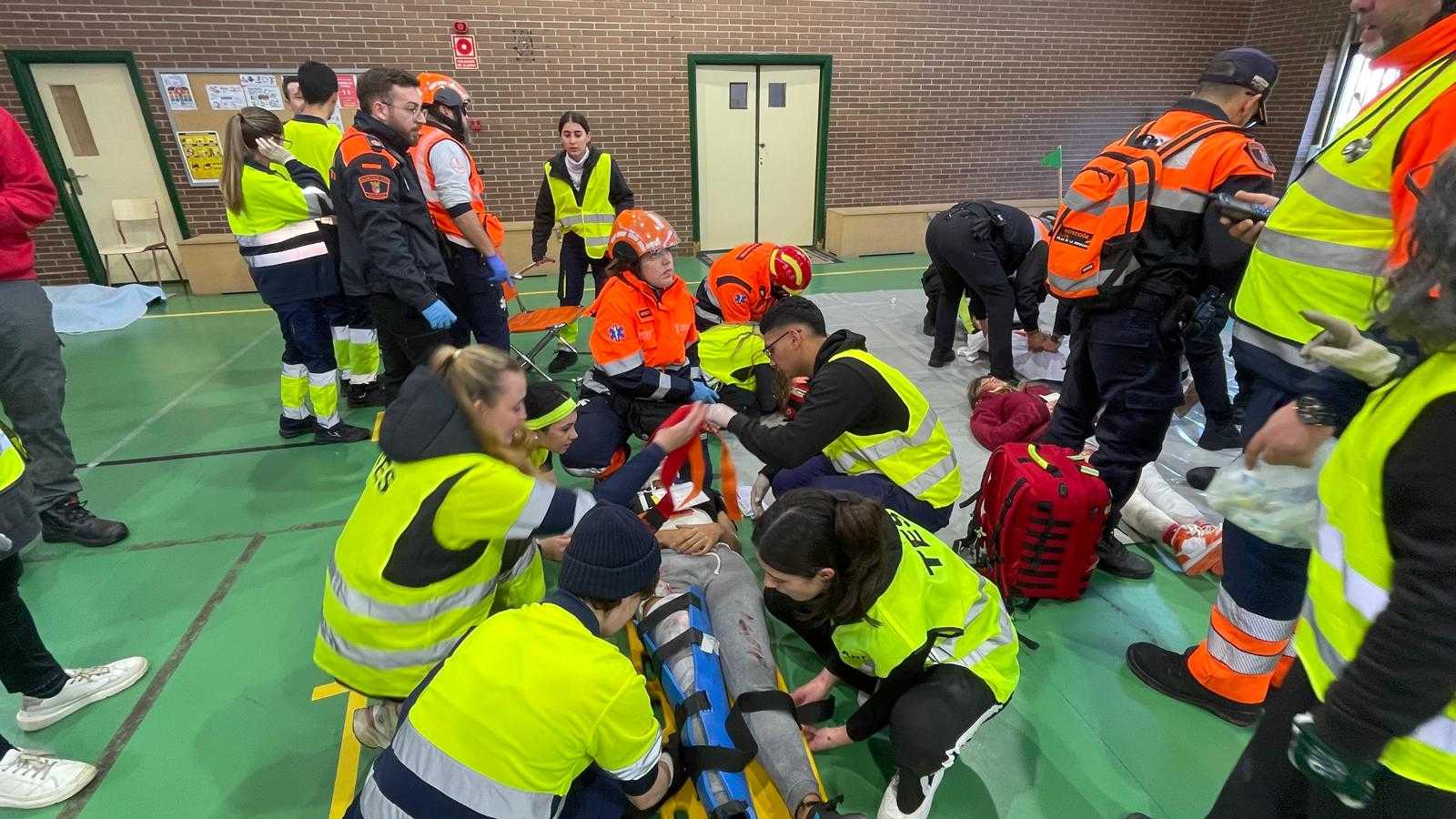
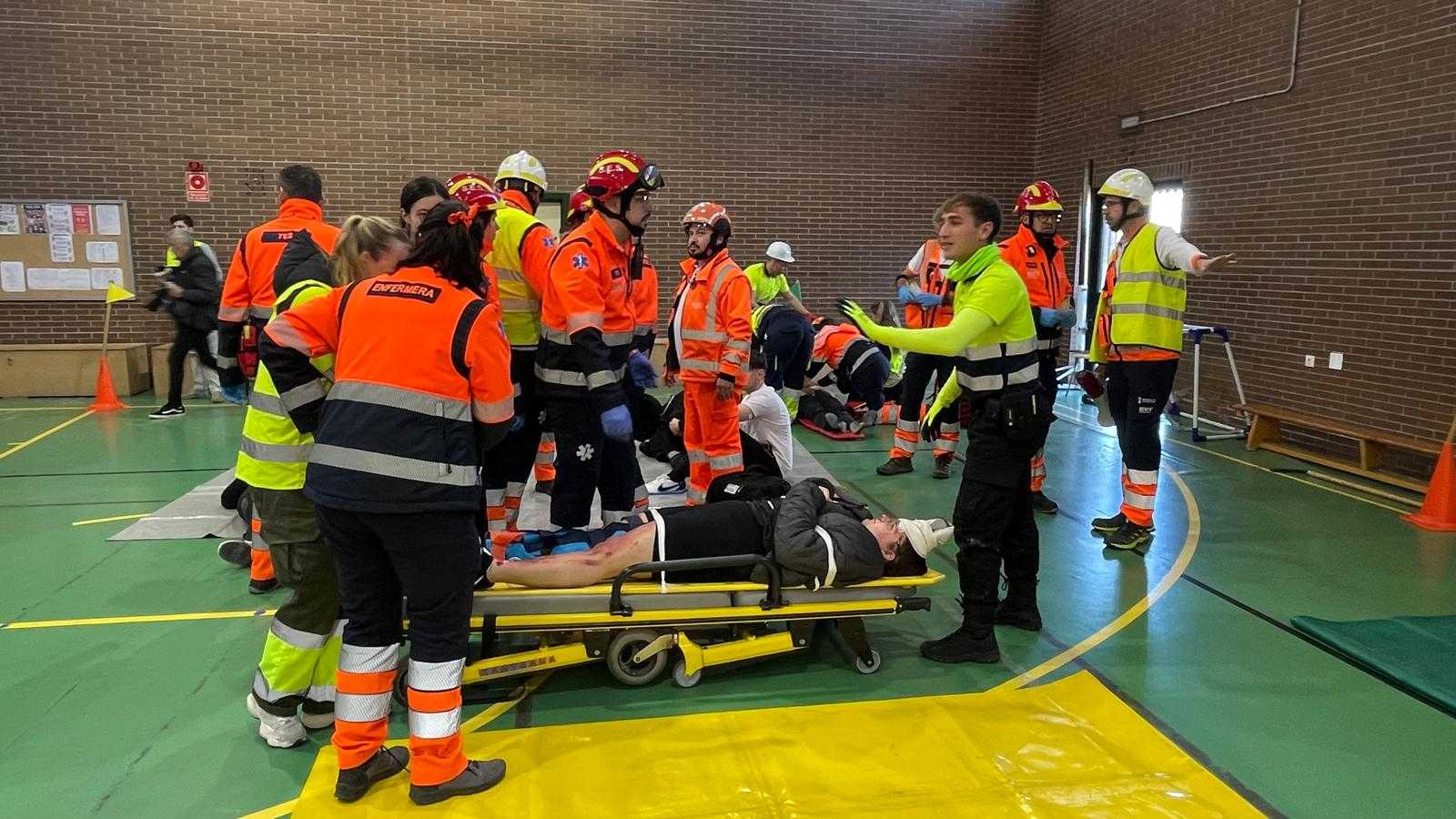
According to the PSOE, the PP-led council replied that talks on earthquakes had been given and that two seismographs exist — as in almost any earthquake-prone city. They added that a Seismic Risk Plan had recently been approved (though mandatory), that drills and workshops are held in schools, and that the council collaborates with the Ars Creatio association. “This group does excellent work, but cultural initiatives cannot be counted as real prevention against seismic risk,” Soler countered.
The PP also acknowledged that more still needs to be done — including updating the seismic risk map, improving coordination among institutions, continuing public awareness campaigns, and implementing an early warning system. “In other words, all the key work remains unfinished,” Soler criticized.
She concluded: “The Popular Party is focused on fuelling uncontrolled population growth, for which even current services and infrastructure are insufficient. Unfortunately for the people, they have learned nothing — not from this study, not from the floods, not from the wildfires, not from COVID, not from emergency management in general.”