Recent rainfall and mild temperatures have created ideal breeding conditions, prompting the council to expand treatments and urge residents to remove standing water from private properties.
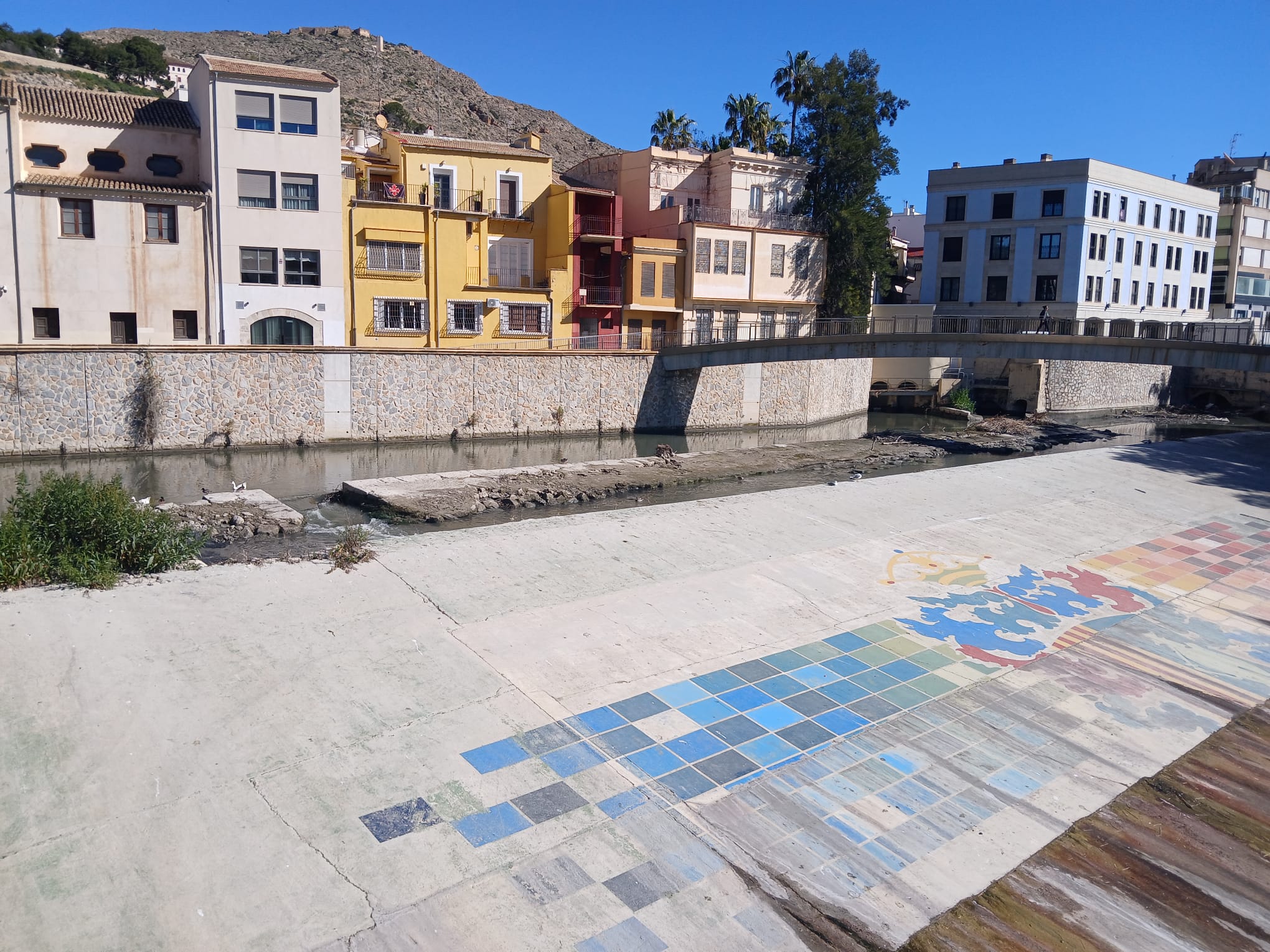
Orihuela City Council has stepped up mosquito control measures across the municipality after a noticeable increase in mosquito activity in recent weeks, particularly in areas close to the river.
The Department of the Environment, headed by Councillor Noelia Grao, said the rise has been driven by recent rainfall and unseasonably mild temperatures, which have encouraged the build-up of stagnant water and the reactivation of mosquito breeding sites.
Grao said many areas that had previously remained dry had once again become suitable for the mosquito life cycle to develop. As a result, the council has increased the frequency of treatments and widened the scope of its intervention programme in an effort to contain the problem quickly.
Control operations are focusing on both mosquito larvae and adult insects. Teams are inspecting and treating breeding sites while also carrying out measures aimed at reducing the adult mosquito population. Current work is centred on sensitive areas such as stretches of the river with stagnant water, drainage channels, street drains and other locations where water tends to collect. Officials have not ruled out extending operations to other parts of the municipality if further breeding hotspots are identified.
The councillor acknowledged that the situation may be causing discomfort for residents and said the local authority was acting to reduce the impact as soon as possible. She also appealed for public cooperation, stressing that mosquito control requires support from the community as well as municipal services.
Residents are being reminded that standing water on private property can easily become a breeding ground for mosquitoes, especially tiger mosquitoes. Plant pot trays, buckets, containers and unused swimming pools are among the most common problem areas and should be emptied or treated regularly.
The council has also encouraged members of the public to report mosquito-related incidents through the usual municipal channels so that problem areas can be identified and addressed more rapidly.
Health officials routinely advise that reducing standing water is one of the most effective ways to limit mosquito breeding, particularly during warm and wet periods when populations can rise sharply. Orihuela’s latest response reflects the increasing need for preventive action as changing weather conditions create favourable environments for insect proliferation.