Town hall unveils video summary of restoration work on the Segura and showcases riverbank recovery as a model of ecological renewal, public engagement and environmental awareness
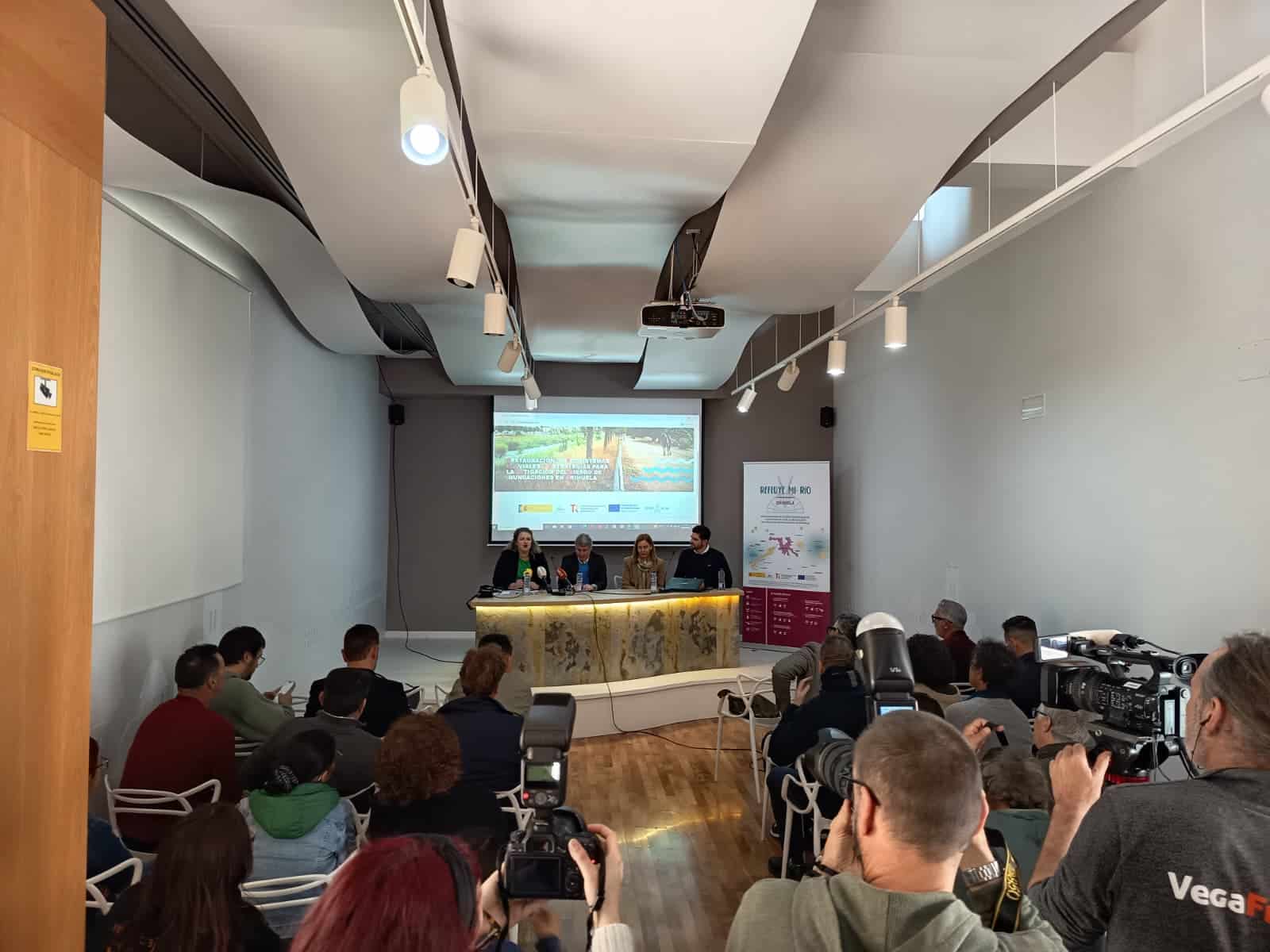
Orihuela City Council has marked the conclusion of the Refluye Mi Río project with a closing event celebrating the environmental, social and educational impact of restoration work carried out along the River Segura as it passes through the municipality.
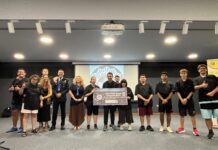
Held on 23 March 2026, the event brought together political representatives, technical staff, local associations, community groups, companies involved in the works and members of the public to review the progress made and underline the wider significance of the initiative. Among those attending were Mayor Pepe Vegara, Councillor for the Environment Noelia Grao, Marta Ruiz de la Torre, head of projects at the Segura River Basin Authority, and Fran Durán, technical representative of the Biodiversity Foundation.
The event also featured the presentation of a video summary of the project, showing images from before, during and after the works, and offering a visual account of the transformation of several degraded riverside areas.
The project has enabled restoration work in a number of groves and stretches of riverbank along the Segura, focusing on the recovery of damaged natural spaces through the removal of invasive exotic species, waste and debris clearance, replanting with native vegetation and wider ecological improvements.
Speaking at the event, Environment Councillor Noelia Grao said Refluye Mi Río had been “much more than a construction project”, combining environmental restoration, public participation and awareness-raising in order to restore the river’s place in the life of Orihuela.
“It was not simply about cleaning or improving certain areas, but about reclaiming the river as part of our identity, our landscape and our future,” she said.
Grao highlighted work carried out in areas including the I1 and D1 groves, Molino de la Ciudad, Miguel Hernández grove, Grove No. 13 and the Reguerón grove in Molíns, where action has been aimed at strengthening biodiversity, improving ecological connectivity and balancing environmental restoration with social and recreational use.
Mayor Pepe Vegara said the Segura “has always been a fundamental part of the history, landscape and life of our municipality” and praised the project for helping residents see the river once again not as a neglected space, but as “a place of opportunity, community and nature”.
He added that restoring the river environment is also an investment in residents’ quality of life and a long-term commitment to the future of the town.
Alongside the physical works, Refluye Mi Río has included a strong governance, communications and environmental education component. Over recent months, the project has delivered participatory workshops with residents and associations, working sessions with municipal technicians, sector round tables, a public survey and a Charter of Recommendations setting out proposals for future action around the Segura based on a shared approach.
The initiative has also produced a range of awareness and educational materials, including school resources, interpretive panels on local flora and fauna, and dedicated website and social media content designed to strengthen public understanding of the river and its environmental value.
At the closing event, speakers placed particular emphasis on the project’s lasting legacy, stressing the importance of preserving the progress achieved, maintaining the restored areas and continuing to strengthen the relationship between Orihuela and the Segura after the completion of the works.
Both the municipal government and the technical teams agreed that the project should not be seen as an endpoint, but as the beginning of a new phase of collective commitment to the river.
Refluye Mi Río is supported by the Biodiversity Foundation of Spain’s Ministry for Ecological Transition and the Demographic Challenge (MITECO) within the framework of the Recovery, Transformation and Resilience Plan (PRTR), funded by the European Union’s NextGenerationEU programme.”