The internet has become inseparable from daily life in Spain, but the darker side of constant connectivity is becoming increasingly difficult to ignore. Excessive screen time, social media fatigue and a surge in low-quality, AI-generated content are no longer niche concerns.
For many Spanish families, schools and policymakers, digital overload has shifted from a background irritation to a growing social problem – particularly among children and young adults.
Globally, social media use has expanded at an extraordinary pace. By the end of 2025, around 5.66 billion people – almost 68% of the world’s population – were active on social platforms. Spain mirrors this trend closely.
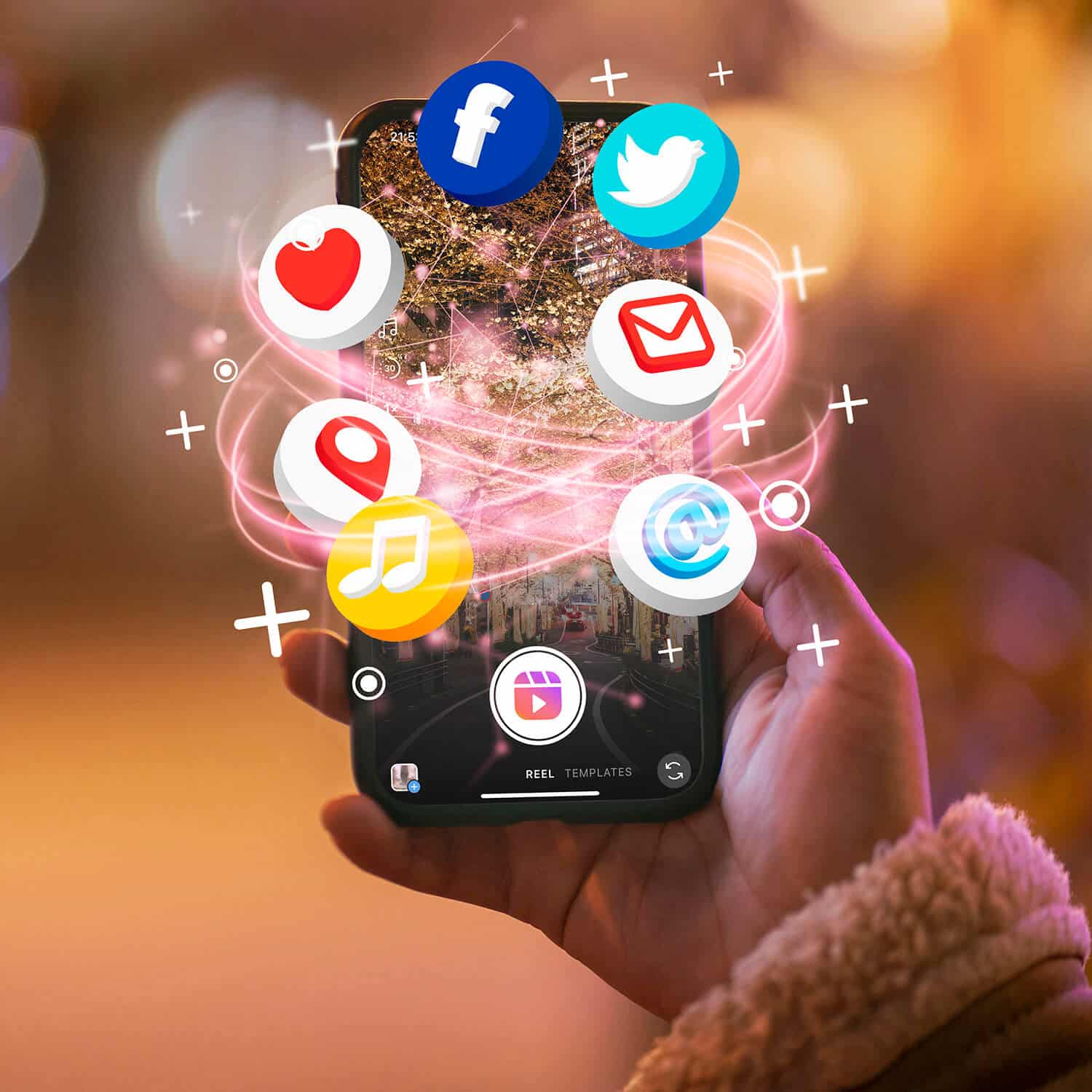
Social media penetration is high, smartphones are ubiquitous, and platforms such as WhatsApp, Instagram, YouTube and TikTok play a central role in everyday communication, entertainment and even news consumption. For many Spaniards, especially those under 40, checking social media is one of the first and last actions of the day.
This rapid growth has sparked international debate. Australia’s decision to ban social media use for under-16s has intensified discussions across Europe, including in Spain, where concerns about online addiction, mental health and academic performance are mounting.
While no such ban currently exists in Spain, the issue is firmly on the agenda as parents and educators question how much screen time is too much.
A recent analysis by PlayersTime, drawing on data from DataReportal, Similarweb and Statista, examined social media use across 68 countries. While Spain does not rank among the most extreme users in terms of daily hours, the data shows that Spaniards still spend a significant portion of each day scrolling feeds, watching videos and messaging.
This places Spain closer to the European average, but well above levels that experts consider healthy, particularly for teenagers.
The study highlights a crucial distinction: it is not just how many people use social media in Spain, but how they use it. Video-focused platforms dominate. YouTube is almost universal across all age groups, functioning as both a social network and a search engine. TikTok, although newer, has rapidly become one of the most time-consuming apps, especially among younger users, with average daily usage far exceeding that of Facebook.
Instagram remains a key platform for social identity and self-presentation, while WhatsApp is deeply embedded in Spanish social and family life.
Age differences are stark. Spanish teenagers strongly favour YouTube, TikTok and Instagram, while Facebook has largely lost relevance among this group despite its massive global user base.
Millennials, ages 30-49, and Generation X, ages 18-29, still rely heavily on Facebook and YouTube, often for news, community groups and practical information. Older Spaniards, meanwhile, tend to use social media primarily to stay in touch with family rather than to consume endless content.
These patterns raise difficult questions for Spain’s future digital policy. Short-form, algorithm-driven platforms such as TikTok are designed to maximise attention, not wellbeing. Their addictive nature has placed them at the centre of debates about regulation, age limits and digital education.
In Spain, calls are growing for stronger media-literacy programmes in schools and clearer guidance for parents navigating their children’s online lives.
Social media is not going away. From the early days of MySpace to today’s mobile-first platforms, it has reshaped how Spaniards communicate, learn and relax. But as digital overload becomes more visible, Spain faces a defining challenge: how to preserve the benefits of connection while protecting users – especially the youngest – from the cost of endless scrolling.
Information sourced from: www.Playerstime.com