Torrevieja has given up on building more than five kilometers of bike lanes—an essential step toward sustainable urban mobility—after failing to meet the deadlines set by the European Union for green infrastructure projects. The Ministry of Transport and Sustainable Mobility refused to grant further extensions, resulting in the loss of €1.2 million in climate-focused funding.
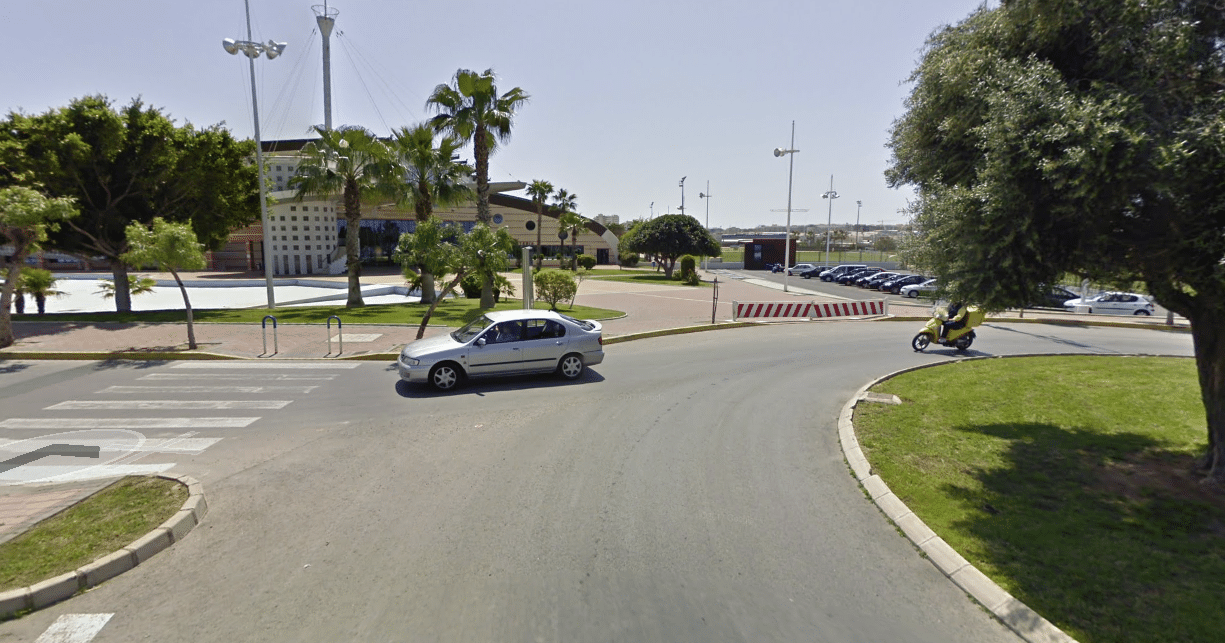
The abandoned project, budgeted at €1.24 million, was designed to promote car-free transport, improve pedestrian safety, and cut pollution. It included four new bike lanes and upgrades to another, with one 600-meter stretch along Monge y Bielsa Avenue that would have provided a vital link to municipal sports facilities. Another 4.8-kilometer corridor was planned along the city’s northern seafront, connecting major avenues and offering residents a clean, zero-emissions commuting option.
A Missed Chance for a Green City
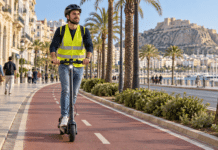
Despite being a densely populated coastal municipality with high levels of traffic and air pollution, Torrevieja’s cycling network remains almost nonexistent. Apart from a few scattered lanes and a section along the CV-95, safe infrastructure for cyclists and scooter users is virtually absent. This stands in stark contrast to the growing demand from residents—especially the city’s large international community—who already embrace bicycles and e-scooters as sustainable alternatives to cars.
Safer Routes for Children, Now Lost
The project also addressed pedestrian safety around the Cuba and Acequión schools, where families must currently navigate dangerously narrow sidewalks. Using modular prefabricated structures, the plan would have widened walkways without major construction, ensuring children could walk and cycle to school safely—an initiative aligned with EU goals to promote safe, active mobility for young people.
Deadlines Missed, Climate Goals Undermined
City officials admitted the Ministry rejected modifications to the plan because deadlines had already been breached. Without the ability to finance the project independently, the council halted the contract. The decision comes despite municipal technicians having expedited the process in record time, underlining the lack of political will to prioritize climate-friendly infrastructure.
Contradictory Explanations
While the official resolution states clearly that €1.2 million in EU funds has been lost due to missed deadlines, local government spokesperson Federico Alarcón downplayed the failure. He claimed the money would be “reallocated” to other projects and blamed the cancellation on plans to remodel the Cuba school—a justification that environmental groups argue shows misplaced priorities.
Meanwhile, several local schools remain in temporary prefabricated classrooms, and the rehabilitation of the city’s high school, IES Las Lagunas, is still pending—further evidence, critics say, of Torrevieja’s failure to align education, urban planning, and environmental responsibility.
A Step Backward
Environmental advocates stress that abandoning these bike lanes is not just about losing money—it is about losing an opportunity to move away from car dependency, cut emissions, and provide safe, sustainable alternatives for residents. By rejecting this project, Torrevieja has effectively chosen more congestion, more pollution, and less safety for its citizens.