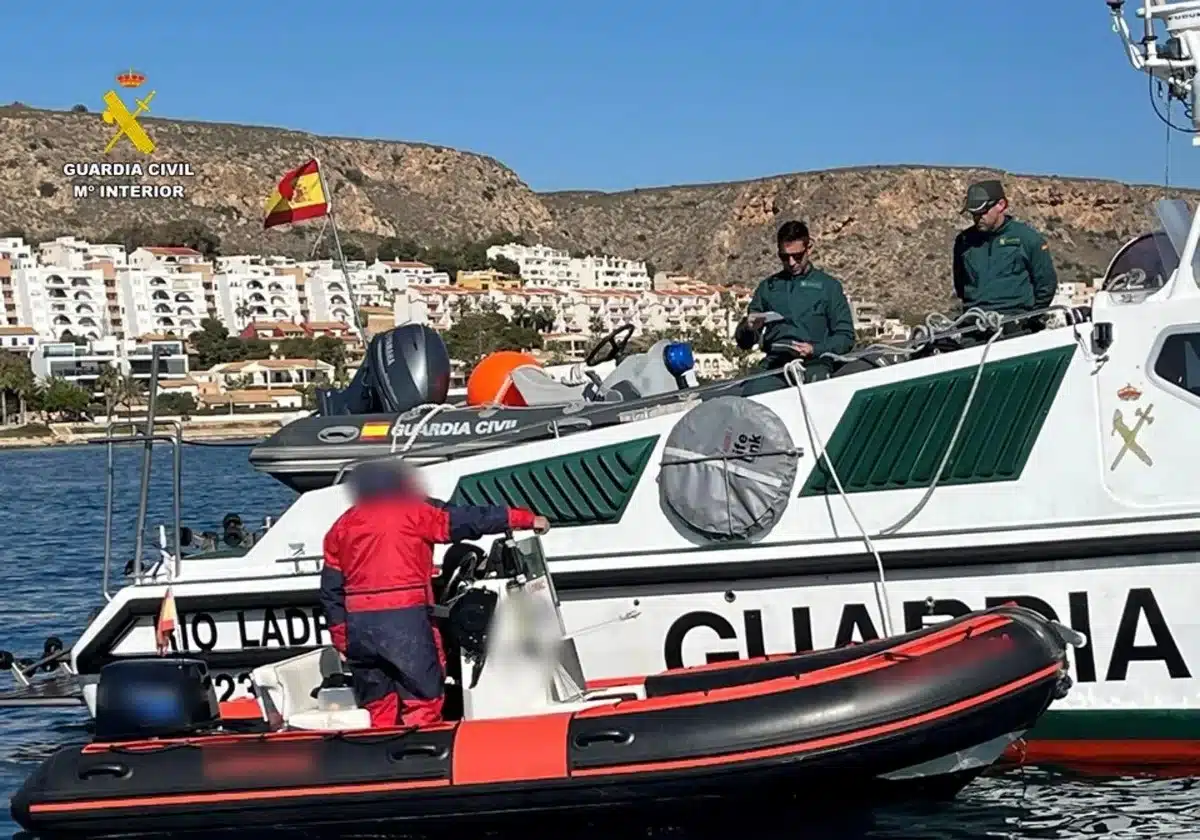
Alicante – Beneath the postcard-perfect waters of Alicante’s coast, where tourism and traditional fishing have long coexisted, a silent crisis is unfolding. Illegal octopus fishing—particularly the capture of immature specimens—is rising at an alarming rate, putting both the marine ecosystem and the region’s economic fabric at risk.
Octopus, a prized ingredient of Mediterranean cuisine, has seen its market value soar in recent years. But with high demand has come a surge in illegal practices: fishing out of season, using prohibited gear, or ignoring the legal minimum catch weight of one kilo per specimen, as established by Spanish regulations.
Authorities warn that harvesting juveniles undermines the species’ ability to regenerate and disrupts the delicate ecological balance that sustains local fisheries and coastal biodiversity. Capturing or selling undersized octopus is not only an administrative infraction but can also lead to steep fines or even criminal charges in cases of repeated or severe violations.
Traps, Harpoons and Prohibited Waters
Santa Pola, a fishing town emblematic of Alicante’s coastal identity, has become a hotspot for such infractions. Over the summer, local authorities reported multiple cases of octopus caught below the legal size, often using harpoons in restricted areas. According to the municipal council, these practices pose a serious threat to the long-term survival of marine species.
On May 29, the Civil Guard intercepted a shipment of 140 kilos of immature rock octopus in the port of Santa Pola. Just weeks earlier, another patrol had seized a vessel carrying eight illegal traps made from PVC pipes, four of them containing live octopuses. The traps, unmarked and unauthorized, represented a serious violation of maritime law. Depending on the severity and frequency of the offense, fines can range from €601 to €60,000.
The illicit trade has also reached the restaurant industry. In May, the Civil Guard raided a Santa Pola restaurant where inspectors discovered freezers filled with illegal fish, many undersized and lacking traceability labels. These catches, intended for direct consumption by customers, highlight the wider market demand that fuels poaching at sea.

Protecting a Fragile Balance
The crackdown on illegal fishing is not simply about enforcing laws, but about safeguarding the future of Alicante’s coastline. Octopuses play a critical role in regulating marine ecosystems, and their decline could trigger cascading effects on other species.
For now, intensified surveillance and stricter penalties are authorities’ main tools against the problem. Yet experts caution that real progress will require not only law enforcement but also public awareness. “Every illegal catch threatens tomorrow’s seas,” one official noted.
As Alicante continues to attract visitors with its beaches and seafood, the hidden struggle beneath the waves serves as a reminder: the sustainability of the Mediterranean depends on protecting the creatures that inhabit it.