How to Prevent Burns, Skin Damage and Heat-Related Complications
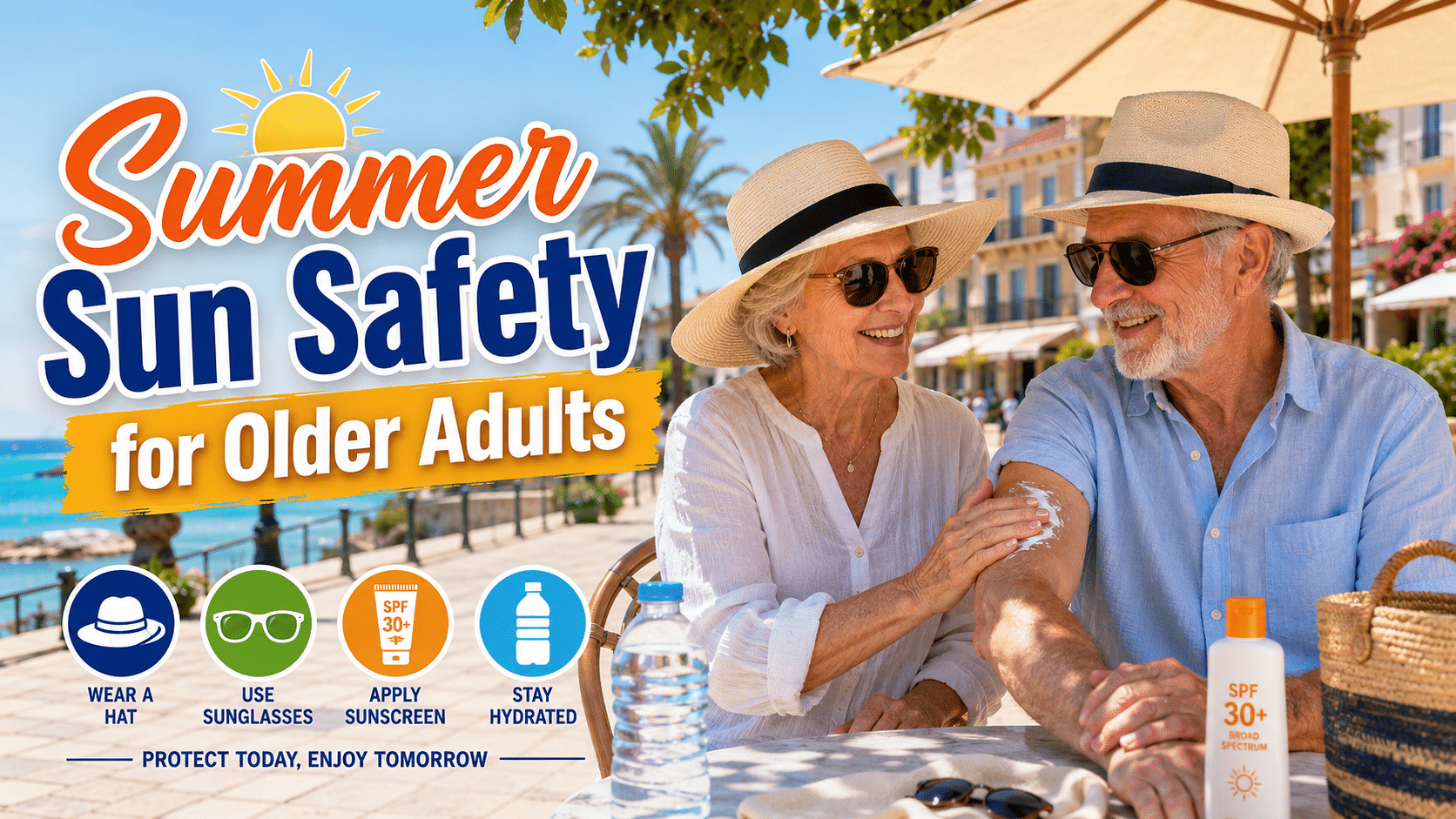
Older adults need particular protection from the sun during summer, when high temperatures and strong ultraviolet radiation can quickly damage thinner, more fragile skin.
Sun exposure is not limited to days at the beach. A walk to the shops, lunch on a terrace, gardening, sitting beside a swimming pool or travelling to a medical appointment can provide enough ultraviolet exposure to cause burning, irritation and longer-term skin damage.
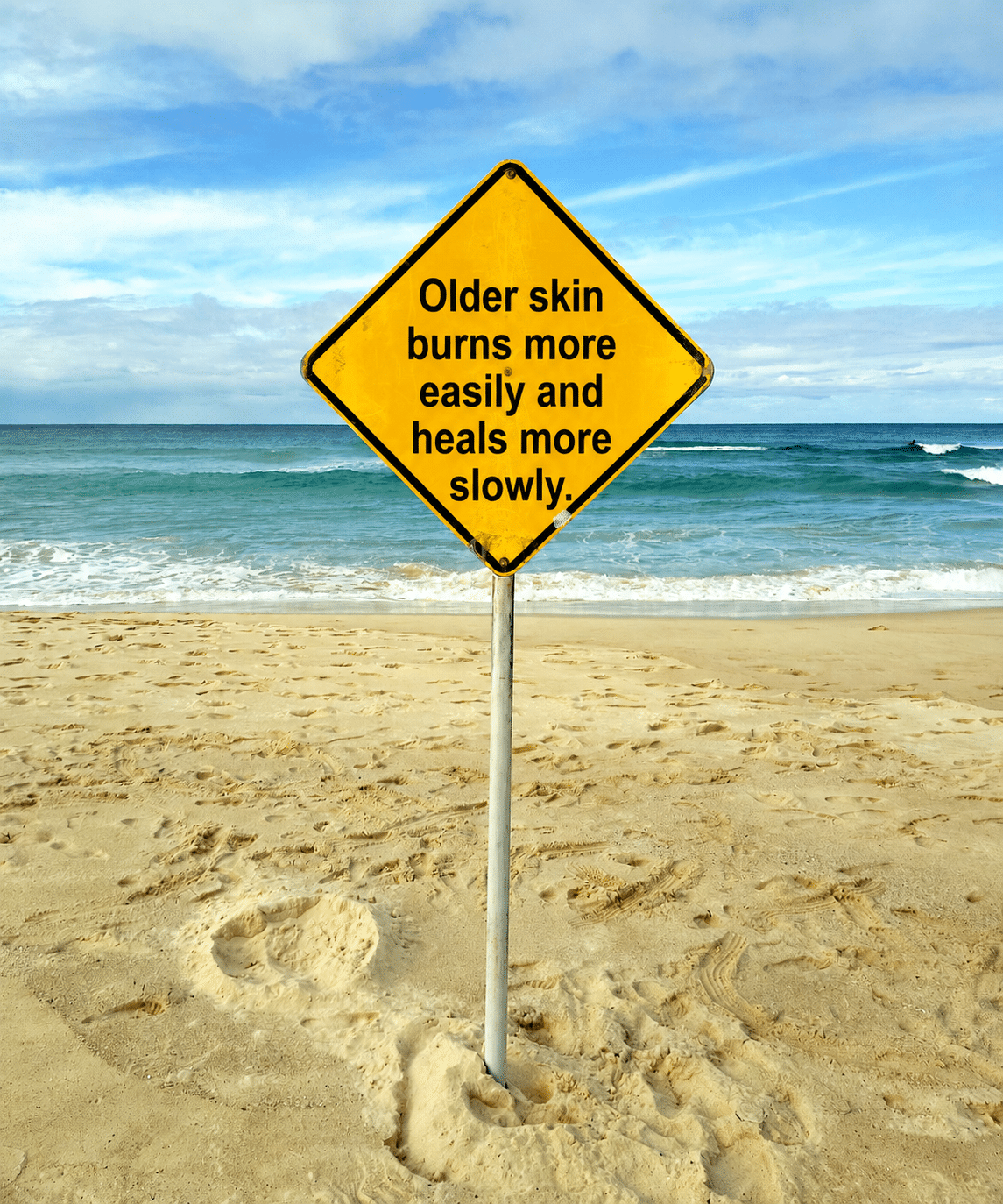
As the skin ages, it gradually becomes thinner, drier and less elastic. Its ability to repair itself also slows, while the effects of decades of previous sun exposure continue to accumulate. This means that sunburn may be more severe, take longer to heal and cause greater discomfort in an older person than in a younger adult.
For this reason, sunscreen should be treated as part of the daily summer routine rather than something used only during holidays or prolonged periods outdoors.
Why older skin needs greater protection
Ageing skin is more vulnerable to dryness, bruising, inflammation and delayed healing. Existing wounds, ulcers, scars and irritated areas may also worsen after exposure to sunlight.
Some medications can increase sensitivity to ultraviolet radiation, including certain antibiotics, diuretics, anti-inflammatory drugs and treatments for heart conditions. Older adults taking regular medication should check the patient information leaflet or ask a pharmacist or doctor whether additional sun protection is needed.
People with reduced mobility may also struggle to apply sunscreen properly. Stiff shoulders, reduced grip strength, difficulty bending and impaired balance can leave areas such as the back, shoulders, lower legs and feet unprotected.
Cognitive impairment may create an additional risk if the person forgets to use sunscreen, wears unsuitable clothing or remains outside too long. In these circumstances, help from relatives, carers or care staff is an important part of prevention.
Avoid the strongest sunlight
The safest approach is to plan outdoor activity for the cooler parts of the day.
Older adults should generally avoid prolonged direct sun around the middle of the day, particularly between noon and 4pm, when ultraviolet radiation is often strongest.
Morning walks, shopping trips and gardening should be completed as early as practical. Evening activities are also preferable once temperatures begin to fall.
Shade should be used whenever possible, although it is important to remember that ultraviolet rays can still reach the skin indirectly through reflected light.
Choose broad-spectrum sunscreen
Sunscreen should protect against both UVA and UVB radiation and have a high sun protection factor.
A broad-spectrum product with at least SPF 30 is generally advisable, while SPF 50 may be more appropriate for very fair skin, previous skin cancer, extensive sun damage or prolonged outdoor exposure.
The product should be applied to clean, dry skin around 20 to 30 minutes before going outdoors.
Applying sunscreen before getting dressed can make it easier to cover the shoulders, chest, neck, arms and legs properly.
Use enough sunscreen
One of the most common mistakes is applying too little.
For the face, a practical guide is to use two lines of sunscreen along two fingers. When large areas of the body are exposed, approximately 30 millilitres may be required for full coverage.
A thin or uneven layer can provide considerably less protection than the SPF shown on the bottle.
Sunscreen should be spread carefully over:
- The face and neck
- The ears and back of the neck
- The scalp where hair is thinning
- The hands and forearms
- The lower legs
- The tops of the feet
- The chest and shoulders
- The lips, using a protective balm
The ears, hands, scalp and feet are frequently missed but can receive substantial sun exposure.
Reapply during the day
A single morning application does not provide all-day protection.
Sunscreen should usually be reapplied at least every two hours while outdoors and sooner after swimming, heavy sweating or drying the skin with a towel.
For a short walk outside the hottest part of the day, one thorough application may be sufficient, but longer outings require repeated protection.
Clothing remains essential
Sunscreen should be used alongside other protective measures, not instead of them.
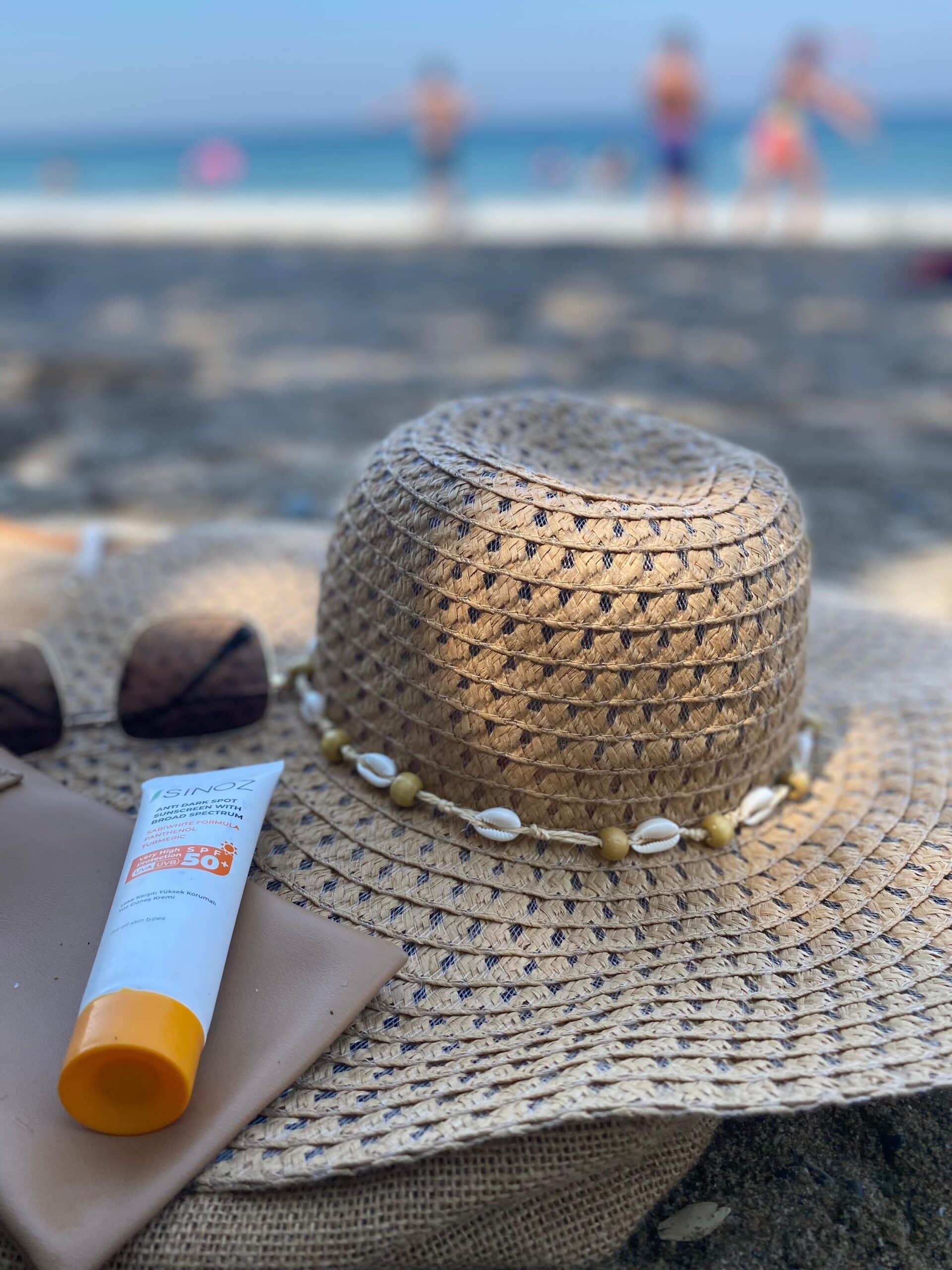
Lightweight, loose-fitting clothing that covers the arms and legs can significantly reduce exposure. A broad-brimmed hat protects the face, ears, neck and scalp more effectively than a narrow cap.
Sunglasses should provide proper ultraviolet protection and fit securely.
Older adults who bruise easily or take blood-thinning medication may also benefit from long sleeves and trousers, which protect fragile skin from both sunlight and minor injuries.
Protect wounds, scars and damaged skin
Open wounds and ulcers should not be exposed directly to strong sunlight. Dressings should remain secure and the surrounding skin protected according to medical advice.
Recent scars may darken permanently after ultraviolet exposure and should be covered with clothing, a dressing or high-factor sunscreen once the wound has fully healed.
Any persistent sore, crusted patch, bleeding lesion or changing mark should be assessed by a healthcare professional.
Check sunscreen before use
Old or badly stored sunscreen may be less effective.
Products should not be used beyond the recommended period after opening. They should also be discarded if the smell, colour or texture has changed.
Sunscreen should not be left for long periods in hot cars, direct sunlight or outdoor storage areas, as excessive heat may damage the formulation.
Watch for suspicious skin changes
Regular skin checks are particularly important for older adults because the effects of sun exposure build over many years.
Medical advice should be sought for:
- A mole that changes size, colour or shape
- A wound that does not heal
- A rough or scaly patch that persists
- A lesion that repeatedly bleeds
- A new lump or mark
- Persistent itching, tenderness or crusting
Early assessment can make a significant difference when dealing with precancerous changes or skin cancer.
Sun safety should support an active life
Older people should not be discouraged from going outside. Walking, socialising and gentle outdoor activity remain important for physical health, mobility and emotional wellbeing.
The aim is to make those activities safer.
Sunscreen, suitable clothing, shade, hydration and sensible timing can reduce risk without limiting independence. Building sun protection into the daily routine, alongside medication and regular meals, can help older adults continue enjoying summer while avoiding preventable skin damage and medical complications.