Torrevieja will soon have its own team of dedicated traffic officers for the first time in the city’s history. The City Council has approved the creation of 21 new traffic mobility officer positions, marking a significant step in improving local traffic management and freeing up police resources for broader public safety duties.
These officers, while part of the municipal police structure, will operate with a narrow focus on traffic-related tasks—regulating vehicle flow, overseeing school drop-off zones, managing loading/unloading areas, and monitoring public transport stops. Crucially, they will not carry firearms or engage in criminal investigations. Their authority is limited to issuing fines and traffic reports.
This new team will consist of 20 officers and one senior technician. They are classed under a lower pay grade than Local Police but will still wear official uniforms and operate under the police command. Their introduction is expected to relieve pressure on the current police force, which has been overstretched covering routine traffic duties.
The move takes advantage of existing vacancies in the municipal C2 civil servant category, recently opened through a reorganization that upgraded over 60 administrative roles. These posts don’t require central government approval, enabling a faster rollout.
Torrevieja, designated a “large population” municipality since 2006, has long qualified for this type of unit under Spain’s Basic Law on Local Government. Other cities of similar size already employ such officers.
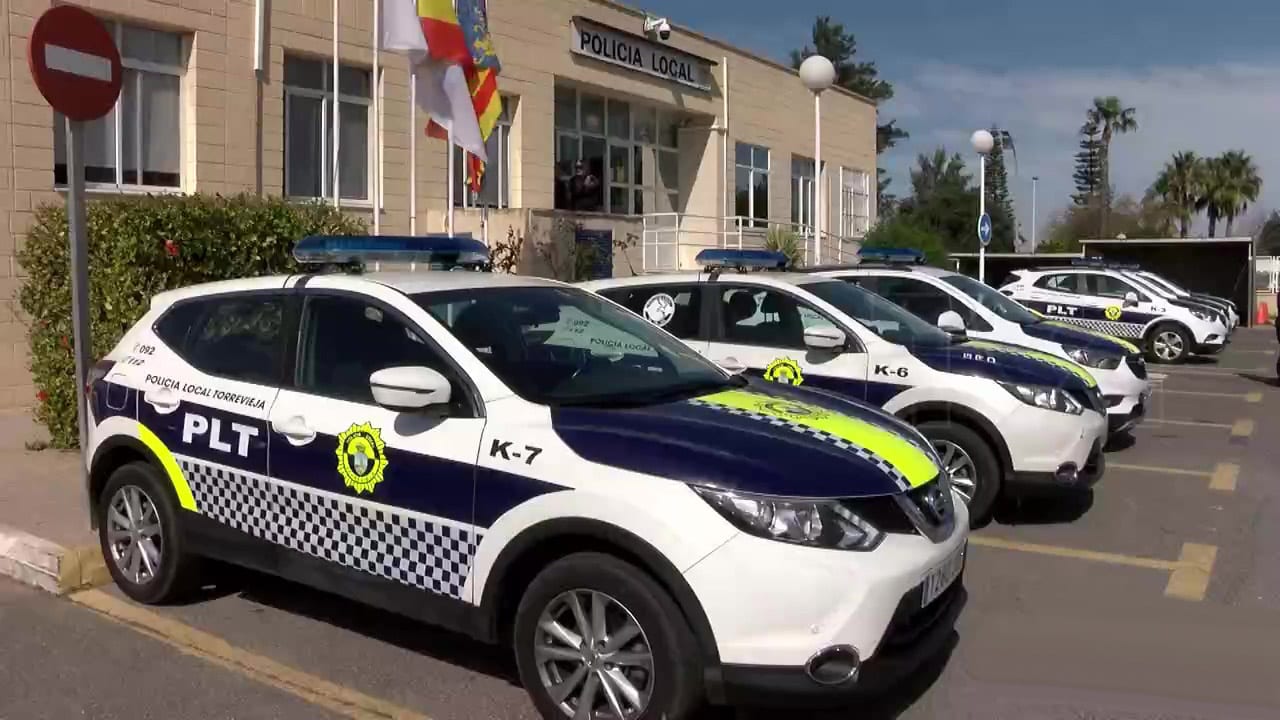
Initially based at the current Local Police headquarters on the CV-905 near Carrefour, the new unit’s eventual home may shift as the city seeks a larger, centralized facility. A plan to expand the existing station was shelved, and the council is now exploring options to lease and refurbish a new urban site tailored to housing an expanded police force.
Staffing across Torrevieja’s law enforcement has recently stabilized, now totaling around 180 officers following the permanent appointment of 40 former temporary officers. With the upcoming public call to fill additional Local Police roles, the force could exceed 200 personnel by mid-2026.
The City Council’s broader strategy, led by security councillor Federico Alarcón, includes restructuring the police command, appointing a general director, and reassessing overtime management. These changes have allowed for increased patrols along the city’s coastline and a more proactive approach to enforcing public space regulations, including action against unauthorized street vendors.
While the funding for a new police building isn’t yet included in the current municipal budget, Mayor Eduardo Dolón has signaled his commitment to finding a long-term solution. In the meantime, the introduction of traffic mobility officers is expected to boost efficiency and visibility in one of Torrevieja’s most pressing urban issues—its ever-growing traffic.