Residents of Torrevieja’s San Roque neighbourhood are refusing to abandon parking spaces they say have been used without dispute for more than 40 years, despite warnings and fines of up to €90 from the city’s new urban mobility officers.
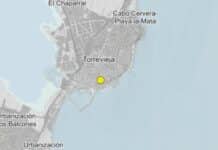
The dispute concerns ten dead-end streets running towards the coast from Avenida Desiderio Rodríguez, between La Veleta and Los Náufragos beach. The affected roads are named after Vega Baja municipalities: Benijófar, Bigastro, Rojales, Benejúzar, Callosa de Segura, Almoradí, Dolores, Catral, Albatera and Los Montesinos.
Tensions first escalated when mobility officers visited the neighbourhood and warned drivers that vehicles parked in the disputed sections could be fined. Residents reportedly gathered in large numbers to challenge the decision, prompting Local Police patrols to attend amid concerns that the confrontation could become heated.
Warnings have since been followed by penalties of up to €90. Those affected claim the enforcement campaign is unnecessary and motivated by revenue raising.
Residents of Calle Dolores are leading efforts to overturn the restrictions. Representatives have met Councillor for Citizen Security Federico Alarcón, asking the authority to recognise the long-established parking arrangements or provide alternative spaces. They have also proposed a park-and-ride facility, particularly during the busy summer season.
Alarcón said the council intends to create as many parking spaces as possible in the area. However, residents remain concerned that fines will continue while no practical alternative is available. Several have said they will carry on parking in the disputed locations.
The controversy follows the launch of Torrevieja’s urban mobility unit in July. It comprises 20 officers, a supervisor and ten 125cc motorcycles. Members were recruited as temporary civil servants and initially appointed for one year, with the possibility of extensions up to a maximum of four years.
Although the officers are not members of Spain’s security forces and cannot make arrests or prepare police reports, they are authorised to submit administrative complaints concerning traffic violations within their operational remit.
The unit was established to relieve pressure on Torrevieja Local Police, allowing sworn officers to concentrate on public safety and administrative policing. Its responsibilities include managing vehicle and pedestrian movements, monitoring bus lanes, loading bays and disabled parking spaces, and controlling traffic around schools and major events.
Its arrival has divided opinion. Drivers receiving tickets have criticised the tougher enforcement, while taxi and bus operators say it has reduced illegal and double parking, including vehicles obstructing public transport stops.
The officers have also been deployed around central streets such as Ramón Gallud and at the entrance to the Paseo del Mar car park, where congestion is common.
For San Roque residents, however, the argument is about more than enforcement. They insist the council is removing established parking without consultation or providing sufficient alternatives in an area where demand rises sharply during peak season. Until a compromise is reached, they appear determined to continue their protest—and to keep parking where they always have.