Environmental campaigners have called for the rejection of a major development near Torrevieja’s protected salt lagoon, warning that its 1,350 proposed homes would place an “unbearable burden” on the municipality.
Friends of the Southern Alicante Wetlands (AHSA) has filed formal objections to Amendment 116 of Torrevieja’s General Plan and the associated Partial Plan for Sector S-29 La Ceñuela.
The organisation wants the 29-hectare site to retain its existing classification as non-developable land. However, blocking the project could also affect plans to provide land for an extension to Torrevieja Hospital and improvements to the nearby CV-95 road.
The development proposes approximately 1,350 homes in buildings of up to eight storeys, accommodating an estimated 3,300 additional residents close to Torrevieja Lagoon.
AHSA argues that the project would have serious environmental and territorial consequences for the protected wetland, the surrounding landscape and the coastal green infrastructure connecting important natural areas.
“Unsustainable” development
The environmental group’s objections, submitted on July 29, describe the proposals as “manifestly unsustainable”. They claim the site forms part of a regional green corridor and is crossed by several shallow ravines and natural drainage channels flowing towards Torrevieja Lagoon.
According to AHSA, the development represents another example of excessive residential expansion around the La Mata and Torrevieja Lagoons Natural Park. It warns that continued construction could create an almost uninterrupted urban area between Torrevieja and Orihuela Costa.
The group also maintains that Torrevieja may already have exceeded the growth limits established under the Valencian Community’s Territorial Strategy and regional planning legislation.
It describes the municipality’s expansion as “brutal”, claiming that large housing developments have occupied land that should have remained protected from construction.
AHSA has also criticised the inclusion of conventional facilities, including educational infrastructure, in areas that it says should primarily perform an environmental role.
Part of the land lies within the protective zone established by the Natural Resources Management Plan for southern Alicante’s wetlands. Other sections appear within the coastal green infrastructure covered by PATIVEL, the Valencian Government’s territorial plan for undeveloped coastal land.
Outdated planning rules
The dispute has also renewed criticism of Torrevieja’s reliance on a General Plan dating from 1986.
AHSA argues that if the City Council had approved a new General Structural Plan, current sustainability tests would probably prevent additional land from being reclassified for development.
The group accused the authority of showing little interest in updating its planning framework because tighter modern controls could obstruct major projects such as La Ceñuela and Sector 20 La Hoya.
The process of awarding a contract to prepare a new structural plan has reportedly remained stalled for more than six years. Urban planning responsibilities are held by Mayor Eduardo Dolón.
AHSA also challenged statements in an early version of the La Ceñuela plan claiming that no objections had previously been filed. The organisation said formal representations were submitted to Torrevieja City Council in July 2004 and to the Valencian Government in November 2005.
Those objections warned that construction would damage the lagoon and weaken the ecological connection between the wetland, La Ceñuela, Lo Ferris and the Cabo Roig marine protected area.
AHSA says those concerns are even more relevant today following two further decades of development.
Flooding concerns
The group identified four shallow ravines crossing or affecting the site. These drain towards the lagoon and are recognised under the Valencian flood-risk plan, PATRICOVA, as areas exposed to geomorphological hazards.
Environmentalists say this risk provides another compelling reason not to build on the land.
They have requested that neither the General Plan amendment nor the La Ceñuela Partial Plan be approved under any circumstances.
Hospital expansion linked to development
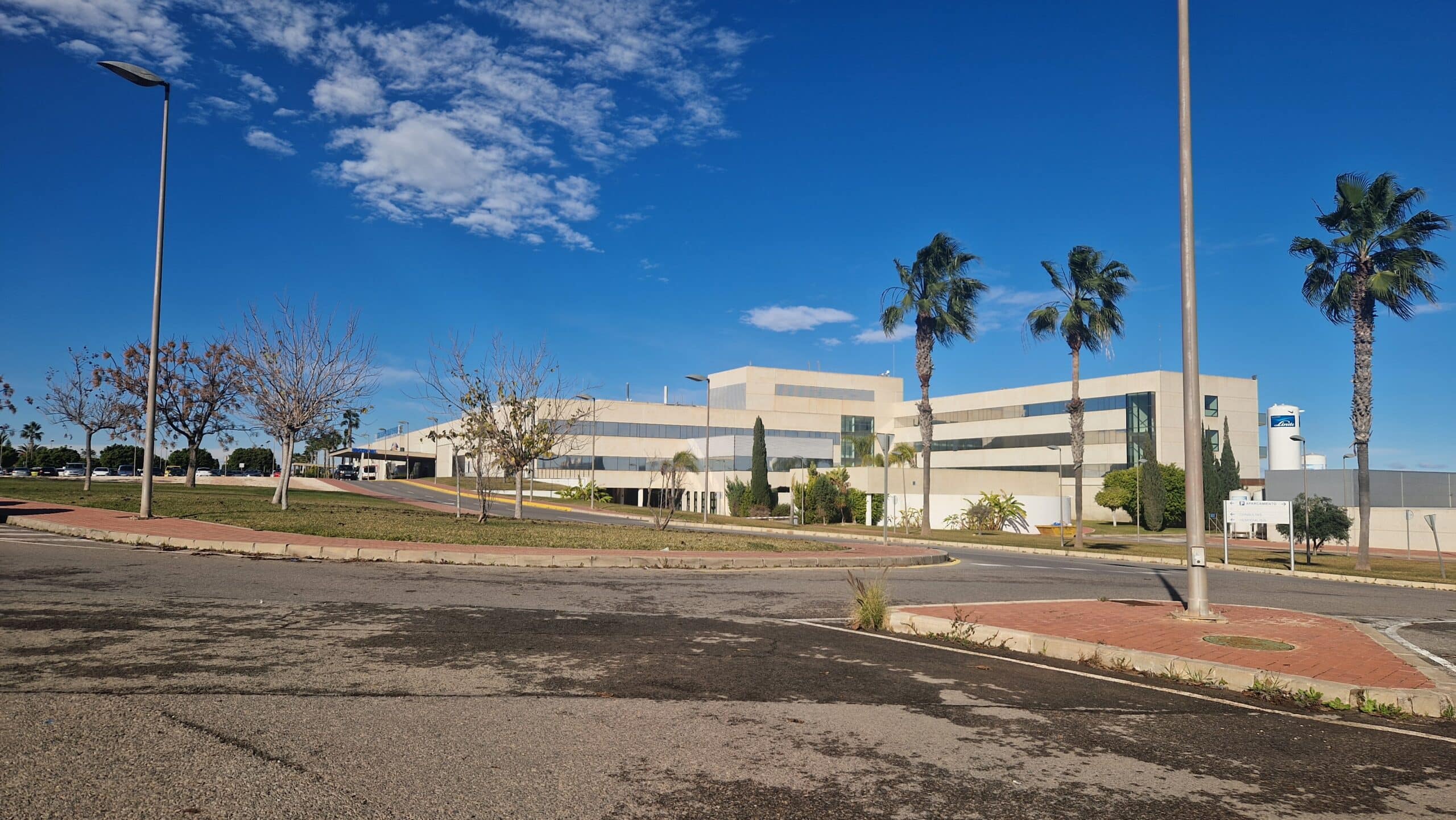
Torrevieja’s PP-led government says the project has been awaiting approval for more than 20 years and would provide land for an extension to Torrevieja Hospital. It could also allow around 800 metres of the CV-95, between the hospital roundabout and La Veleta, to be widened.
The developer previously supplied the land on which the existing hospital was built in the early 2000s. That agreement reportedly linked subsequent planning procedures to the reclassification of the surrounding land.
Progress was halted in 2018 when the Valencian Government placed approximately half the proposed development area under PATIVEL protection. However, that higher level of protection was subsequently overturned following a legal challenge by the landowner.
The dispute therefore leaves the council facing a difficult choice between securing land for public infrastructure and protecting one of Torrevieja’s most environmentally sensitive areas.