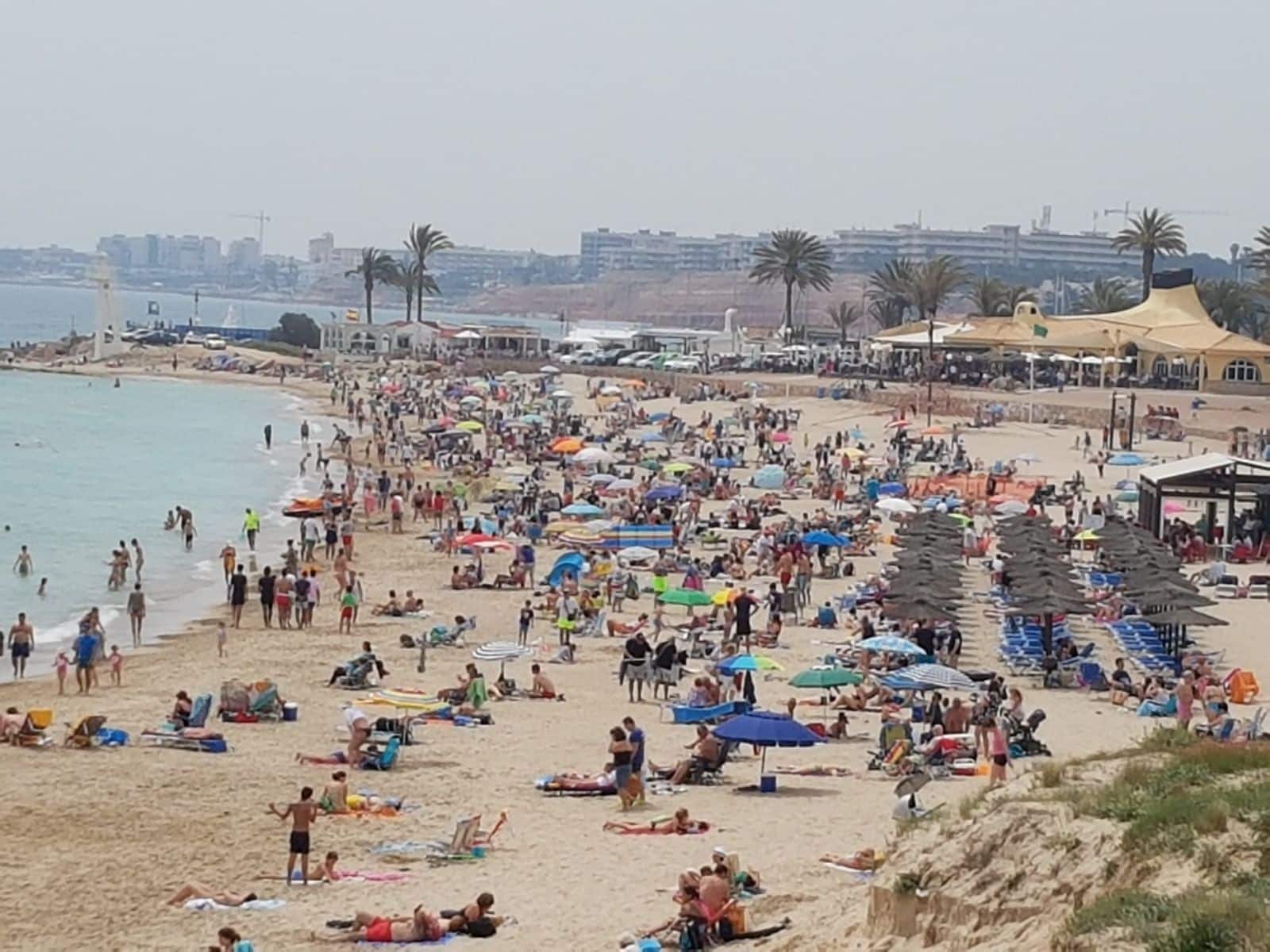
Summer on the Costa Blanca brings a rhythm most residents look forward to all year. Long days by the water, early evening walks along the promenade, and lazy afternoons at the pool become part of daily life rather than a holiday treat. But the habits that work fine for a two week trip abroad don’t always hold up over a full Mediterranean summer. A few small adjustments can make the season more comfortable, and in some cases, safer.
Sunscreen: More Often Than You Think
Most people apply sunscreen once in the morning and assume they’re covered for the day. On the Costa Blanca, where UV levels stay high well into the evening between May and September, that single application rarely lasts. Sweat, sea water, and pool chemicals all break down sunscreen faster than manufacturers’ labels suggest under milder climates.
A better habit is reapplying every two hours when outdoors, and immediately after swimming, regardless of whether the bottle says “water resistant.” It’s also worth switching to a higher SPF than you might use back home. Many long-term residents find that SPF 30 doesn’t offer enough protection through a full Spanish summer and move up to SPF 50, particularly for the face and shoulders.
Hydration Beyond Just Water
Heat and humidity along the coast increase fluid loss even when you don’t feel especially thirsty. Plain water helps, but it doesn’t replace the electrolytes lost through sweating during long beach days. Adding a pinch of salt to water, eating water-rich fruit like watermelon and cucumber, or keeping an electrolyte sachet on hand can prevent the mid-afternoon headaches and fatigue that catch a lot of newcomers off guard during their first proper summer here.
Rethinking Food Storage at the Beach
Picnics and beach lunches are part of the culture, but food left out in direct sun for even twenty minutes can spoil faster than people expect. A basic cooler bag with an ice pack goes a long way, and it’s worth being stricter than usual about how long mayonnaise-based dishes, seafood, or dairy sit unrefrigerated. Local pharmacies and supermarkets sell inexpensive insulated bags specifically for this, and they’re a small investment that prevents a ruined afternoon.
Eye Care During Beach and Pool Season
One habit that often gets overlooked is how contact lens wearers manage their eyes during weeks of swimming, sand, and sun. Chlorine, salt water, and sunscreen residue can all irritate the eyes, and lenses worn for longer stretches accumulate these irritants more than most people realise. This is where a lot of expats and regular visitors start paying closer attention to what they’re actually wearing in their eyes each day.
Daily disposables are the obvious solution for some, but they’re not always practical for people who wear lenses every day through a long summer, both for cost and convenience reasons. This is why many contact lens wearers switch to weekly contact lenses for the season instead. A fresh pair every seven days strikes a reasonable balance between hygiene and cost, and it means less handling and cleaning during a period when hands are covered in sand, sunscreen, and pool water more often than usual.
For those who prefer slightly longer wear between replacements, 2 weekly contact lenses are another common choice, offering a bit more flexibility without pushing wear time too far. Some brands market these as two week contact lenses, and the terminology can vary depending on where you’re shopping, but the idea is the same: a shorter, more frequent replacement cycle than monthly lenses, which suits the extra strain that beach and pool conditions put on the eyes.
Popular options in this category include the acuvue oasys 2 weekly range, which many opticians recommend specifically for people who swim regularly, since the material is designed to retain moisture better than older lens types. Others opt for fortnightly contact lenses more generally, replacing them every two weeks regardless of brand. Whatever the choice, the key habit worth adopting is simply replacing lenses on schedule rather than stretching wear time through the summer months, when the eyes are under more pressure than usual from sun, chlorine, and salt.
It’s also worth rinsing eyes with clean water after swimming, even with goggles on, and avoiding sleeping in lenses after a long beach day, no matter how tired you are.
Footwear on Hot Pavement
Flip flops feel like the obvious summer choice, but pavement and sand can reach temperatures that cause real discomfort or minor burns by midday. Many long-term residents keep a pair of proper sandals with better sole thickness for walking any distance, saving the flimsier flip flops for short trips to the water’s edge.
Timing Activities Around the Heat
Visitors often try to fit in a full day of activity the way they might at home, but the Costa Blanca’s midday heat, especially in July and August, makes that approach exhausting. Locals tend to front-load their day: beach or exercise in the morning, indoors or shaded activities from around 2pm to 5pm, then a second wind in the early evening when temperatures drop and the promenades fill up again. Adopting this rhythm rather than fighting it makes the whole season more enjoyable.
Small Changes, Better Summers
None of these adjustments require a big lifestyle overhaul. Reapplying sunscreen more often, rethinking hydration, being stricter about food storage, paying attention to eye care habits like switching to weekly contact lenses during peak swimming months, and timing the day around the heat rather than against it all add up over a full season. For anyone spending their first extended summer on the Costa Blanca, these are the habits worth building early, before the heat makes the lesson harder to learn.