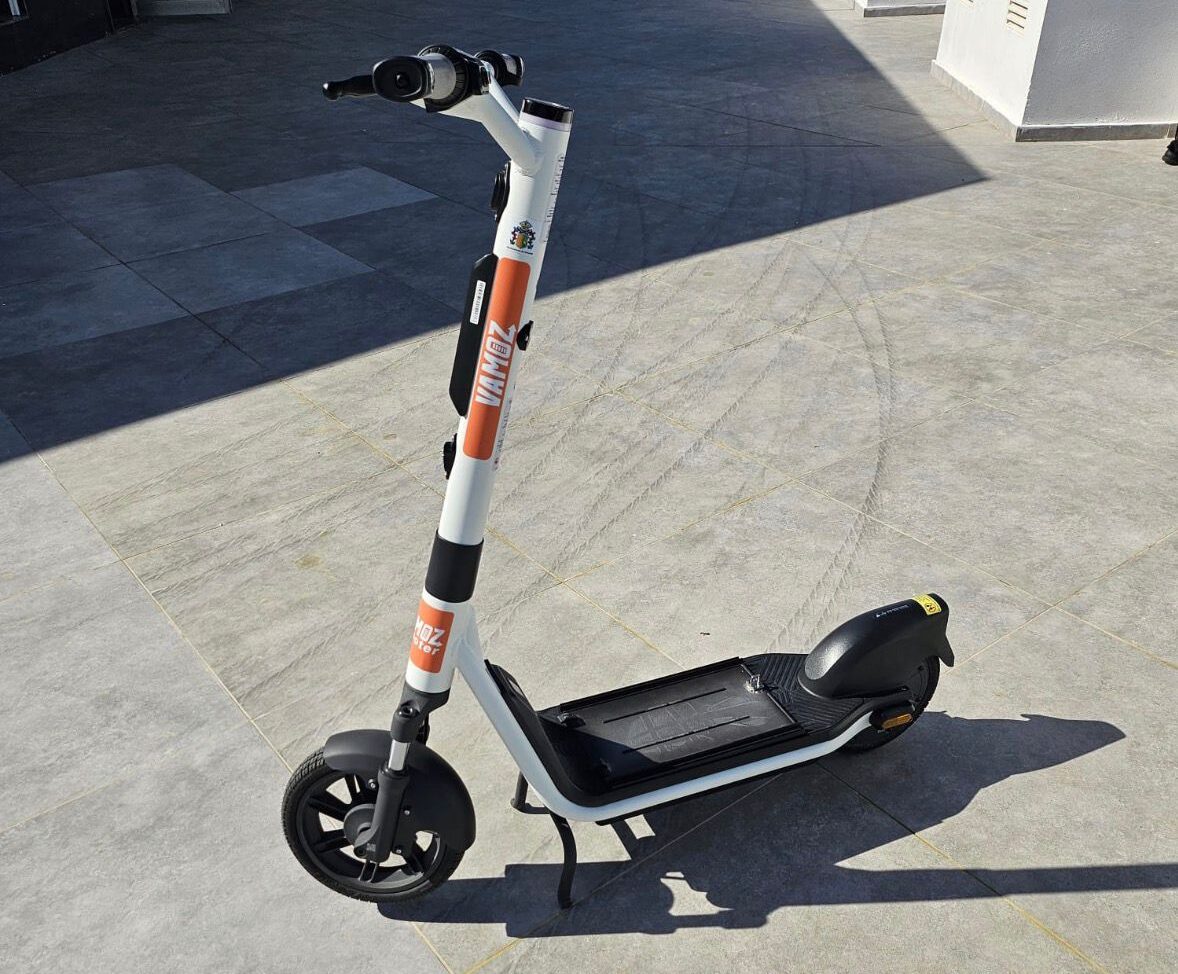
Orihuela Costa’s electric scooter services are undergoing a major change after the long-standing operator Hopp was disqualified from the municipal tender to regulate scooter rentals in the area. The company had operated on the coast for six years, providing residents and visitors with a popular transport alternative for short journeys in an area where public transport options are often limited.
Hopp’s exclusion from the tender was not due to safety concerns or operational issues but a technical error in its application. Reports indicate that a required administrative document was placed in the wrong envelope when the bid was submitted. Under Spain’s strict public procurement rules, such mistakes cannot be corrected once the process begins, leading to the company’s disqualification.
During its years of operation, Hopp became widely used for commuting, shopping trips and local travel. The company says it also contributed to the community through local tax payments and by organising self-funded road safety classes for schoolchildren. Its disqualification has affected around 15 local jobs and left regular users without a familiar mobility option.
Following the tender process, Orihuela City Council awarded the contract to MGC Clean Energy SL, a small limited-liability company based in Los Montesinos (Alicante). Formed in February 2022, the firm is focused on vehicle rental and mobility services. Corporate records list Chabo Gaby as its sole owner and administrator.
Under the new concession, the company will operate the electric scooter service across Orihuela Costa for four years. One of the key features of the new regulated system is the installation of around 190 designated parking areas across the coastal district. These zones are intended to prevent scooters from being left randomly on pavements or blocking pedestrian routes.
City officials say the regulated framework will improve safety and ensure better organisation in public spaces, particularly in busy tourist areas. Scooters operating under the contract will display the official emblem of Orihuela City Council, making them easily identifiable as part of the authorised system.
The technology behind the service will also enforce proper parking. Scooters left outside approved zones will automatically begin to drain their batteries, encouraging users to return them to designated areas before ending their trip.
The concession agreement requires the operator to pay the municipality an annual fee of €41,200 for the use of public space. At the end of the four-year contract period, ownership of the scooter fleet will transfer to the city council, allowing the municipality to either manage the service itself or launch a new tender.
Municipal authorities say the initiative aims to balance sustainable mobility with responsible use of public space. Electric scooters have become increasingly common in cities across Spain and Europe as a low-emission alternative to short car journeys and a way to reduce congestion.
Despite the rollout of the new system, Hopp’s disqualification remains controversial among some residents. The company has launched a public campaign urging users to support a petition asking the council to reconsider its exclusion from the tender, which has already attracted hundreds of signatures.
Meanwhile, the new regulated scooter service is being introduced gradually as parking zones are installed and the fleet is deployed across Orihuela Costa, replacing the previously unregulated system that allowed multiple operators to run services without a formal municipal framework.