Motorcyclists using the hard shoulder to bypass traffic jams on Torrevieja’s N-332 bypass still face €200 fines, despite new rules allowing the manoeuvre on specifically authorised stretches of road.
The revised regulations, which came into force on 1 October, permit motorcycles to use the right-hand hard shoulder when traffic has stopped because of congestion. However, the exemption applies only to sections approved and signposted for that purpose. Riders must travel in single file, remain below 30 km/h and avoid obstructing other road users.
The Torrevieja bypass has not been authorised or marked for motorcycle use of the shoulder. Consequently, Guardia Civil traffic officers will continue to penalise riders who use it to pass queues.
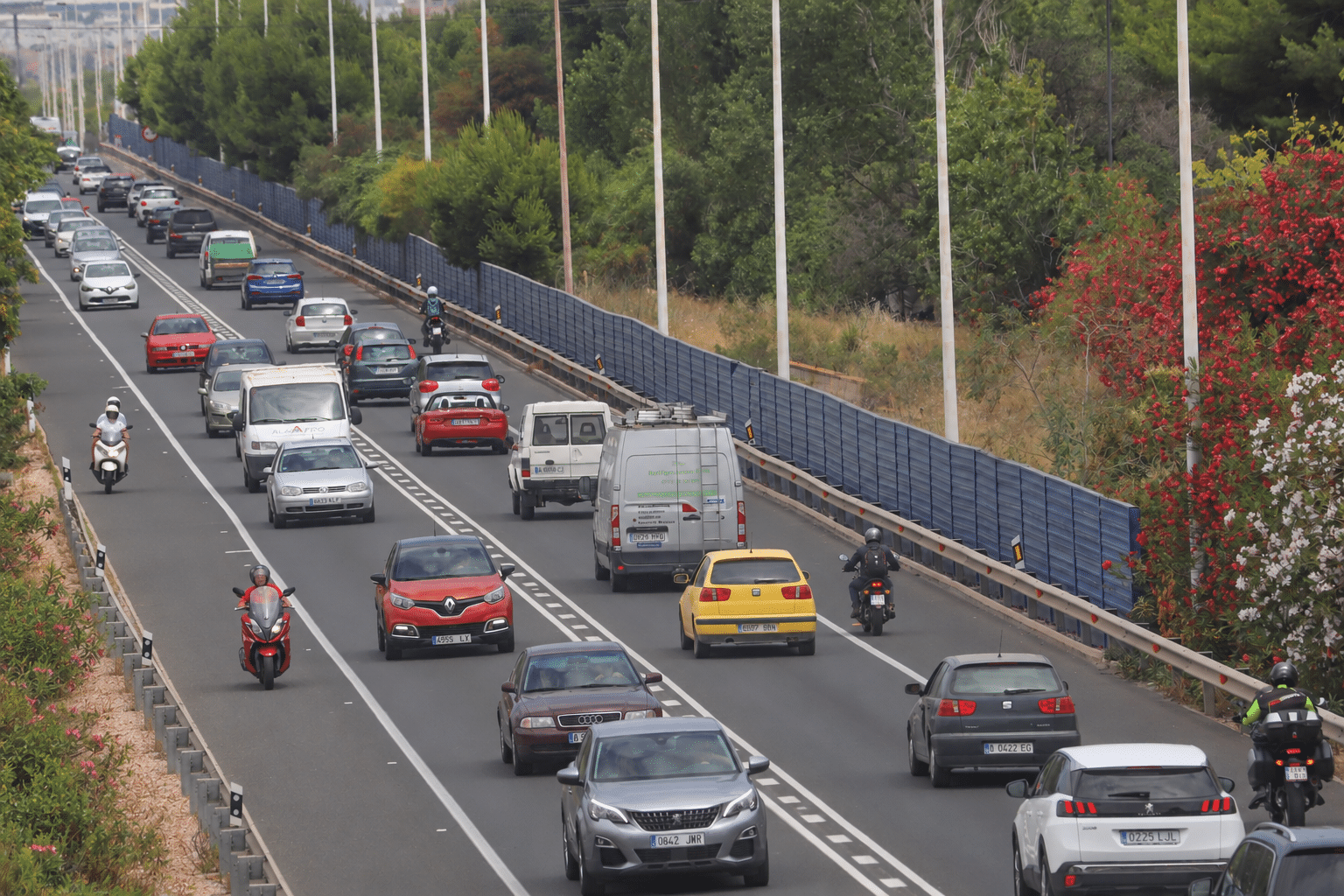
The restriction affects one of the area’s most congested roads. The bypass carries up to 55,000 vehicles on peak August days, despite having just one lane in each direction. Queues are common throughout the year, particularly between the CV-95 bridge and the Parque de las Naciones exit.
Although many local drivers avoid the road for short journeys across Torrevieja, some motorcyclists use its broad shoulders to get past stationary traffic. The availability of space, however, does not make the manoeuvre legal.
Torrevieja’s councillor for Traffic and Safety, Federico Alarcón, said that responsibility for the necessary signage rests with the state, as the approximately eight-kilometre bypass is a national road, even though much of it passes through residential areas.
Alarcón said the initiative to authorise shoulder use should come from the Guardia Civil’s Traffic Division or the national highways authority. He compared the process with previous measures introduced on the bypass, including restrictions on overtaking and flashing warning lights intended to reduce rear-end collisions.
The council continues to press for the road to be widened, a longstanding demand aimed at relieving persistent congestion.
Under the new regulations, authorised sections must have both fixed roadside signs and road markings. Approval requires agreement between the road owner and the relevant traffic authority.
For riders on the N-332, the message remains clear: a traffic jam alone does not permit use of the hard shoulder. Until the bypass receives the required authorisation and signage, motorcyclists who use it to jump queues risk a €200 penalty.