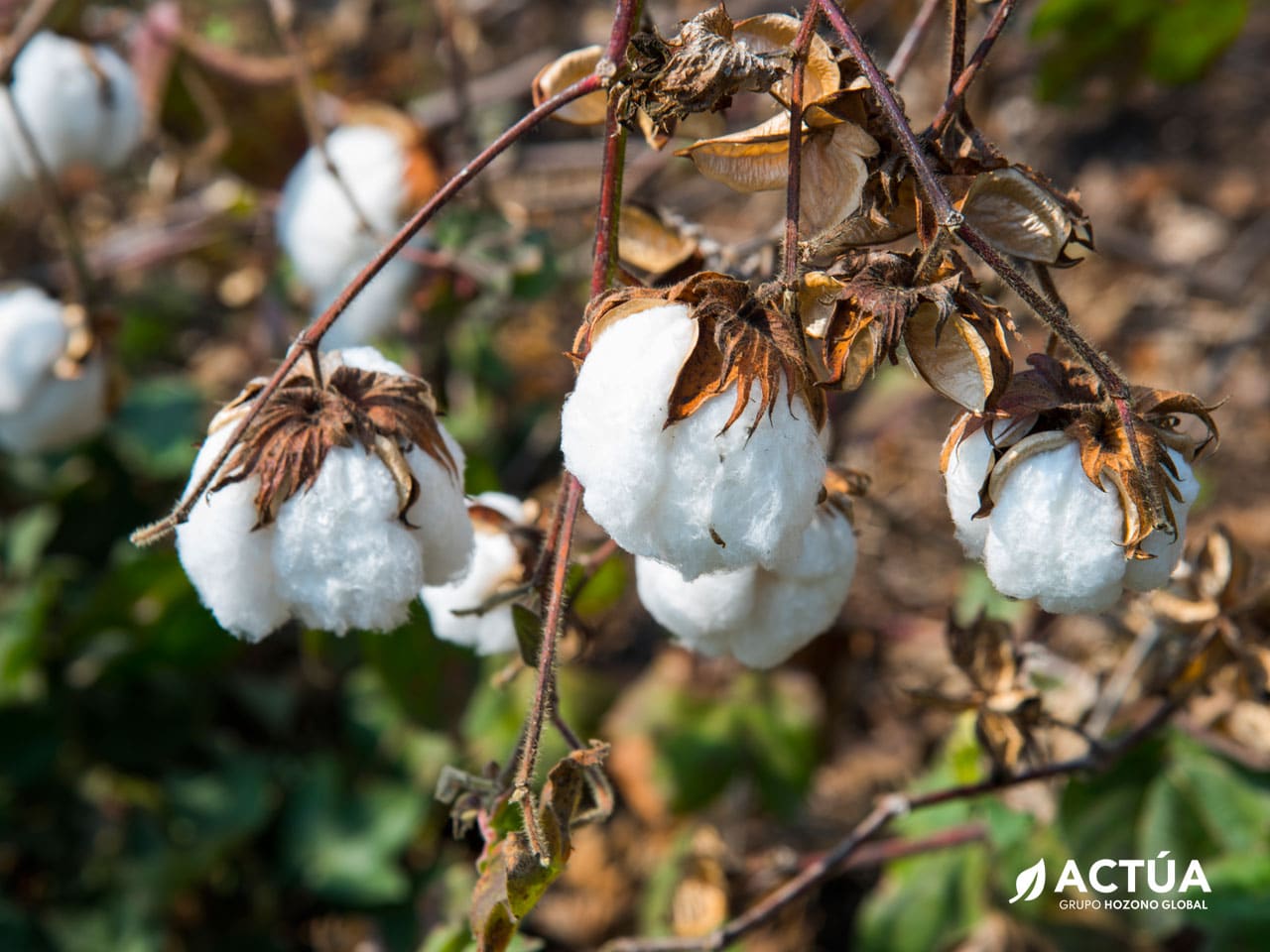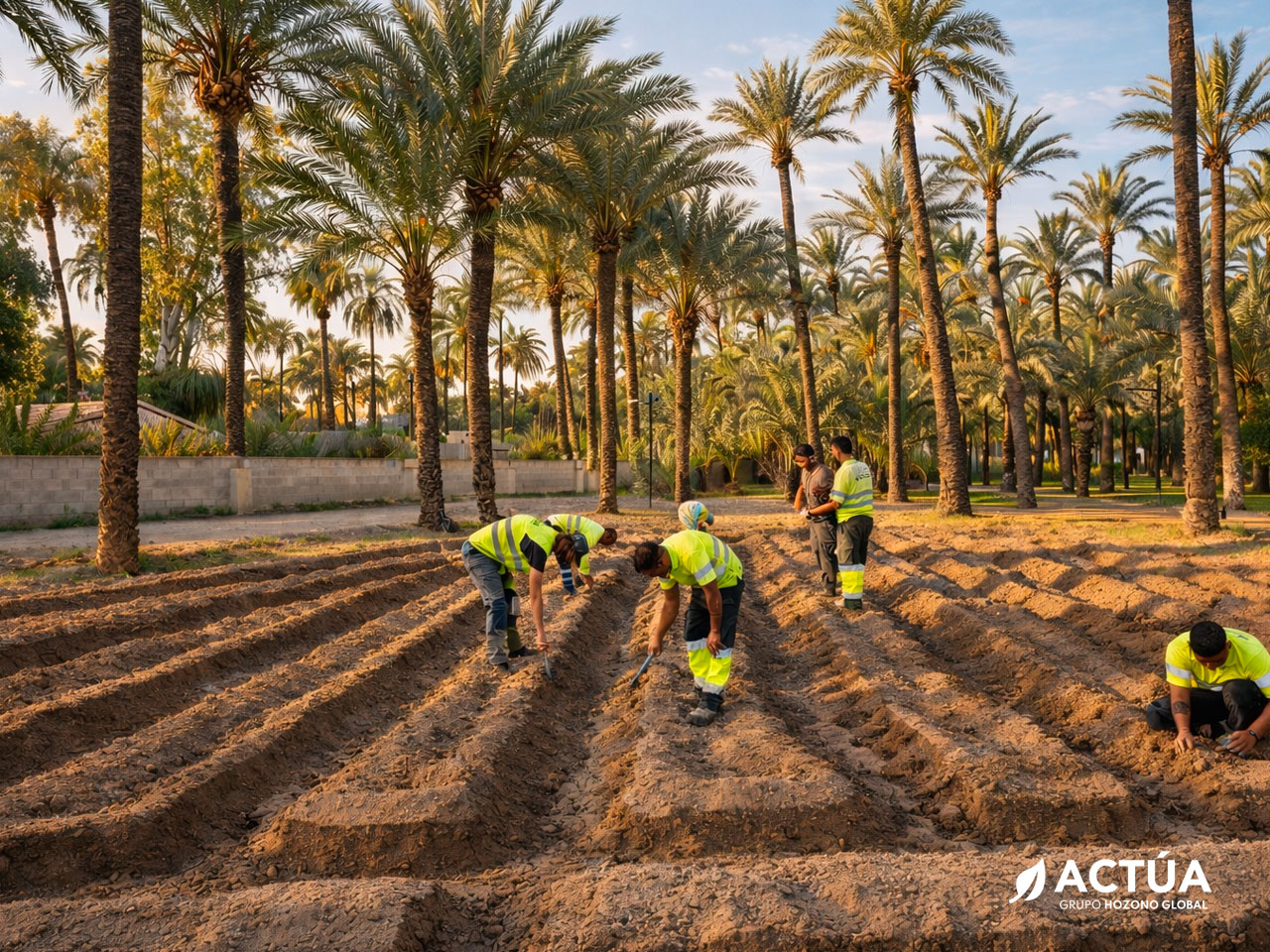
Cotton is once again growing in the Orihuela Palm Grove, thanks to an initiative by Actúa, the company managing the historic green space since 2021. The small plantation aims to revive a traditional agricultural practice while highlighting the grove’s historical and environmental significance. The Palm Grove is part of the European Network of Historic Gardens and is recognized as a Site of Cultural Interest.
The project is largely symbolic, designed to demonstrate how the traditional agricultural system of the Orihuela Palm Grove, of Andalusian origin, functioned. This system relied on a three-tiered cultivation model that maximized water and soil efficiency. At the top, date palms provided shade, fruit, and protection from the sun, creating a humid microclimate—an increasingly valuable feature amid rising temperatures and reduced rainfall.
The second layer included fruit trees such as pomegranate, fig, and orange, which offered shade and additional agricultural output. At the ground level, market garden crops—including cereals and cotton—thrived in the moist soil. This vertical integration allowed for centuries of sustainable productivity in a semi-arid environment.
Cotton was introduced more systematically in the Vega Baja del Segura region during the 19th century, complementing crops like hemp, corn, and vegetables. It became a key part of the local economy from the mid-19th century through the 20th, peaking during the post-war period before declining in the 1960s and 70s.
Actúa stresses that this revival aligns with best practices in active conservation and sustainable management, aimed at preserving the Palm Grove in the face of climate change and other threats. Spanning 600,000 square meters and home to over 9,000 palm trees, the Orihuela Palm Grove is the second-largest in Europe and a defining symbol of the city’s heritage and landscape.