Orihuela City Council has taken a decisive step towards allowing more tourist and residential development on the coast by backing the rezoning of land previously reserved for private healthcare, social and administrative facilities.
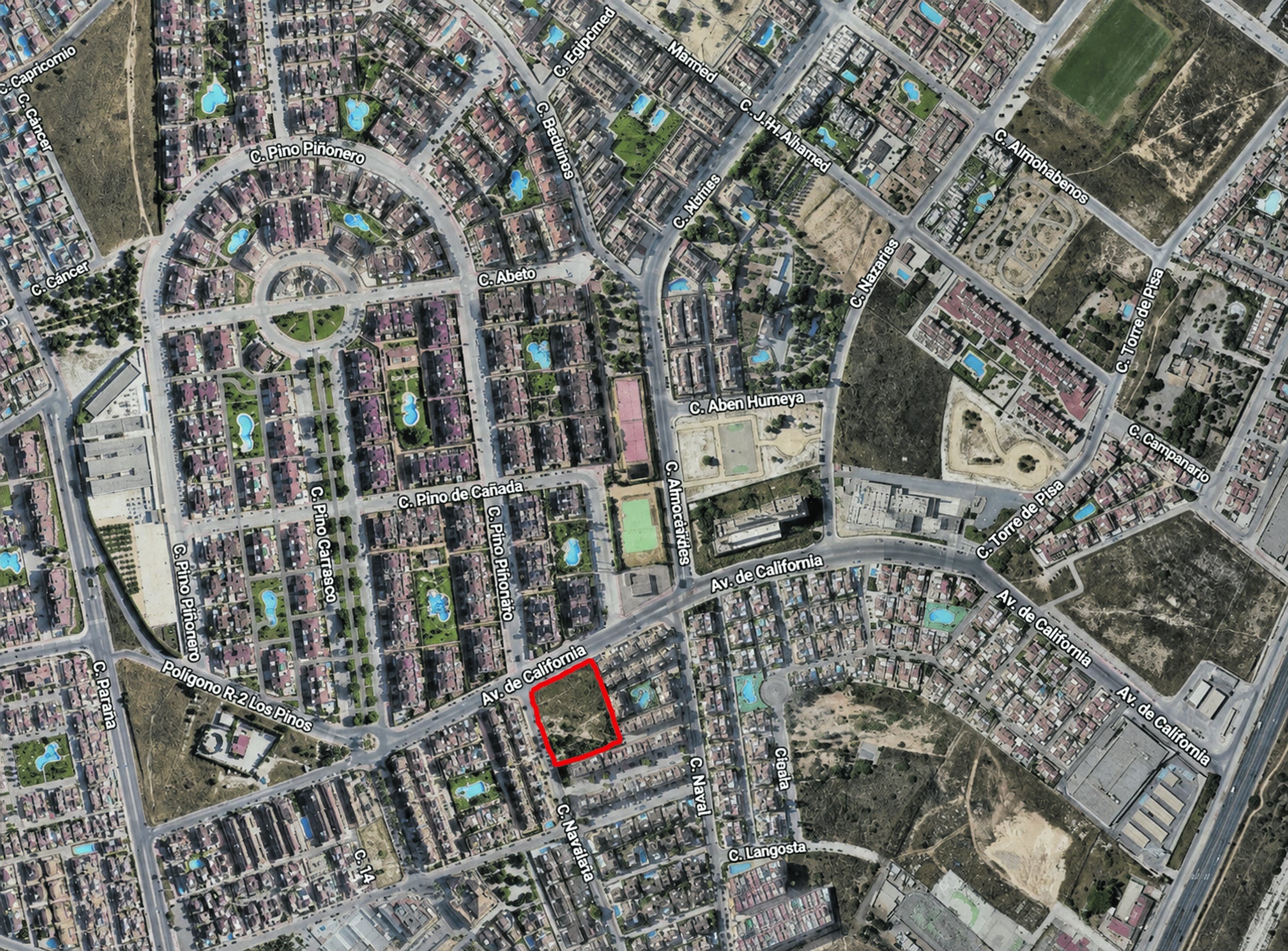
The proposal affects two undeveloped plots in the Horizonte residential area, close to the planned Las Vistas development at Cala Mosca. Together, the sites cover 2,188 square metres and form part of the Sector I-1 Citrus Partial Plan.
Both plots are currently designated for private social, healthcare and administrative purposes. However, developer Costa Mar Torrevieja Internacional wants the planning rules changed to permit a much wider range of commercial and residential activity.
The company’s application could allow the land to be used for hotels, shops, offices, sports and leisure facilities, specialist businesses—or additional housing.
Orihuela’s favourable environmental assessment does not represent final approval, but it clears a major obstacle and allows the controversial planning change to advance.
Developer Cites the Coast’s “Tourist Reality”
The developer argues that the existing designation no longer reflects the “tourist and residential reality” of Orihuela Costa.
The coastal district already contains approximately 30,000 homes, around 70 per cent of which are classified as second residences. Despite the enormous volume of existing development, the application maintains that the plots should be opened to further commercial and residential use.
Reports prepared by the municipal architect and environmental technician have accepted that argument and endorsed the proposed change.
The decision is likely to fuel criticism that Orihuela Costa continues to be viewed primarily as an opportunity for property development, despite longstanding complaints about inadequate public infrastructure, healthcare provision and municipal services.
Residents’ Objections Dismissed
Local objectors warned that changing the planning designation would cause the permanent loss of land capable of accommodating valuable healthcare or social facilities.
They argued that the application failed to demonstrate that such services were no longer needed and claimed that the commercial interests of a private developer were being placed ahead of the wider public interest.
Municipal officials rejected those objections, accusing residents of making a “fundamental conceptual error” by failing to distinguish between publicly owned facilities and privately operated services.
According to the council’s technical reports, the plots were never part of Orihuela’s compulsory network of public amenities. Although the existing designation could accommodate a private clinic, medical practice or social facility, the land was not reserved for a publicly managed health centre, school or other essential municipal service.
Officials therefore concluded that rezoning the sites would not reduce the legally required level of public provision in the area.
Uses “Expanded”, Not Removed
The City Council also insists that healthcare, social and administrative uses are not being eliminated. Instead, it says the planning rules are being made more “flexible” by adding compatible commercial and residential uses.
In theory, the plots could still be developed as private healthcare or social facilities. In practice, however, the developer’s year-long campaign to secure residential permission has intensified suspicions about what will ultimately be built.
Council technicians deny that the decision could trigger an indiscriminate conversion of public-service land into housing, stressing again that the affected plots are privately owned and do not form part of the statutory public amenities network.
Nevertheless, the proposal presents a familiar and controversial picture for Orihuela Costa: land originally identified for services moving steadily closer to residential development.
Final planning permission has not yet been granted, but the council’s environmental approval means the transformation of the two plots—and the prospect of still more accommodation on an already heavily developed coastline—has moved significantly nearer.