The failure of several Vega Baja municipalities to secure approved earthquake emergency plans is increasingly difficult to defend, particularly following recent earthquakes in Granada and major seismic disasters overseas.
Earthquakes cannot be predicted with certainty, but their consequences can be reduced through preparation. In one of the Valencian Community’s most vulnerable seismic zones, leaving residents without clearly established evacuation routes, assembly points and emergency procedures represents a serious failure of local responsibility.
Official figures from the Valencian Agency for Security and Emergency Response show that four Vega Baja municipalities—Torrevieja, Guardamar del Segura, Redován and San Isidro—do not currently have fully approved Municipal Action Plans for Seismic Risk.
The situation is especially concerning because these municipalities face predicted seismic intensities of between 8.5 and 9.5, among the highest anywhere in the Valencian Community.
San Isidro has reportedly completed its document but is awaiting official approval. Guardamar says it submitted its plan in 2023, although it continues to appear on the regional agency’s list as lacking an approved plan.
Although the Valencian Security Agency’s records indicate that Torrevieja does not have an approved seismic emergency plan, the council says it submitted the document in 2023 and has since organised several exercises.
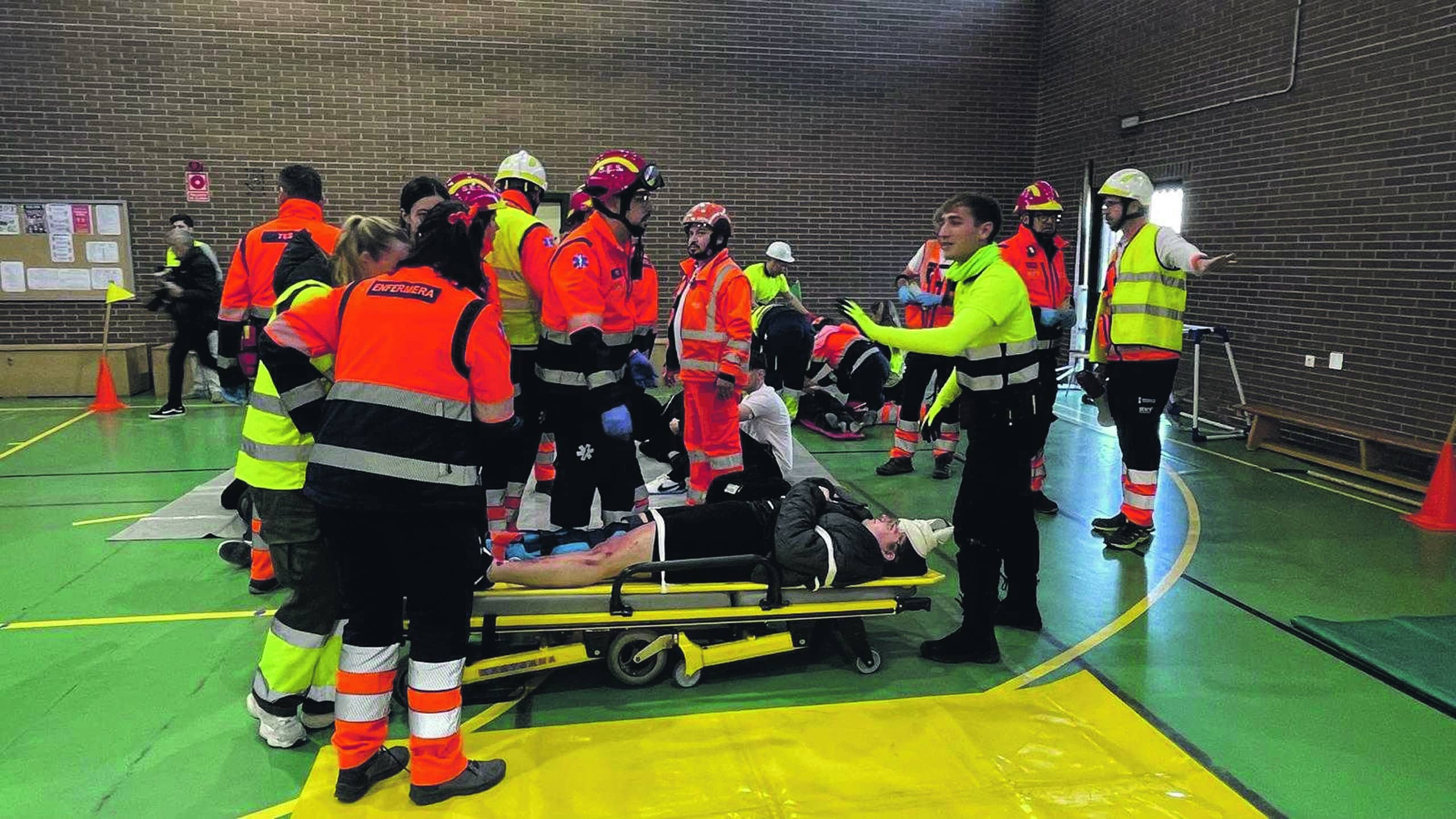
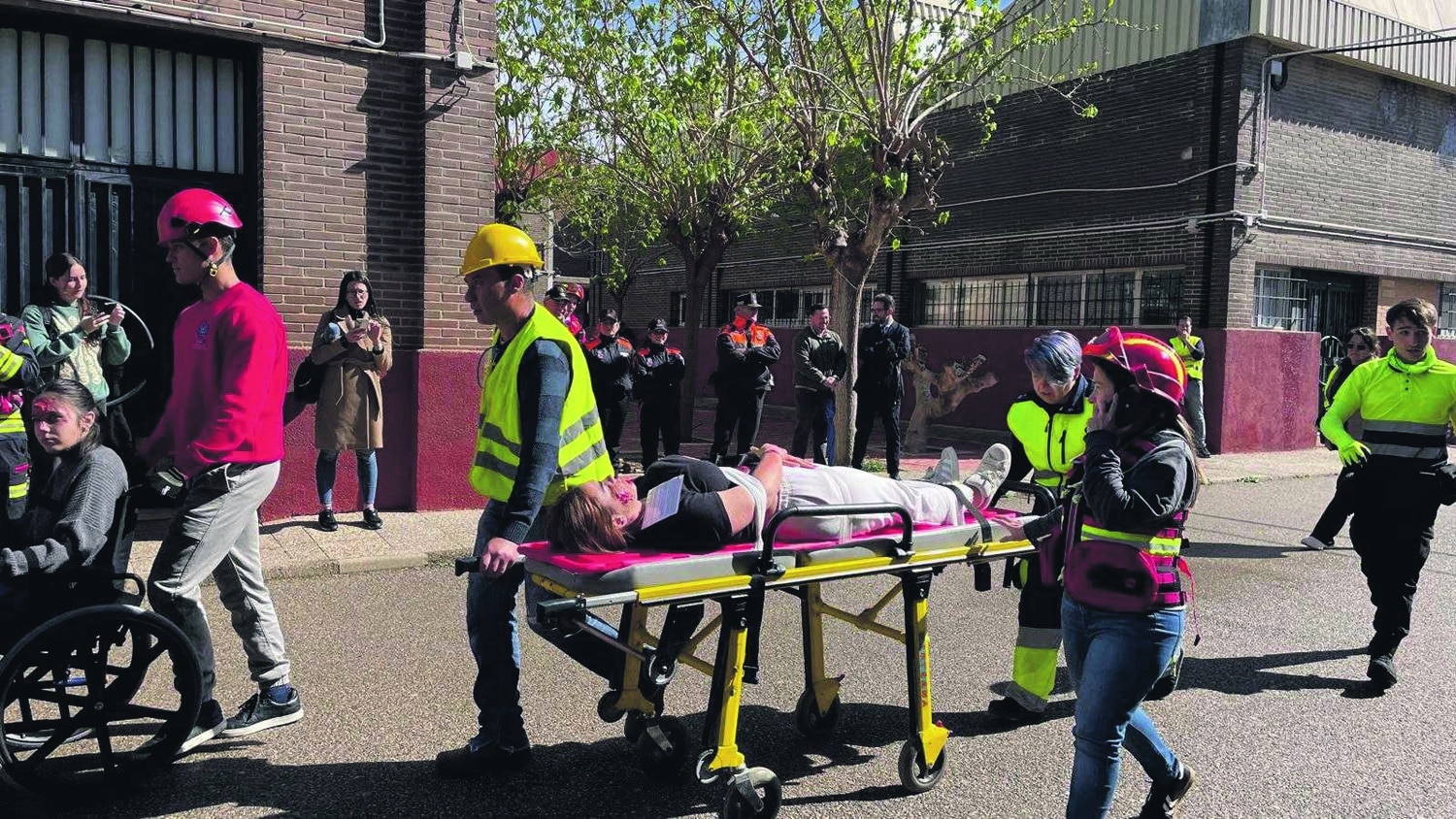
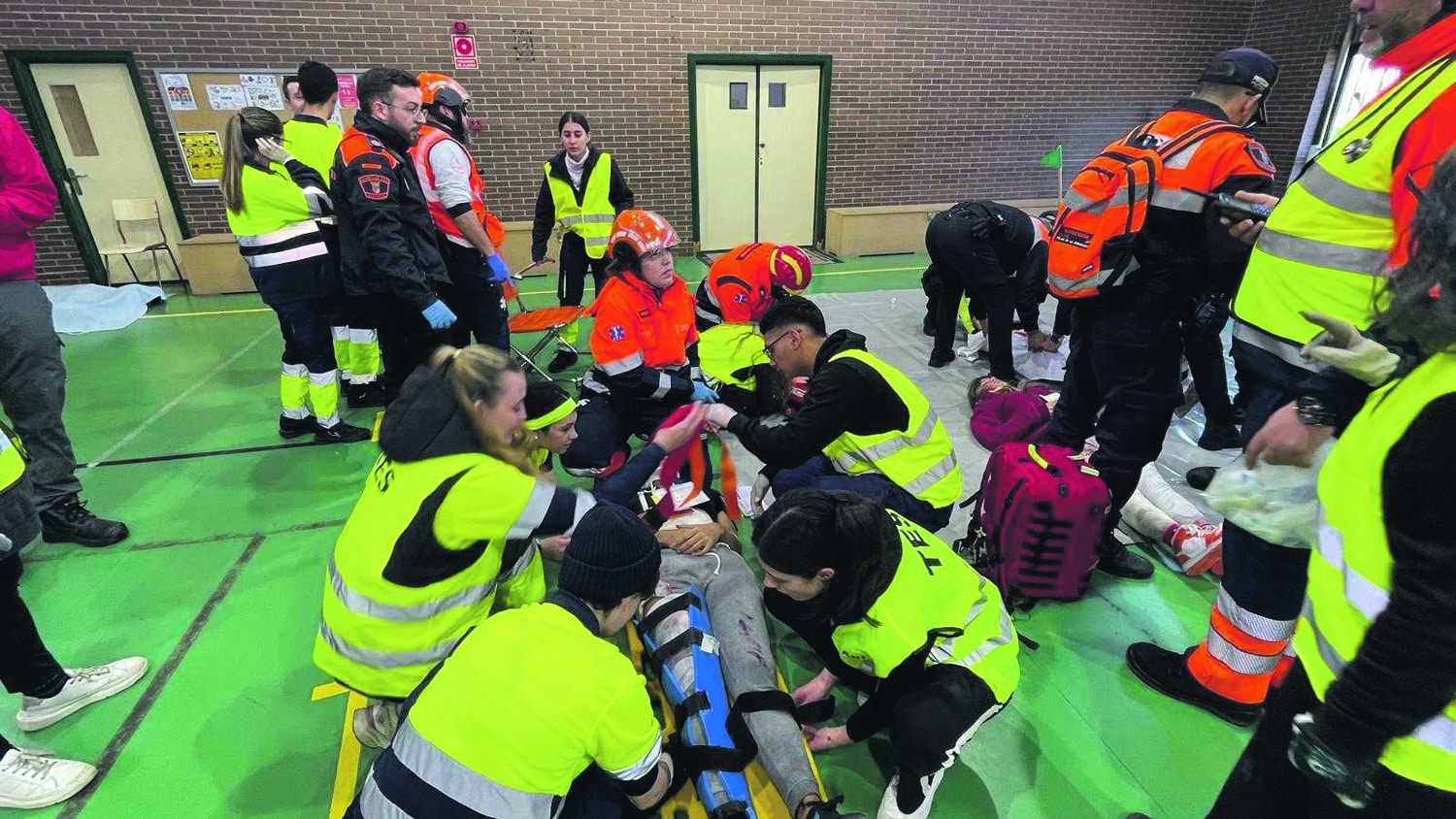
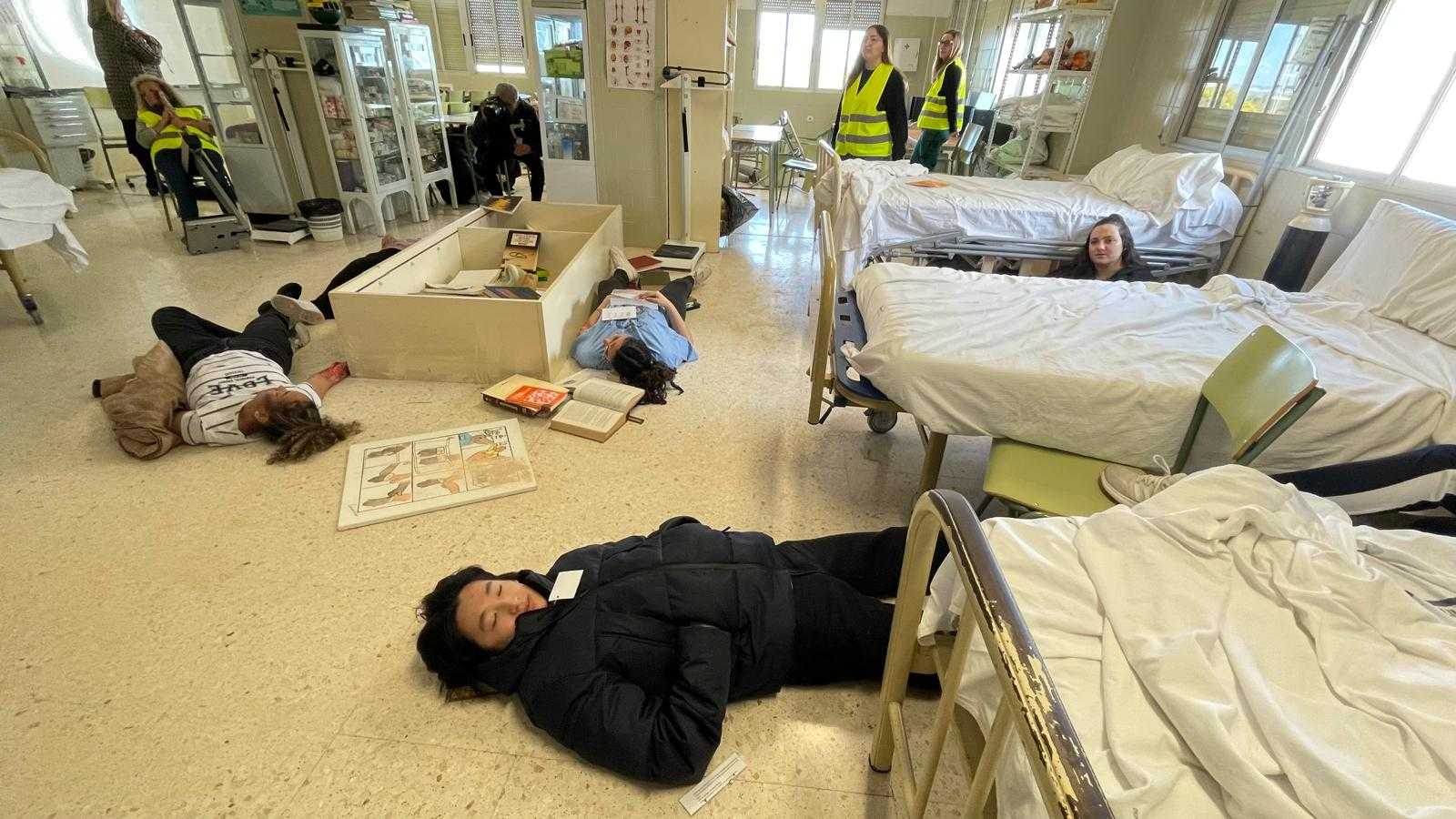
The most recent was a major earthquake and tsunami drill in March 2026 involving more than 350 participants, rescue helicopters, drones, specialist units and a firefighting aircraft.
However, in the last dozen or more years, no comparable earthquake evacuation exercise can be found for neighbouring Orihuela Costa
Orihuela has approved general, flood and beach emergency plans and publishes a separate seismic-risk plan. Its most recent major exercise was a flood-response simulation in September 2025, centred on CECOPAL coordination and an evacuation in Desamparados. Despite Orihuela Costa’s large population and extensive development, no comparable public earthquake or tsunami evacuation drill can be identified for the coastal area.
Spain’s Highest-Risk Area
The Vega Baja is not simply an area where earthquakes are theoretically possible. It is identified as the centre of the greatest seismic danger in Alicante province.
Torrevieja, Los Montesinos, Rojales and Benijófar were listed in the Valencian Community’s 2011 earthquake emergency plan as facing the region’s highest overall risk.
That assessment considered not only the probability and potential strength of an earthquake, but also the likely consequences for residents, buildings, roads, utilities and other essential infrastructure.
A municipal seismic plan is intended to prevent confusion during the critical minutes and hours after a major tremor. It establishes who takes command, how emergency services are coordinated, which roads are used for evacuation and where residents should gather.
It should also set out procedures for warnings, rescue operations, temporary accommodation and assistance for vulnerable residents.
Without such planning, authorities risk attempting to make life-or-death decisions in the middle of a disaster.
Recent Tremors Reinforce Warning
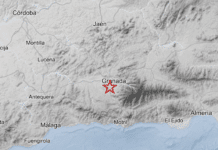
Earthquakes in Granada and destructive seismic events in countries including Venezuela and Colombia have again demonstrated how quickly normal life can descend into chaos when the ground begins to move.
Although the Granada tremors were less severe than some recent international disasters, they provided another reminder that earthquakes are not distant events confined to other continents.
For the Vega Baja, the threat is even more immediate because of the region’s well-documented seismic history.
Of 327 Valencian municipalities legally required to prepare a seismic emergency plan, 34 towns and the city of Valencia remain without an approved document. Sixteen have submitted plans and are awaiting approval, while four others are drafting theirs. Some councils have apparently not even begun the process.
The responsibility for commissioning a plan rests with each municipality. Once completed, it must be submitted to the regional authorities to ensure it satisfies the required standards.
Financial assistance is available from the Valencian Government, making prolonged delays even harder to justify.
Devastating Historical Warning
The consequences of a major Vega Baja earthquake are not hypothetical.
On March 21, 1829, a catastrophic earthquake devastated the region, killing almost 400 people. With an estimated intensity of IX–X, it remains one of the most destructive earthquakes documented on the Iberian Peninsula.
Torrevieja, Guardamar, Almoradí and Benejúzar were almost completely rebuilt. Orihuela and Rojales also suffered extensive damage.
The disaster was preceded by hundreds of tremors over more than a month, described by contemporary historians as a seismic “storm”.
Architect José Agustín de Larramendi redesigned Almoradí and Guardamar with wider streets, lower buildings and layouts intended to reduce the damage caused by future earthquakes. Benejúzar was moved to a new location farther from the River Segura.
Those decisions made almost two centuries ago continue to shape the towns today.
Drills Are Welcome—but Plans Are Essential
Guardamar has organised several emergency exercises, including a major earthquake and tsunami drill involving more than 350 participants, helicopters, drones, specialist units and a seaplane.
Such exercises are valuable, but they do not remove the need for an officially approved and publicly understood emergency plan.
Residents must know where to go, which routes to use and how official warnings will be communicated. Emergency services must also have a legally established command structure before disaster strikes.
In a region rebuilt following one of Spain’s deadliest earthquakes, authorities cannot claim they were unaware of the danger.
The threat is known, the legal requirement is clear and the planning support is available. Vega Baja’s remaining councils must complete the job before the next earthquake—not after it.