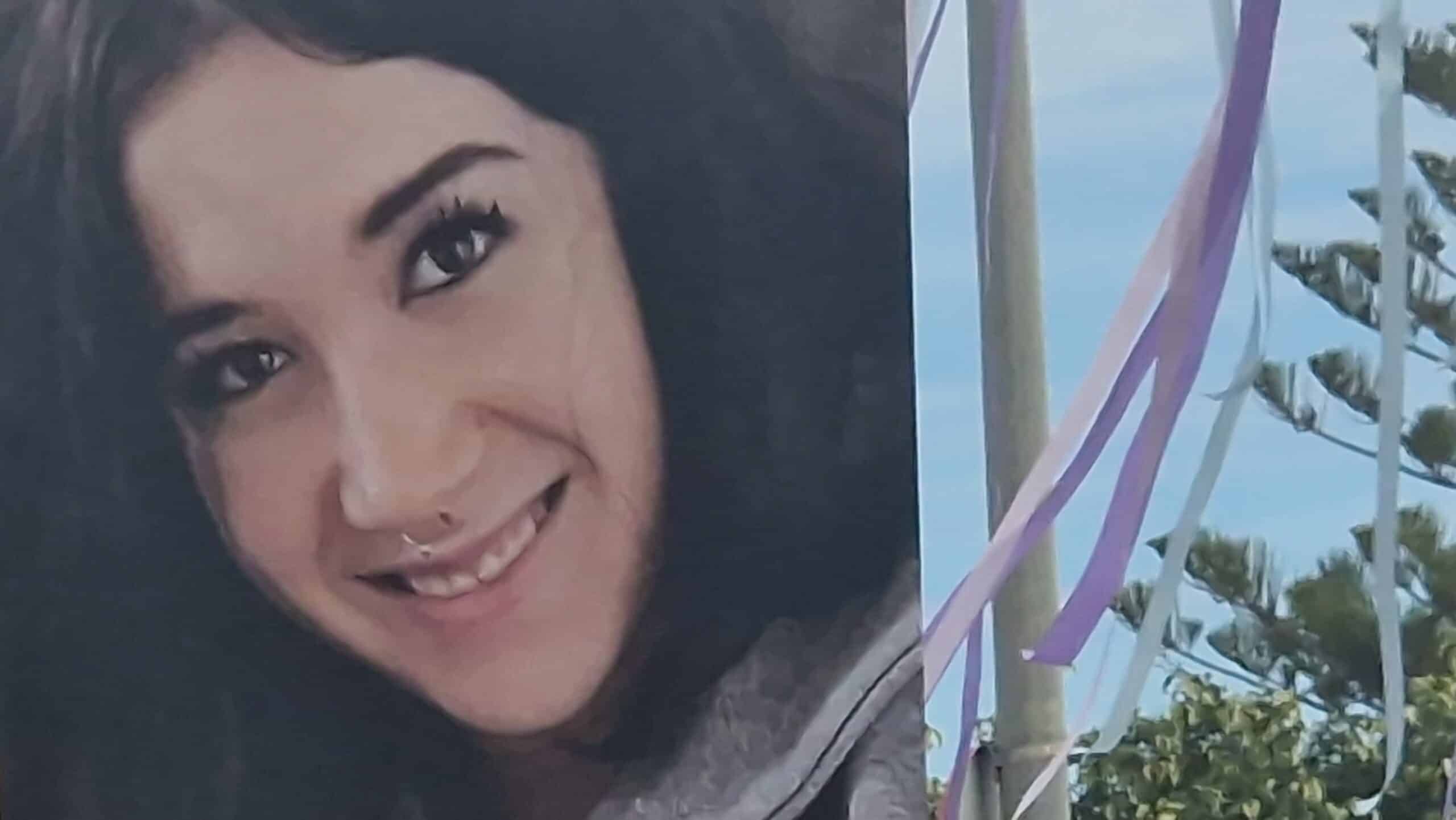
The courtroom in Alicante was heavy with tension and grief as two teenage boys, accused of murdering 15-year-old Cloe in Orihuela Costa, confessed this week that the brutal killing was no spontaneous act — it was planned. The revelation has shocked Spain and reignited national debate over youth violence and gender-based crimes.
The trial, held at the Benalúa Palace of Justice, began with both defendants admitting that they not only took part in Cloe’s death but also coordinated the crime. Prosecutors and the private accusation, representing Cloe’s family, are seeking the maximum penalty allowed under Spain’s juvenile law: just eight years in a closed detention center. Despite the confession, no plea deal was reached because prosecutors refused to reduce the sentence — even symbolically.
A Crime Planned in Cold Blood
According to testimony, the two teenagers, both under 17 at the time, plotted the murder weeks before carrying it out. One of them — Cloe’s ex-boyfriend — has now admitted to fabricating an elaborate cover-up story, falsely claiming that the killing was part of a “drug-related revenge” scheme. To make the lie more convincing, he even created anonymous threat letters — some written in Russian — warning that “you will be next.” These fake clues were meant to mislead investigators from the Guardia Civil and buy time.
His deceit not only hindered the investigation but also added to the pain of Cloe’s grieving family, who were forced to endure public speculation that their daughter was somehow linked to drugs. During the trial, the ex-boyfriend’s lawyer said that her client “invented everything” and has since “asked for forgiveness,” insisting he was “in shock” at the time.
A Courtroom Filled With Tension
From the start, the trial has been marked by high emotion. On the opening day, the defendants were escorted from their holding cells into the courtroom, their faces hidden beneath hoods and scarves. As they passed Cloe’s family in the corridor, the atmosphere grew explosive. “Now they’re ashamed of what they did,” one family member said bitterly, her voice trembling with rage.
Inside, both teens gave statements lasting over an hour. The courtroom was silent as they recounted — at times contradicting one another — how they had agreed to attack Cloe. The ex-boyfriend claimed he had been emotionally devastated by their breakup and persuaded his friend, a classmate of Cloe’s, to help him “teach her a lesson.” His accomplice, however, insisted he had been manipulated into participating and tried to minimize his role.
But the family’s lawyer, Juan Carlos Fuentes, dismissed their excuses. “They can argue about who influenced whom, but what is clear is that neither acted under coercion,” he said. “They planned it together, and neither chose to walk away.”
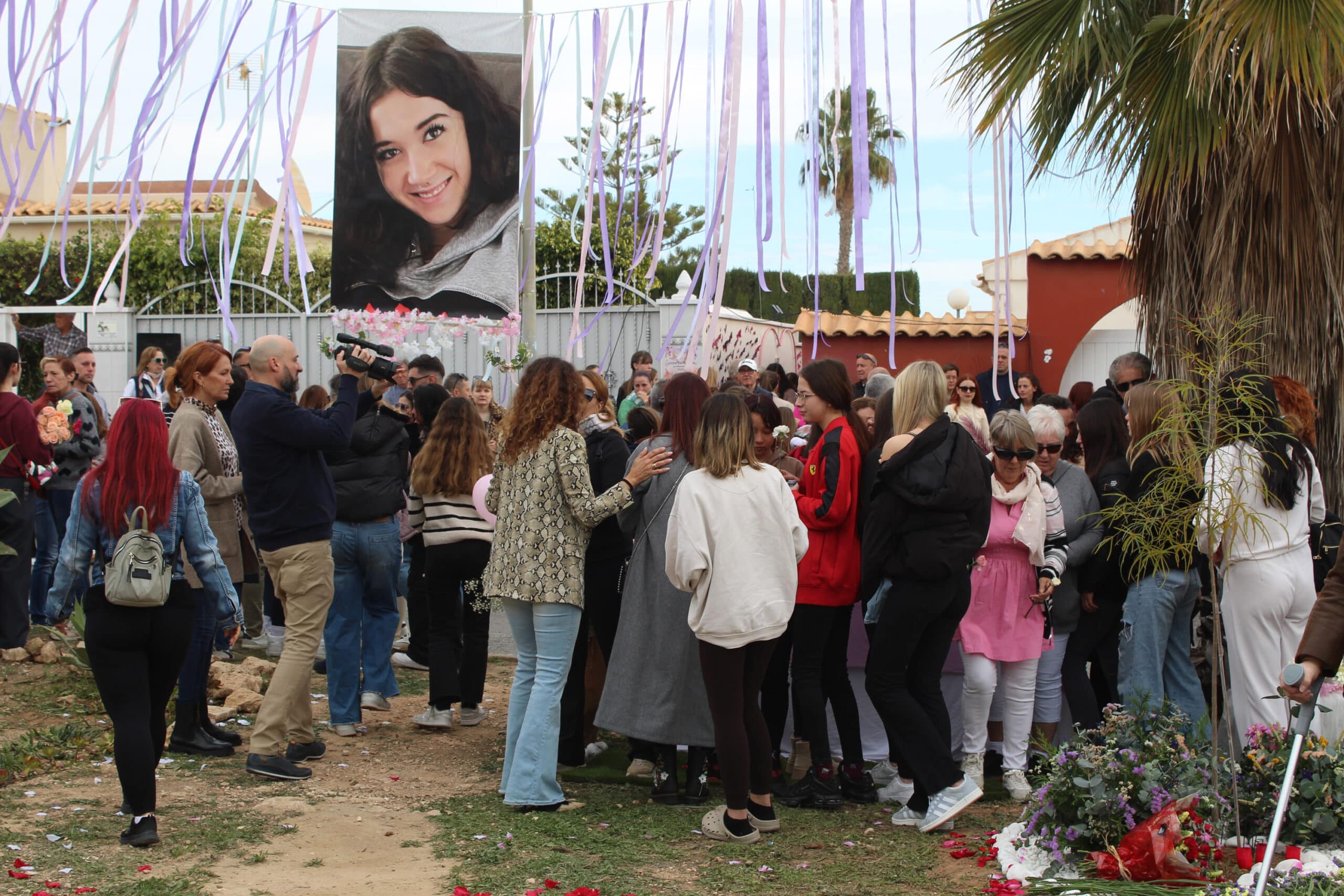
The Night of the Murder
Cloe was killed on November 24, 2024 — the eve of the International Day for the Elimination of Violence Against Women. Investigators say the choice of date was likely coincidental but cruelly symbolic. Despite suffering multiple wounds, the 15-year-old managed to flee the scene and reach her brother’s nearby home, where she collapsed. He rushed her to Torrevieja Hospital, but doctors could not save her.
From the beginning, investigators suspected her ex-boyfriend. He was arrested within hours but initially denied everything, later trying to shift blame onto his friend. Months later, police confirmed that both boys were present at the scene.
Digital forensics proved vital: deleted text messages between the pair were recovered, revealing detailed discussions of how and when they would attack. DNA evidence also sealed their fate. Traces of Cloe’s blood were found on a scooter, a pair of gloves, a helmet, and a trainer belonging to one of the defendants.
SEE ALSO: Community gathers together to say farewell to Cloe
Families Confront Each Other
In an emotionally charged moment during the trial, the parents of both accused teenagers stood up to acknowledge their civil responsibility for the crime and attempted to approach Cloe’s family to apologize. Their gesture, however, was met with anger and disbelief. “No apology can bring her back,” one relative cried through tears.
The trial will continue next week with testimony from the Guardia Civil investigators who pieced together the evidence. They are expected to detail how the teens’ deleted messages were recovered and how the fabricated drug story was dismantled through careful forensic work.
A Crime of Jealousy and Control
The case has reignited public debate over gender violence among young people. Investigators believe Cloe’s murder was a clear act of revenge by a teenage boy who could not accept being rejected. Friends of the victim have described her as kind and responsible, saying she had tried to help her troubled boyfriend “get his life together” before finally deciding to end the relationship.
As the first anniversary of Cloe’s death approaches, her family hopes the verdict will recognize the killing for what it truly was: a gender-based crime fuelled by jealousy and control. “She was only 15,” said one family member outside court. “She wanted to live, to grow, to love. They took that away from her.”
If convicted, the two teens will remain in juvenile custody until they turn 23, as required by Spain’s Youth Offenders Act. Both have been held in closed detention since their arrest. The court is expected to issue a verdict before the end of November — almost exactly one year after Cloe’s tragic death.