On July 11, 2025, the Local Government Board of Torrevieja approved the tender for rehabilitation works at the Salt Industry Interpretation Center, financed by the Recovery, Transformation, and Resilience Plan (NEXT GENERATION EU) and part of the city’s 2021 Tourism Sustainability Plan. The project is managed by the Ministry of Industry and Tourism, in collaboration with the Generalitat Valenciana and Turisme Comunitat Valenciana.
Due to the previous open tender process being unsuccessful, the contract will now be awarded through a negotiated procedure without public notice, in line with the contract’s value. The project, designed by ROCAMORA DISEÑO Y ARQUITECTURA, S.L.P., is led by the city’s Heritage and Tourism departments, with a base budget of €511,476.92 (VAT included) and an expected completion period of five months.
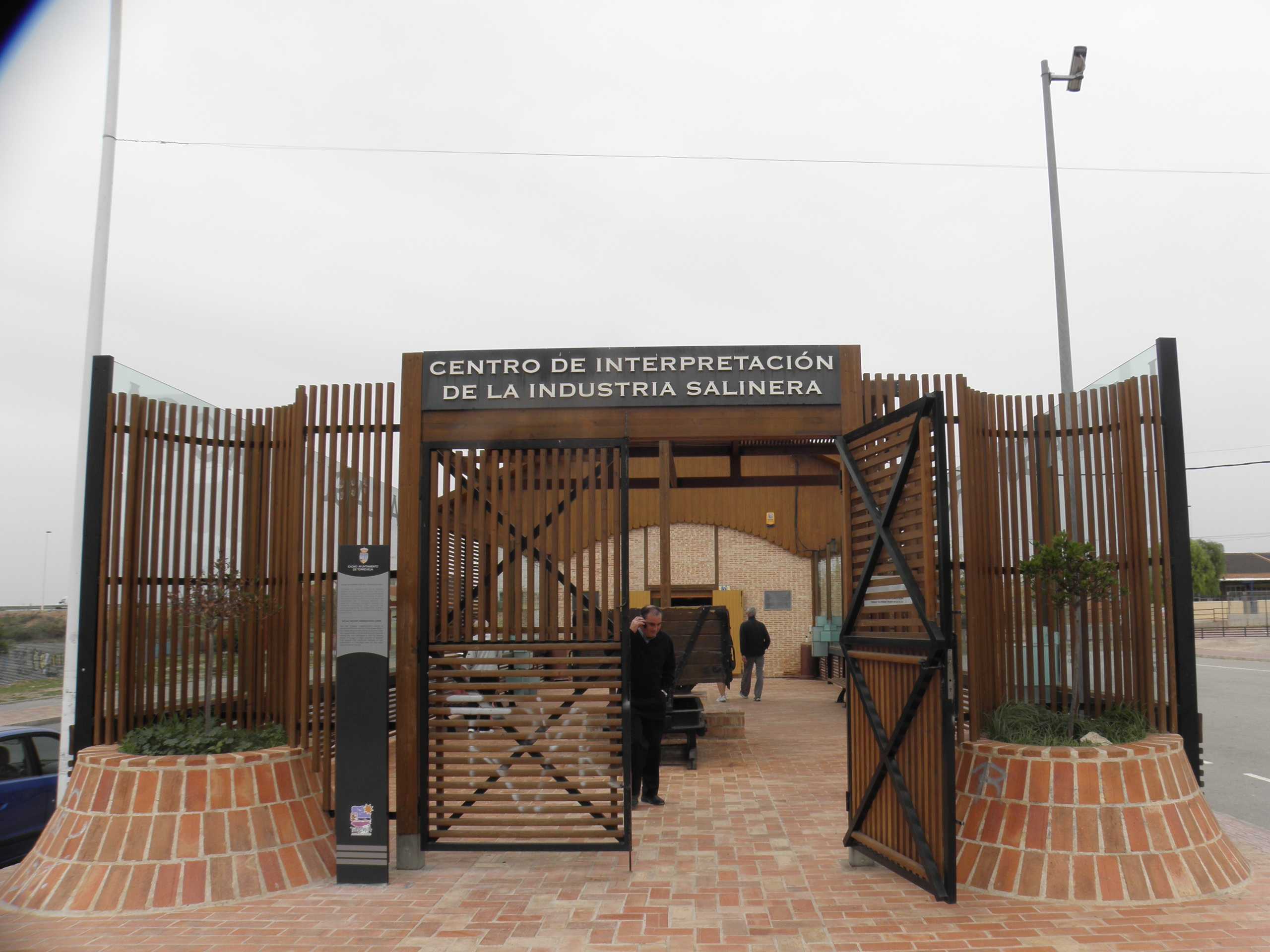
The main objective is to rehabilitate the historic building located on Avenida de la Estación, transforming it into a modern museum space that offers new routes and resources to interpret the local salt industry.
The municipality has invited eight construction firms to submit their bids through the Public Sector Contracting Platform, including companies such as EXCAVACIONES GEOS, S.L., OSERPRO 2000, S.L., and others.
About the Salt Industry Interpretation Center
Torrevieja’s identity is deeply linked to the sea, its climate, two saltwater lagoons, and the watchtower that gave the city its name. The museum’s content focuses on the history of the salt extraction industry—from its earliest records through its industrial evolution to the present day.
Housed in a historic former train station building, the center highlights the local salt industry alongside a global perspective on salt extraction methods and salt types worldwide.
Design Features
Visitors enter through large illuminated letters forming the building’s name, leading to an introductory outdoor area with glass panels displaying historical graphics about the city and salt. A preserved salt transport cart remains on display here.
Inside, the reception area has a controlled ceiling height and serves as the visitor’s entry point for guided tours.
The exhibition space is divided into two main zones: one focused on the history of salt extraction and the city’s development, and the other showcasing global salt extraction techniques. The main exhibit area resembles an elliptical plaza with irregular “salt rib” structures made of EPS, housing informational panels, replicas, and archaeological artifacts. Dark audiovisual zones simulate being inside large salt blocks, enriching the immersive experience.
Exterior and Circulation
Outside, the site features a salt-themed topography used as a ramp and scenographic element, with displays such as a traditional salt extraction boat and water tanks known as “La Química.”
The museum’s layout is linear with a circular internal route that keeps visitors oriented while guiding them through the narrative with clear signage and graphics.
This comprehensive rehabilitation will revitalize a key cultural landmark, blending heritage preservation with innovative museography to celebrate Torrevieja’s salt industry legacy.