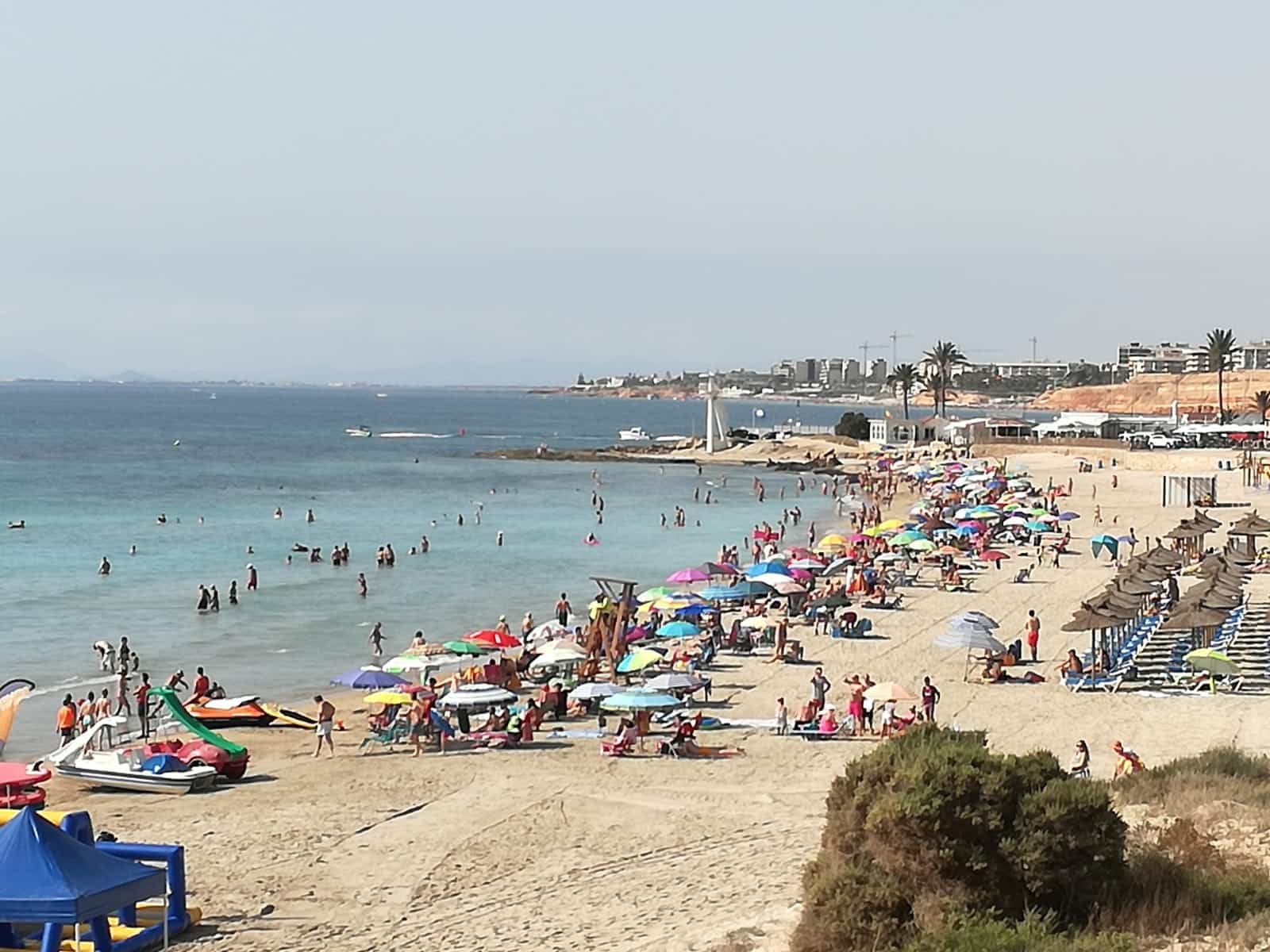
La Glea and Aguamarina closed after tests detect contamination at more than twice the permitted limit
Two of Orihuela Costa’s most popular beaches have been closed to swimmers at the height of the summer season after tests revealed potentially dangerous levels of wastewater contamination.
La Glea and Aguamarina, between Campoamor and Cabo Roig, were shut early on Tuesday as thousands of holidaymakers packed the coastline during one of the busiest weeks of the year.
Signs prohibiting bathing were erected after samples collected on August 24 showed contamination levels more than double the maximum permitted limit.
Orihuela City Council described the results as evidence of “residual contamination” and said the beaches would remain closed until further testing confirmed that the water was safe.
The council has not published the complete laboratory results or identified the contaminant responsible. It also remains unclear whether the pollution originated from sewage infrastructure, a pumping failure or another source.
Officials said an investigation was underway.
Public health warning
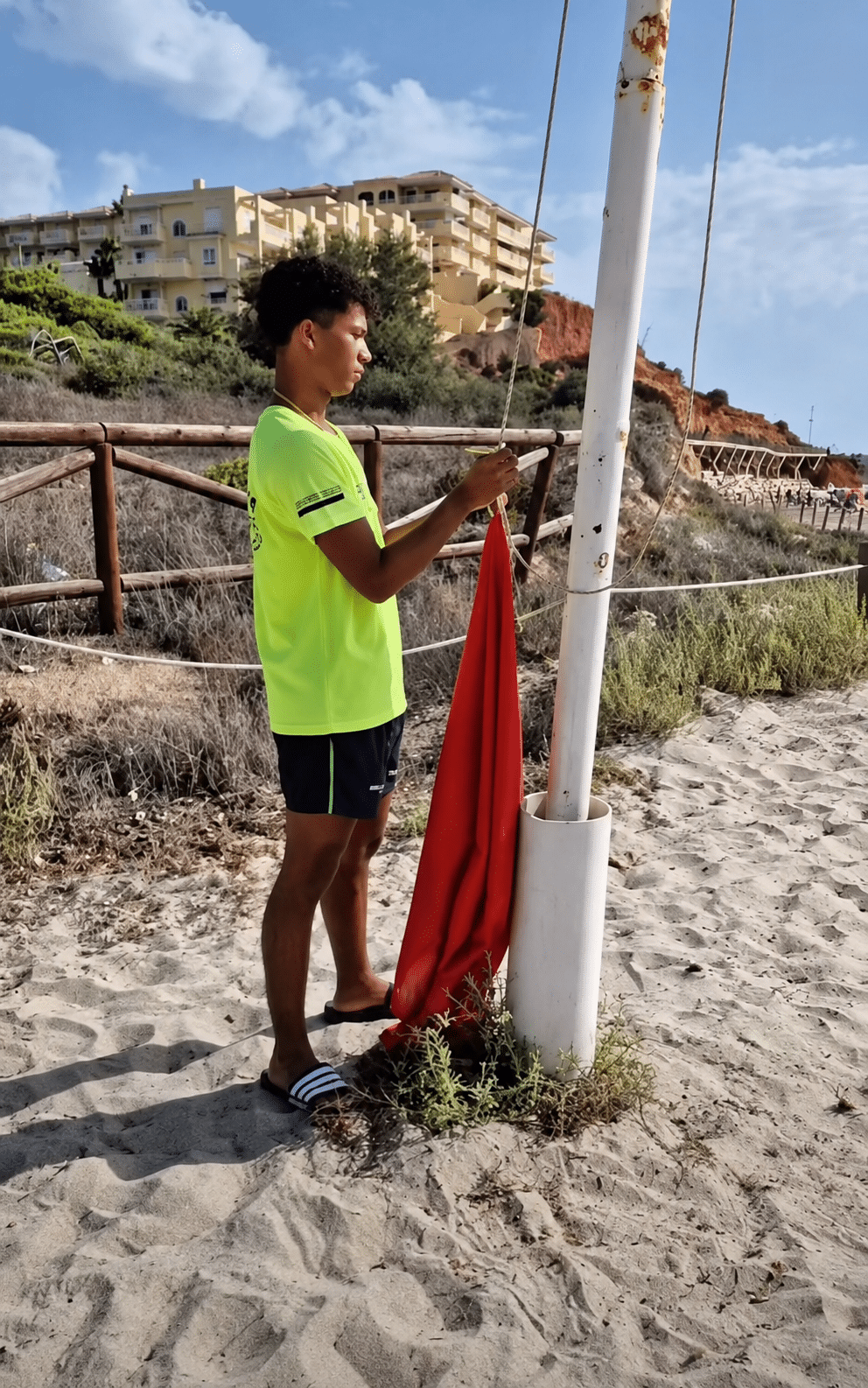
The closures followed routine testing carried out through the Valencian Government’s Bathing Water Quality Control Programme.
“Given these results, and as a preventative measure to protect the health of bathers, both beaches have been closed,” the Coastal Council announced.
No reopening date has been given. Swimming will only be permitted when further analyses show that water quality has returned to legally acceptable levels.
The emergency action represents a major blow for Orihuela Costa during the peak August holiday period, when its beaches, restaurants, hotels and holiday accommodation are operating at full capacity.
La Glea is one of the largest and best-known beaches on the Orihuela coastline. Extending for more than 500 metres beside Campoamor Marina, it is promoted for its accessibility, water sports, protected dunes and extensive visitor facilities.
It holds a Blue Flag for 2026 and is also listed as possessing the ICTE “Q” for Tourism Quality and ISO environmental and quality-management certifications.
Nearby Aguamarina is a busy urban beach between Campoamor and Cabo Roig. Approximately 500 metres long, it is known for its golden-white sand, calm water and extremely high occupancy during the summer.
Both were crowded with residents and visitors immediately before the closure.
Another summer of pollution
The latest incident adds to mounting concern about recurring pollution along the Orihuela coastline.
Residents and campaigners have repeatedly blamed an overloaded wastewater network that struggles to cope with the enormous increase in population during July and August. Sewage must be pumped from coastal developments towards treatment facilities serving Orihuela Costa and Torrevieja.
Critics argue that the system has failed to keep pace with decades of residential development and the dramatic seasonal growth in demand.
Previous discharges contributed to Cala La Mosca losing its Blue Flag in 2025. Despite that setback, Orihuela Costa continues to hold one of the largest collections of Blue Flags in Alicante province and the Valencian Community.
The Beaches Department, led by councillor Manuel Mestre, said it was working with the Directorate General for Water and other agencies to establish the source of the latest pollution and resolve it as quickly as possible.
Similar investigations have been announced following previous summer incidents, although their conclusions have not been made public.
The council said residents and visitors would be informed of any developments and that the beaches would reopen as soon as tests confirmed that bathing was safe.
Cala La Mosca controversy intensifies
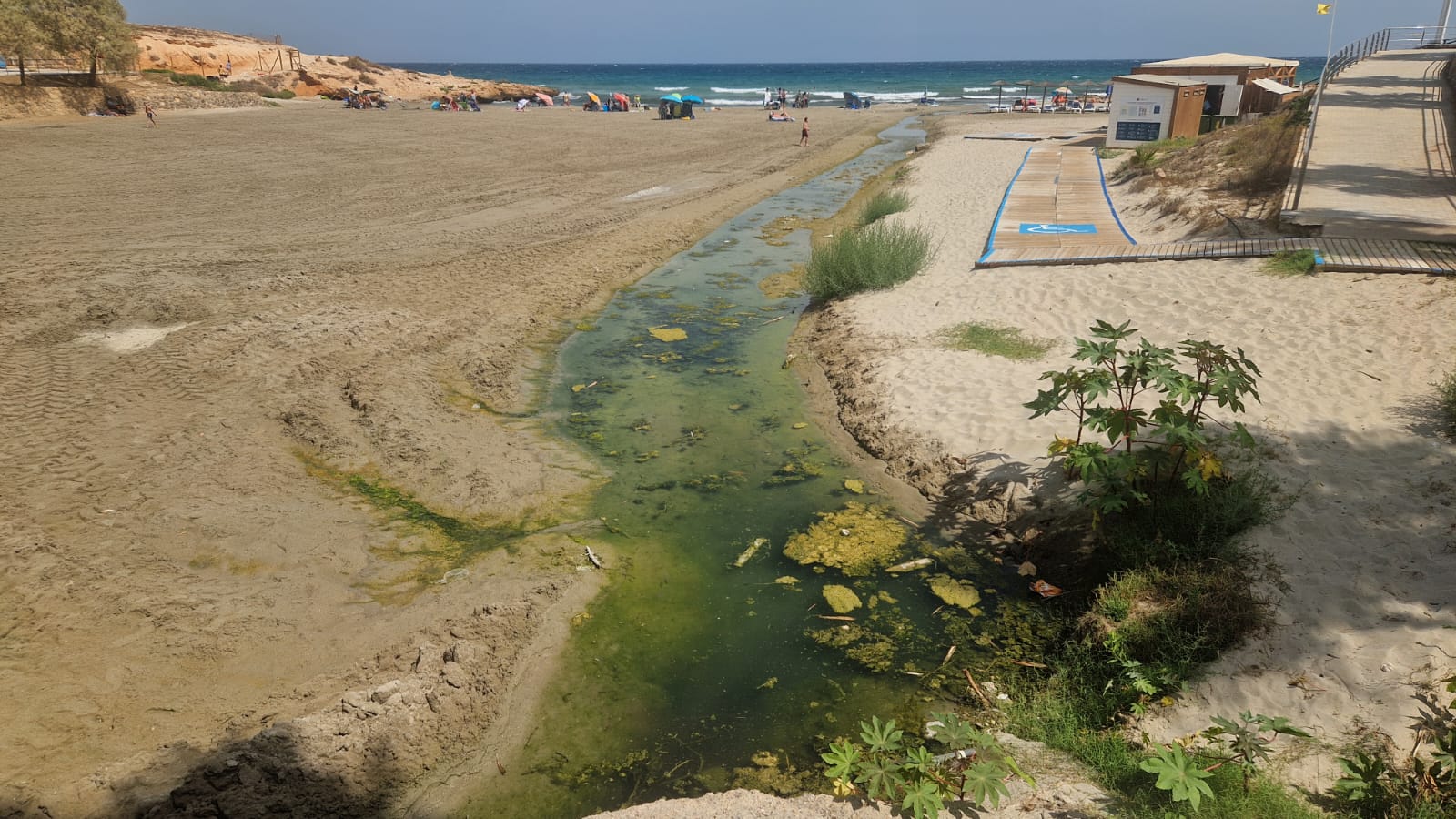
The closures come amid a bitter dispute over another suspected wastewater discharge at Cala La Mosca, farther north along the coast.
Water has again been seen flowing through the normally dry ravine, forming a green pool beside the promenade before crossing the sand and entering the Mediterranean.
Despite the visible discharge, Cala La Mosca has remained open because official seawater samples reportedly found no abnormal contamination. Tests dated August 16 classified the bathing water as excellent.
However, the Party for the Independence of Orihuela Costa commissioned its own tests on water flowing through the ravine. The group claims the samples showed nitrate and alkaline readings far above permitted levels.
The dispute escalated after an adviser to Mayor Pepe Vegara used social media to describe party members as “terrorists” for publishing the results. The comment intensified criticism of the council’s handling of pollution complaints and its response to residents raising concerns.
The closure of La Glea and Aguamarina only days later is likely to increase demands for full transparency over the condition of the coastal sewage network, the precise laboratory findings and the results of previous investigations.
For now, two flagship beaches carrying prestigious tourism and environmental distinctions stand closed during the busiest period of summer—while the source of the contamination remains unknown.