The firework accident in Altea at the weekend should force Spain to confront an uncomfortable question: how many injuries must occur before tradition is reconsidered?
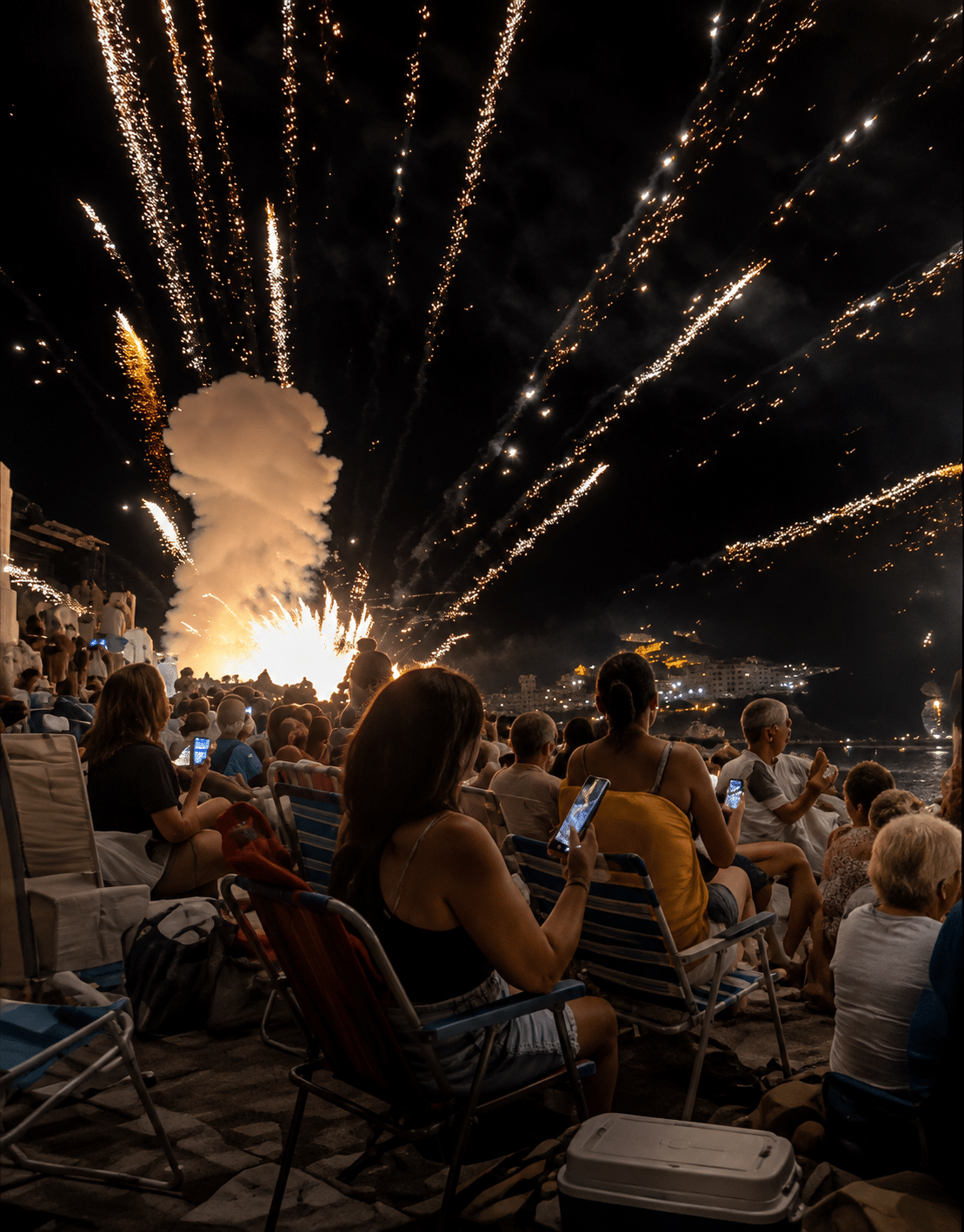
Twenty-seven spectators were injured during the 40th Castell de l’Olla after a pyrotechnic shell reportedly veered towards the crowded beach. Eleven people required treatment at Alicante General Hospital’s burns unit, although fortunately none was reported to be in a life-threatening condition. The display attracted an estimated 100,000 spectators and used a record 1,600 kilograms of pyrotechnic material. An investigation is now under way. El País
It is only the latest entry in Spain’s disturbing history of pyrotechnic accidents. Spectators have been killed or seriously injured, factories have exploded, homes and businesses have been damaged, and councils spend millions of euros every year staging displays and managing the resulting security, emergency and cleaning operations.
Yet fireworks remain extraordinarily popular because, particularly in the Valencian Community, they are much more than entertainment. Gunpowder, noise and fire have become entwined with regional identity. They accompany Fallas, Moors and Christians celebrations, patron saint festivals and countless summer fiestas. UNESCO itself recognises fireworks as part of the Fallas tradition and its contribution to community identity and social cohesion.
There are also powerful economic interests. Displays attract enormous crowds, fill hotels and restaurants, generate publicity and support a specialist pyrotechnics industry. During the 2026 Fallas alone, the sector expected turnover of €8.75 million and employment for more than 1,000 people.
For politicians and festival organisers, cancelling fireworks can therefore appear more dangerous electorally than continuing them. The spectacle is immediate and popular; the cost of accidents is less visible and is frequently carried afterwards by hospitals, emergency services, insurers and taxpayers.
Spain does have extensive pyrotechnic regulations covering professional qualifications, authorisation, safety plans and exclusion distances. But regulations cannot eliminate defective equipment, unexpected trajectories, human error or the dangers created when tens of thousands of people are packed into confined spaces.
The answer need not be a complete ban. However, the Altea accident demands more than expressions of regret. There should be an independent investigation, publication of its findings and a fresh assessment of safety distances, crowd density, shell sizes and firing locations. Organisers should also be required to demonstrate adequate insurance and consider quieter fireworks, reduced explosive loads, laser productions or drone displays.
Tradition deserves respect—but it cannot be allowed to become an excuse. When innocent spectators are burned while attending a council-supported celebration, preserving the spectacle must come second to protecting the public.
The full cost of the 2026 Castell de l’Olla has not yet been publicly disclosed, but it received at least €66,000 in direct public funding:
- €40,000 from Altea Town Council under its agreement with the event organisers.
- €26,000 from the Costa Blanca Provincial Tourism Board, according to Spain’s National Subsidies Database.
The actual event cost was almost certainly higher because the Cofradía also receives private sponsorship and other support. The published figures do not include the complete costs of:
- The record 1,600kg pyrotechnic display
- Floating platforms and marine operations
- Police, Civil Guard and private security
- Medical and emergency cover
- Additional overnight TRAM services
- Traffic management, parking and cleaning
- Treatment and possible compensation for the injured
- The separate €1,000 council-funded photography competition
Therefore, the defensible figure is at least €66,000 of public money, rather than claiming this was the complete cost. The final bill to public authorities will be considerably higher once policing, transport, emergency response and medical treatment are included.