Six weeks after a sweeping blackout plunged millions across Spain and Portugal into darkness, Spanish officials have confirmed the cause: technical blunders and poor planning, not cyberattacks or flaws in renewable energy.
Speaking at a press conference in Madrid, Ecological Transition Minister Sara Aagesen dismissed conspiracy theories and speculation, stating clearly that the outage was the result of “small grid failures” in southern Spain that quickly spiralled into a national crisis.
“These were cascading failures, sparked by technical missteps and worsened by poor contingency planning,” Aagesen said. “This was not a cyberattack, and it had nothing to do with our transition to renewable energy.”
The blackout began at 12:34 PM on April 28, knocking out power across large swathes of both Spain and Portugal. In the blink of an eye, just five seconds, Spain lost 15 gigawatts of power, approximately 60% of its national supply. The interconnected Portuguese grid collapsed soon after.
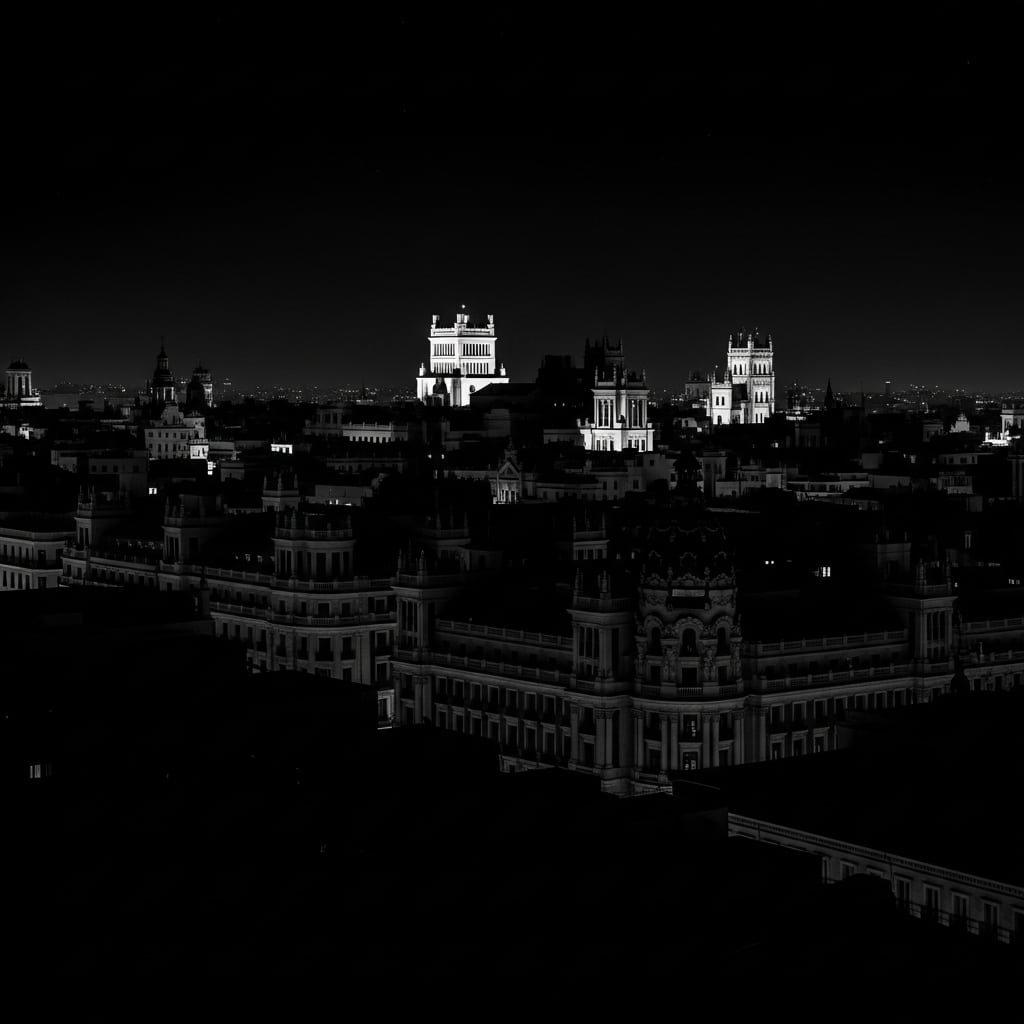
Critical infrastructure went dark: mobile networks froze, internet access vanished, trains stopped in their tracks, and hospitals activated emergency protocols. Full service was only restored in the early hours of the next morning, but questions have lingered ever since.
The Spanish government has now confirmed that operators failed to account for the loss of a key power plant tasked with balancing fluctuations in demand, one of several overlooked risks that left the system exposed.
Initial rumours of a foreign cyberattack swirled in the aftermath, fuelled by the unprecedented scale and speed of the failure. But investigations by Spain’s national security agencies found no evidence of sabotage or foreign interference. Instead, the root cause lay in two substation failures in the south, as identified by national grid operator Red Eléctrica.
Theories that Spain’s high renewable energy mix might have played a role were also firmly rejected. In 2024, nearly 57% of Spain’s electricity was generated from clean sources like wind, hydro, and solar, making it a continental leader in the green transition.
Critics had suggested that renewables might introduce volatility into the grid, but Prime Minister Pedro Sánchez swiftly defended the country’s energy strategy, stating that Spain “will not deviate a single millimetre” from its climate goals.
Experts now agree: the blackout was a wake-up call not about green energy, but about grid resilience, oversight, and the need for rigorous contingency planning.
As Spain and Portugal move forward, officials say lessons are being learned. But for millions who found themselves suddenly without light, signal, or power, the night of April 28 won’t be forgotten anytime soon.