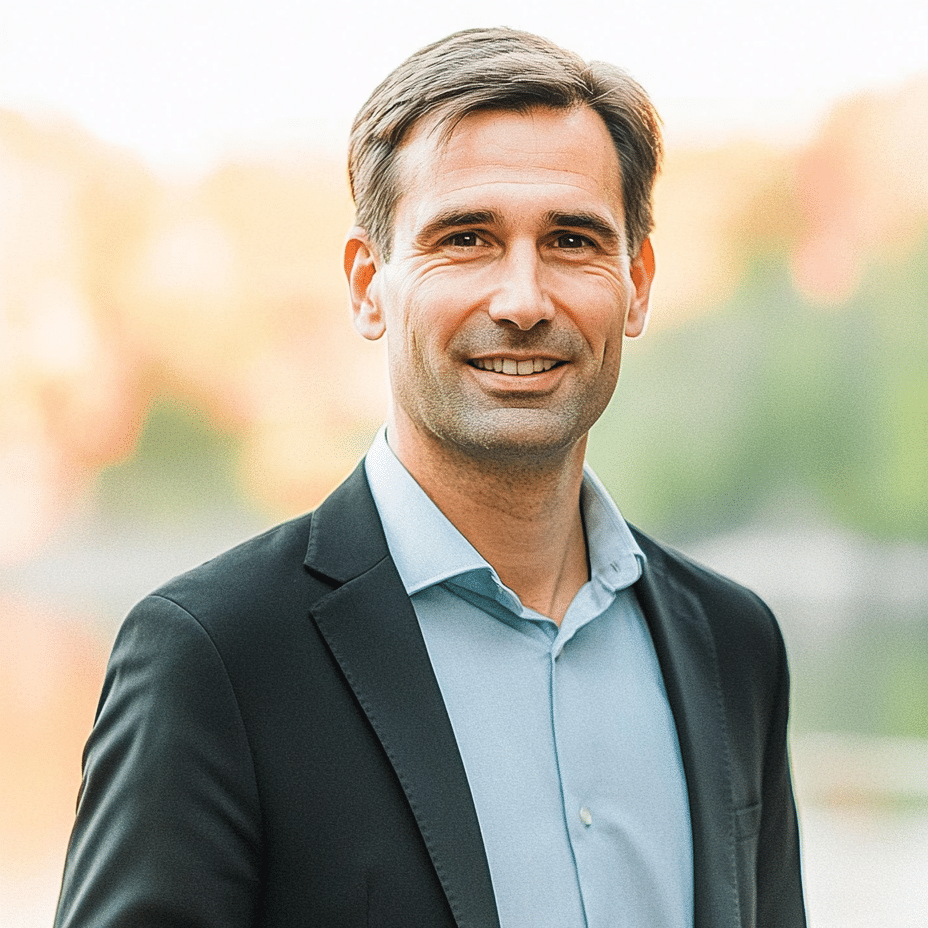
If Las Vegas had a favorite child born from the collision between casino glitz and MIT brains, it would be Axel Hunter Graves. Born in the very heart of gambling in 1984, this journalist, author, and consultant has carved a path that blends betting, cryptocurrency, and data analysis with a surgical instinct for sensing where the future’s roulette wheel is spinning. Trained in journalism at UNLV and later spending time at MIT, Axel doesn’t just write about technology—he understands it, lives it, and often predicts it.
Axel Hunter is the author of three books—The Crypto Gambler, High Stakes and High Tech, and his latest, Beyond the Cards—and is considered one of the most authoritative voices on how technological advances have impacted the gambling industry. From his office somewhere between Las Vegas and New York, he opened the door to a universe where algorithms, blockchains, and betting join forces in a dance that promises to change everything.
Blockchain: From Hype to Real Infrastructure
When Axel Hunter Graves talks about blockchain, he doesn’t use the messianic tone of the early crypto evangelists. His approach is more like that of a surgeon who’s seen enough bodies opened on the operating table to know what matters.
“Five years ago, everyone was screaming ‘blockchain, blockchain’ without really understanding what it meant,” says Graves. “Today, we’re finally starting to see real applications—especially when it comes to transparency and traceability in the online gaming ecosystem.”
For Axel, the most immediate promise lies in eliminating the “blind spot” between players and casinos: “Smart contracts allow the rules of the game to be written in stone—or in blocks. If a casino claims its RTP is 95%, the smart contract can make that verifiable by anyone. That completely transforms the trust relationship.”
And what about cryptocurrencies? “They’re the natural vehicle for this new stage. Not just because of privacy or speed, but because they let you play from anywhere in the world, without the classic banking middlemen.”
Big Data: The All-Seeing, All-Predicting Eye
If blockchain brings transparency, big data is the secret weapon that’s revolutionizing the business from within. Axel puts it bluntly: “Big data is no longer optional. Platforms that aren’t using data to personalize the player experience are falling behind.”
We asked him how that translates into practice. “Imagine logging into a platform that doesn’t just show you the same thing as everyone else, but presents games tailored to your tastes, personalized limits, bonuses calculated based on your betting patterns… All of that is possible thanks to real-time data analysis.”
But not everything that glitters is gold. Axel also warns about the risks: “There’s a fine line between personalization and manipulation. If an algorithm detects that you’re more likely to lose control at certain times or with certain games, should the platform use that info to protect you—or to squeeze you?”
In fact, his latest book dedicates an entire chapter to the “dark side of big data”: from algorithm-driven gambling addiction to the creation of psychological profiles without explicit consent. “Technology isn’t neutral. It all depends on who’s using it, and with what ethics,” he concludes.
Decentralized Casinos and Borderless Betting
One of the more futuristic ideas Axel has been championing for years is that of decentralized casinos. According to him, “the idea of a casino controlled by a single entity is on its way to becoming obsolete.”
So, what would that model look like? “Picture a platform owned by no one, managed by a DAO (Decentralized Autonomous Organization), where users vote on decisions. Funds are held in smart contracts, and there’s no ‘owner’ who can bend the rules.”
While we’re still far from mass adoption, there are already experimental projects underway. “The biggest challenge isn’t technical—it’s regulatory. A lot of countries don’t even know how to classify these platforms. But it will happen, just like decentralized exchanges became the norm in the crypto world.”
On cross-border betting, Axel notes that blockchain and crypto eliminate many barriers. “In theory, someone in Argentina could bet on a platform without going through banks or slow verification processes. But that raises big legal questions that we’re still trying to answer.”
What About AI?
Artificial intelligence is another wild card pushing the industry into new territory. Axel is crystal clear: “AI is already being used to detect fraud, optimize payments, personalize experiences… but the next step is dynamic game generation, adapting to each player in real time.”
He also talks about the potential for AI-powered “virtual croupiers,” and AR/VR environments where gambling becomes an immersive experience. “It’s no longer just about winning or losing—it’s about living something unique.”
Axel’s Advice for Those Entering the Game
Before signing off, Graves offers a word of advice to those just stepping into this new intersection of gaming and tech:
“Don’t just chase the hype. Crypto, big data, AI… it all sounds sexy, but if you don’t understand the player—their psychology, fears, and motivations—you’re out of the game. Tech should serve the human experience, not the other way around.”
And with that, Axel Hunter Graves signs off the way he does in many of his books—with the perfect mix of enthusiasm, critique, and a dash of streetwise philosophy.
The Verdict?
The convergence of casinos, blockchain, and big data isn’t a gamble—it’s a developing reality. And if there’s someone who knows how to read the cards before they hit the table, it’s Axel.