By Tomas Moreno
The repeated flooding of the N-332 underpass in Playa Flamenca has become an enduring symbol of Orihuela City Council’s failure to deliver essential infrastructure on the coast.
Every episode of heavy rain produces the same result: roads beneath the N-332 fill with water, communities are cut off and residents are forced to wait for conditions to improve. Despite the problem being documented for more than 20 years, a permanent solution remains conspicuously absent.
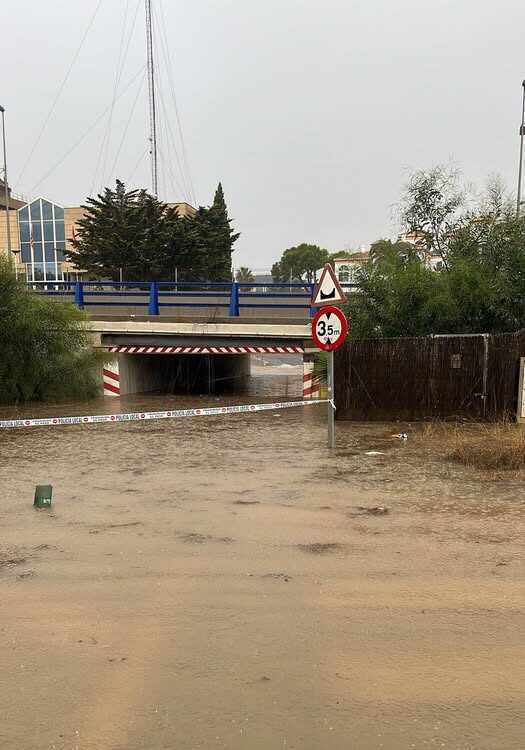
Images taken following last Saturday’s torrential rain showed the underpass by the Coastal Town Hall almost completely submerged. The photograph attracted close to 100,000 social media views, hundreds of reactions and comments, and more than 160 shares—demonstrating the strength of frustration among coastal residents.
Many of the comments made the same point: the flooding is not unexpected, exceptional or new. It has happened repeatedly under successive municipal administrations, yet residents are still being confronted with the same disruption and danger.
The need for remedial work was formally established almost a decade ago.
A Stormwater Master Plan prepared by Hidraqua in 2016 and adopted by the council’s Infrastructure Department in 2017 proposed constructing a stormwater collector. At the time, the project was valued at €423,138.
Despite the recognised urgency, it took around eight years for the council to put the work out to tender. The contract was finally advertised on January 30, 2025, with a budget of just over €500,000.
Another 11 months passed before the contract was awarded on December 26, 2025.
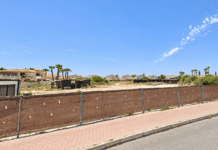
Nine months after that award—and almost nine years after the project was first identified—there is still no visible sign of construction beginning and no clear public explanation of when it will start.
The contract reportedly allows three months for completion. Even if work begins shortly, it appears increasingly unlikely that the project will be operational before the first quarter of 2027.
These are not cosmetic improvements or optional enhancements. The underpasses close to the Playa Flamenca Town Hall become impassable during periods of intense rainfall, cutting off several large residential communities and creating a potentially serious public safety risk.
Previous administrations must accept their share of responsibility for allowing the problem to remain unresolved. However, that history cannot excuse the current PP–Vox government, which has held office for more than three years and has still failed to get the contracted work under way.
The project has been studied, costed, tendered and awarded. What remains missing is action.
For Orihuela Costa residents, the latest flooding is further evidence of a familiar pattern: urgent infrastructure is repeatedly discussed while delivery is postponed. After two decades of disruption and nearly nine years of formal planning, patience is understandably running out.
The council must now provide a firm start date, explain the latest delay and ensure the work is completed before another round of heavy rain leaves Playa Flamenca under water once again.