Residents of Tabarca, the smallest inhabited island in Spain, have launched a formal bid for greater self-governance, citing years of neglect, mounting tourist pressure and administrative fragmentation.
The residents’ association is seeking recognition for Tabarca as a “minor local entity,” a status that would grant limited autonomy from Alicante City Council and allow the island to manage day-to-day services more directly. The proposal has already secured the backing of 33 of the island’s 59 registered residents.
According to association president Carmen Martí, the move reflects long-standing frustration rather than any sudden dispute. Residents argue that despite Tabarca’s status as a protected and highly popular tourist destination, basic services and infrastructure have not kept pace with demand.
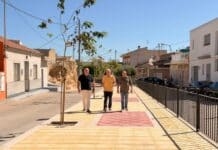
Among the concerns raised are inadequate street lighting, unfinished pavements, poor maintenance of public spaces and inconsistent cleaning services. Issues such as waste collection, pest control and general upkeep become particularly acute during the summer months, when visitor numbers surge and place additional strain on limited resources.
Island life, residents say, amplifies these challenges. Dependence on weather conditions, sea transport and multiple layers of administration often makes even routine issues slow and difficult to resolve. As a result, there are growing calls for special consideration in areas such as transport links, taxation and local governance.
Transport remains a key concern. Efforts by regional authorities to establish a reliable public connection between Tabarca and the mainland have so far failed, with two tender processes attracting no bidders. This has left residents reliant on irregular or commercially driven services.
At the same time, Tabarca’s popularity as a tourist destination is creating further pressure. Experts warn that the island’s limited capacity makes it particularly vulnerable to overcrowding. During peak season, daily arrivals from Alicante and Santa Pola, combined with private boats, result in congested streets, increased waste and heightened demand for water and services.
Environmental concerns are also mounting. Anchoring boats in protected seagrass areas, particularly Posidonia meadows, is causing damage to marine ecosystems that are central to the island’s natural appeal. Conservationists warn that continued pressure could undermine the very qualities that attract visitors.
The debate has shifted towards how best to balance tourism with sustainability. While limiting visitor numbers has been discussed, it remains a complex and contentious option. Calls are growing instead for better regulation, improved environmental awareness and more coordinated management.
Questions over identity also persist. Local groups argue that Tabarca’s historical and cultural heritage—including its fortified walls and landmarks such as the San José tower—remains under-promoted, with the island too often reduced to a “sun and sand” destination.
At the heart of the issue lies governance. Responsibility for the island is shared across multiple authorities, including Alicante City Council and the Valencian regional government, leading to what residents describe as poor coordination and slow decision-making.
City officials reject claims of neglect, pointing to ongoing investments and planning initiatives. However, divisions remain even within the island community, with some questioning whether greater autonomy is viable.
For many residents, the core issue is not independence itself, but the need to be heard—and to ensure the long-term sustainability of a unique and fragile environment.