The PSOE has called for the immediate resignation of San Fulgencio mayor José María Ballester after the Public Prosecutor’s Office ruled that the blocked motion of no confidence should be validated.
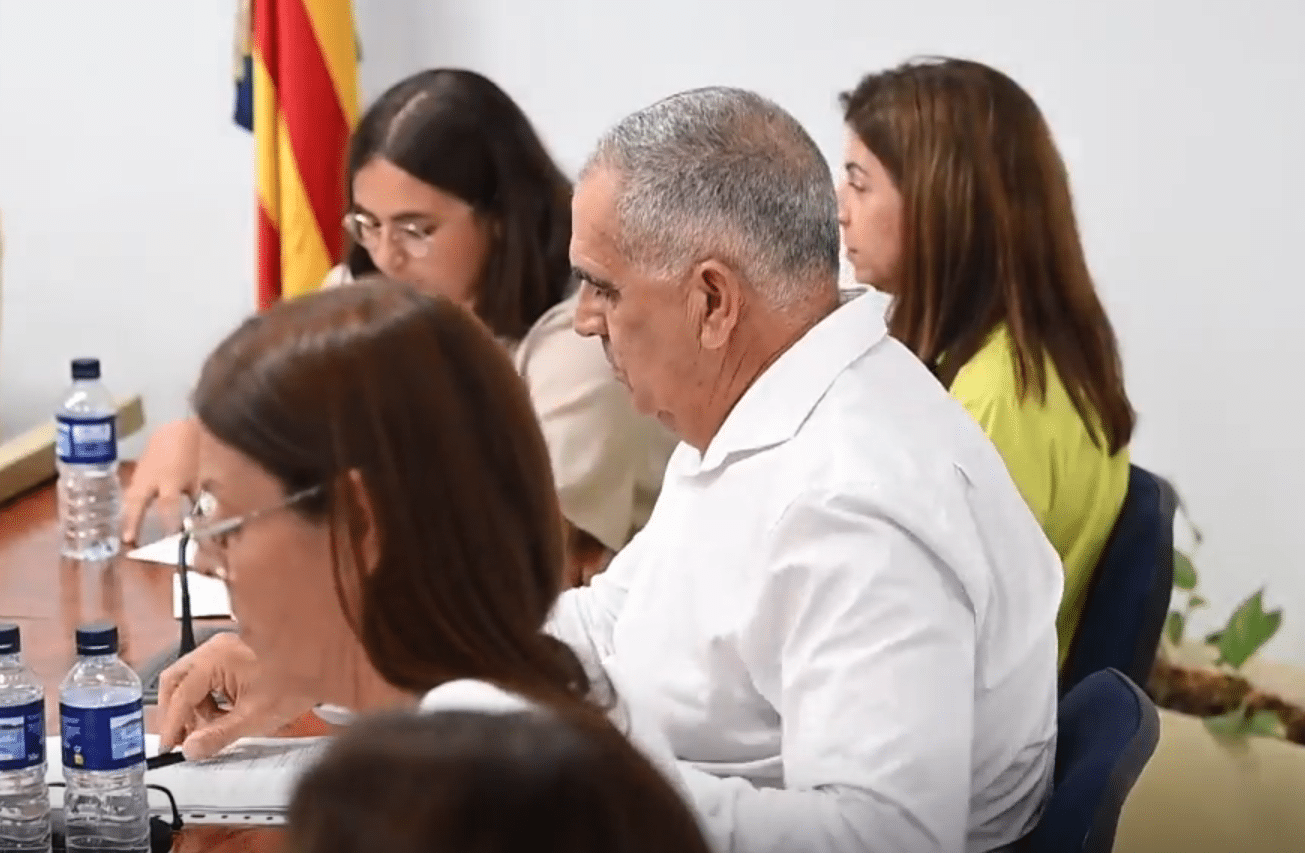
The prosecutor’s report focuses on the June 2025 plenary session, when an age-based committee made up of two People’s Party councillors halted the vote on a motion of censure presented by the PSOE and an independent councillor. According to the prosecution, that decision unlawfully prevented the Socialist group from exercising their right to political participation. The court has now been asked to validate the no-confidence procedure, a move that could trigger a fresh plenary session and finally allow the vote to take place.
The background to the crisis lies in the fragile balance of power created after the 2023 municipal elections. The PP won five seats and formed a coalition with two councillors from a local party. In 2025, one of those councillors broke ranks and sided with the PSOE, leaving Ballester governing in a minority. Two separate attempts were then made to remove him through motions of no confidence—both of which were suspended, despite being formally validated by the municipal secretary.
PSOE leaders say those suspensions were no accident. The party’s Vega Baja secretary general, Joaquín Hernández, described the situation as “a deliberate abuse of power” and warned that the continued paralysis could have serious personal consequences for those involved. The Socialists have already filed a criminal complaint for alleged disobedience linked to the second suspended session, arguing that lawful procedures were repeatedly ignored. They stress that if Ballester resigns now, those criminal proceedings would be rendered void.
Former mayor and current Socialist spokesperson José Sampere went further, branding the affair “a true democratic hijacking of the City Council.” He accused the PP of choosing to fight in the courts rather than respect the will of the council majority, and warned that municipal services and day-to-day administration are suffering as a result. “The town is effectively paralysed,” he said, citing resident complaints, stalled projects and a collapse in public confidence.
The PSOE argues that the damage now goes beyond party politics. With a population of around 10,000, San Fulgencio has appeared in national media for what Socialists call a “ludicrous and unnecessary spectacle” that undermines trust in local democracy. They are urging the regional government to intervene to prevent further institutional deterioration and restore normal governance as quickly as possible.
Mayor Ballester, however, rejects accusations of bad faith. He claims the prosecutor’s opinion relies on legislation that has since been repealed and insists there were genuine procedural flaws in the suspended sessions—particularly regarding the formal status of the independent councillor who backed the motion. While admitting mistakes were made, Ballester maintains that the PP acted within its understanding of the law and says he will abide by whatever decision the judge ultimately delivers.
As the court prepares to rule, pressure is building on the mayor to step aside voluntarily. For the PSOE, the choice is clear: resign now and allow a new mayor to be elected, or risk prolonging a legal and political crisis that, they warn, is tarnishing the reputation of the entire municipality.