Orihuela Costa – 22 January 2026
After more than two decades of delays, legal wrangling, and mounting frustration from residents, the AP-7 bridge in Orihuela Costa is finally on the path to being expanded. The High Court of Justice of the Valencian Community (TSJCV) has rejected an appeal from Caixabank, clearing the way for the city to seize nearly €1.3 million in guarantees to complete the long-promised pedestrian and traffic improvements.
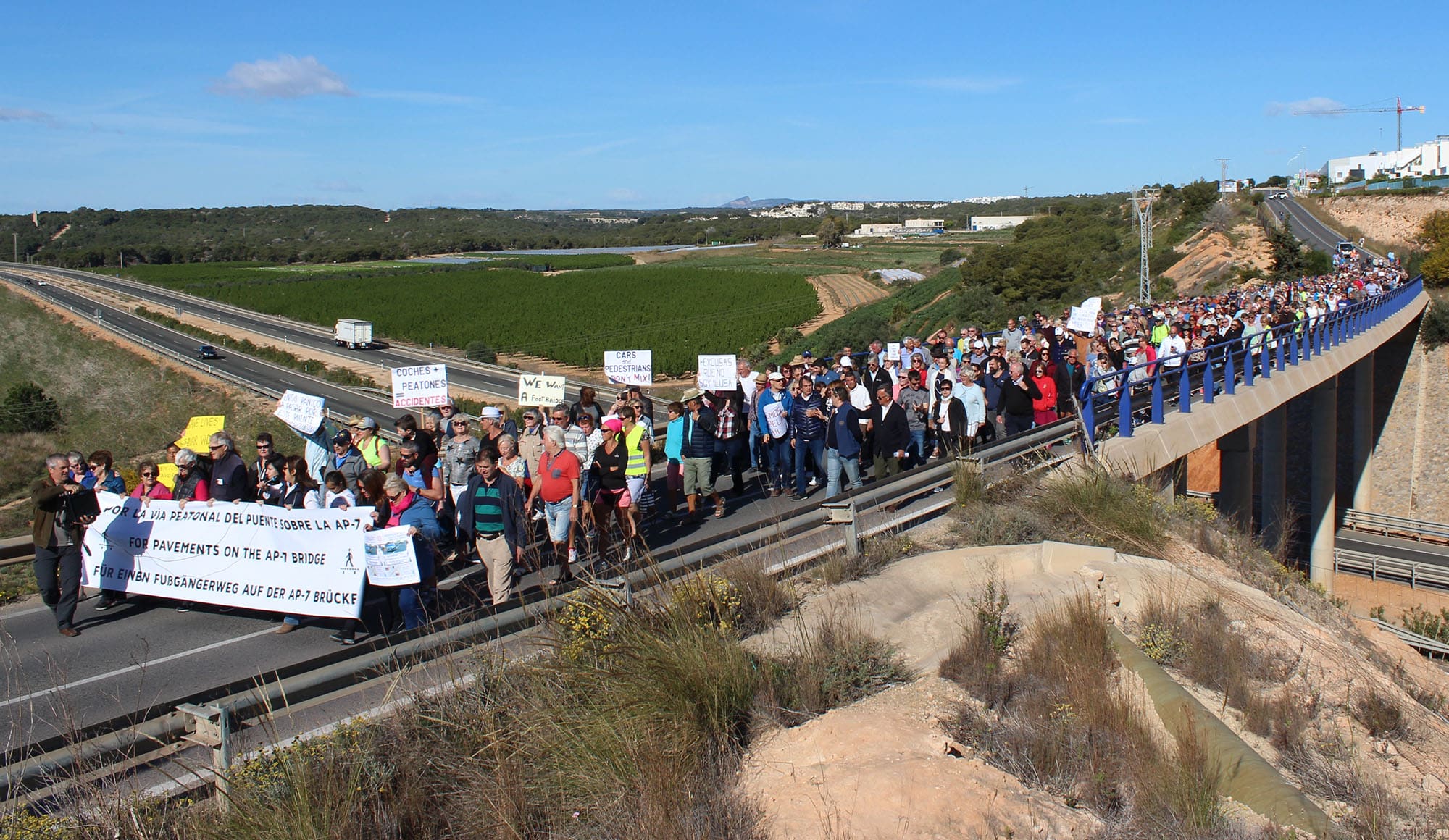
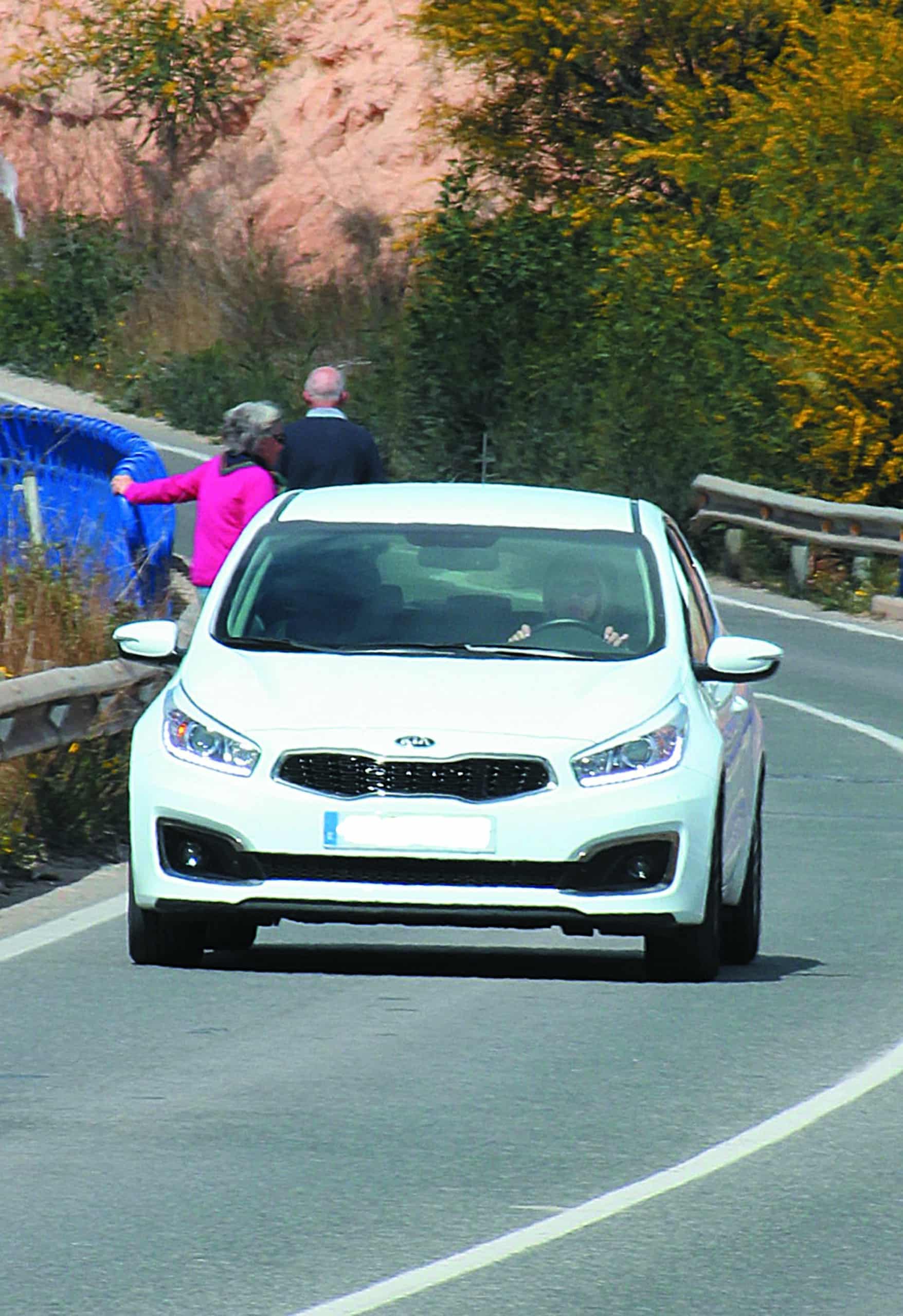
The bridge, linking Lomas de Cabo Roig to Calle Creus on the San Miguel road, has long been a dangerous black spot. No pedestrian or cycle crossings, insufficient pathway, constant congestion, and dangerous traffic conditions have made this stretch a source of daily headaches—and real hazards—for local residents.
A Broken Promise and Lack of Political Will for over a Decade
The saga dates back to the early 2000s, during the property boom. The developer, Urbana San Miguel S.L., was responsible for delivering essential infrastructure for its urbanization—including the bridge—under an agreement signed in 2002. By 2004, the company provided a guarantee of €1,286,668 specifically for the bridge, plus additional funds for other facilities.
Then the crisis hit, and while the developer sold plots and completed some urbanization, the bridge remained unfinished and forgotten. Despite repeated municipal approvals and reminders, the promised works were left unbuilt. But residents never forgot. For years, they staged protests, marched, and demanded action, highlighting the bridge as a safety risk and a daily bottleneck in a densely populated area.
Legal Battles and Bureaucratic Stalemates
Many of the delays in completing the Orihuela Costa bridge were compounded by municipal inefficiencies. While the developer failed to fulfill its obligations, years of bureaucratic inaction, slow decision-making, and forgotten guarantees left residents waiting for almost 20 years for a solution.
Locals have long criticised the council for allowing the dangerous bottleneck and lack of pedestrian access to persist, turning what should have been a straightforward infrastructure project into a decades-long saga of frustration and risk.
Pressure from citizens reignited municipal action in 2016, prompting the city to demand proof that the developer had started the required works. The company claimed it couldn’t act without ministry approval—yet a binding green light from the Ministry of Public Works came in 2018. By 2020, the municipality warned that failure to begin work would trigger the seizure of the guarantee.
In March 2021, the council formally declared the developer in default and seized the €1.3 million guarantee to fund construction. The developer challenged the decision, and even the bank backing the guarantee fought to prevent payment—but the TSJCV has now sided with the city.
However, the problem has never been a lack of financial resources; the failure to solve this major and dangerous problem has been a lack of political will to make the footbridge a reality.
Residents Relief and Road Safety at Last
For locals, this is a long-awaited victory. The bridge’s expansion will finally include pedestrian and cycle access and relieve a dangerous corridor for members of the public. Until now, the absence of proper infrastructure has created not just inconvenience but genuine risk for pedestrians and drivers alike.
The municipality has already begun administrative preparations and commissioned the project design. After years of delays, frustration, and bureaucratic hurdles, Orihuela Costa may finally see the bridge upgraded safely, providing relief to the thousands who navigate this dangerous crossing every day.