Despite a high-profile presentation of its summer safety plan, the Orihuela City Council is under fire following the confirmation that the number of police officers assigned to Orihuela Costa this summer has been reduced by 10 compared to last year.
While the city boasts about deploying 56 personnel supported by modern technology and multi-agency coordination, the decrease from 66 officers in summer 2024 to 56 in 2025 has sparked public concern—especially given a sharp increase in crime, most notably a dramatic rise in burglaries.
Unidos por la Costa, a local advocacy group, has publicly criticized the reduction, calling it unacceptable given the coastal area’s growing security challenges. The organization points to recent figures from the Ministry of the Interior’s Crime Statistics Portal, which show that reported burglaries in the municipality of Orihuela rose from 139 in the first quarter of 2024 to 189 in the same period of 2025—an alarming 36% increase.
These incidents include break-ins at private homes, businesses, and public facilities, many of them concentrated in the coastal zone.
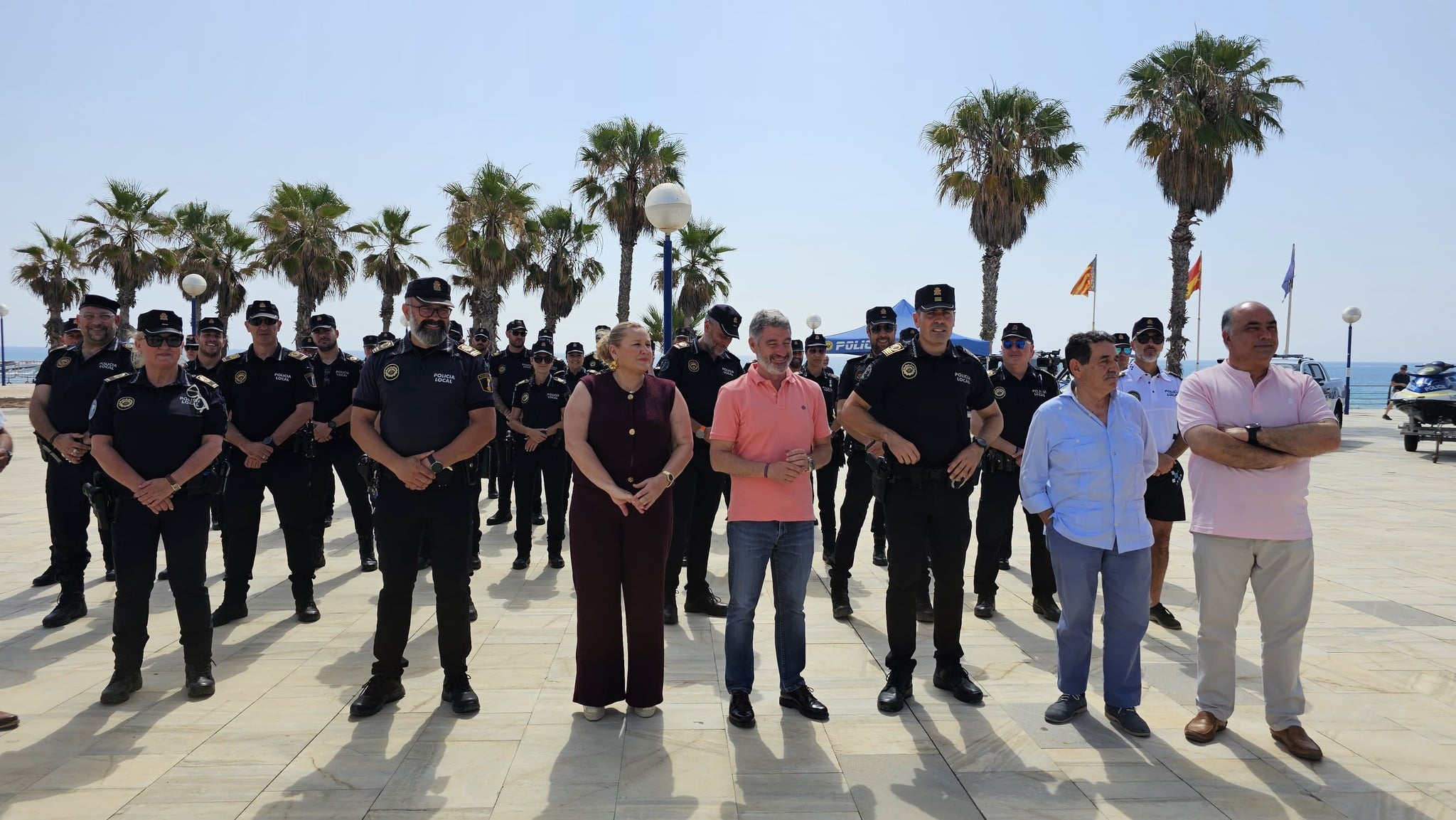
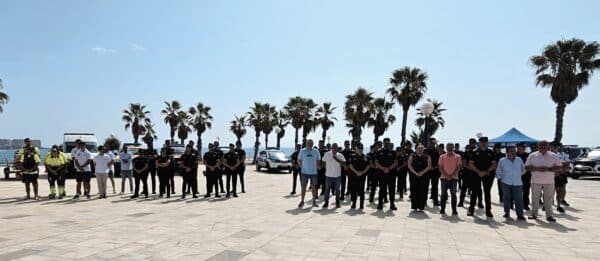
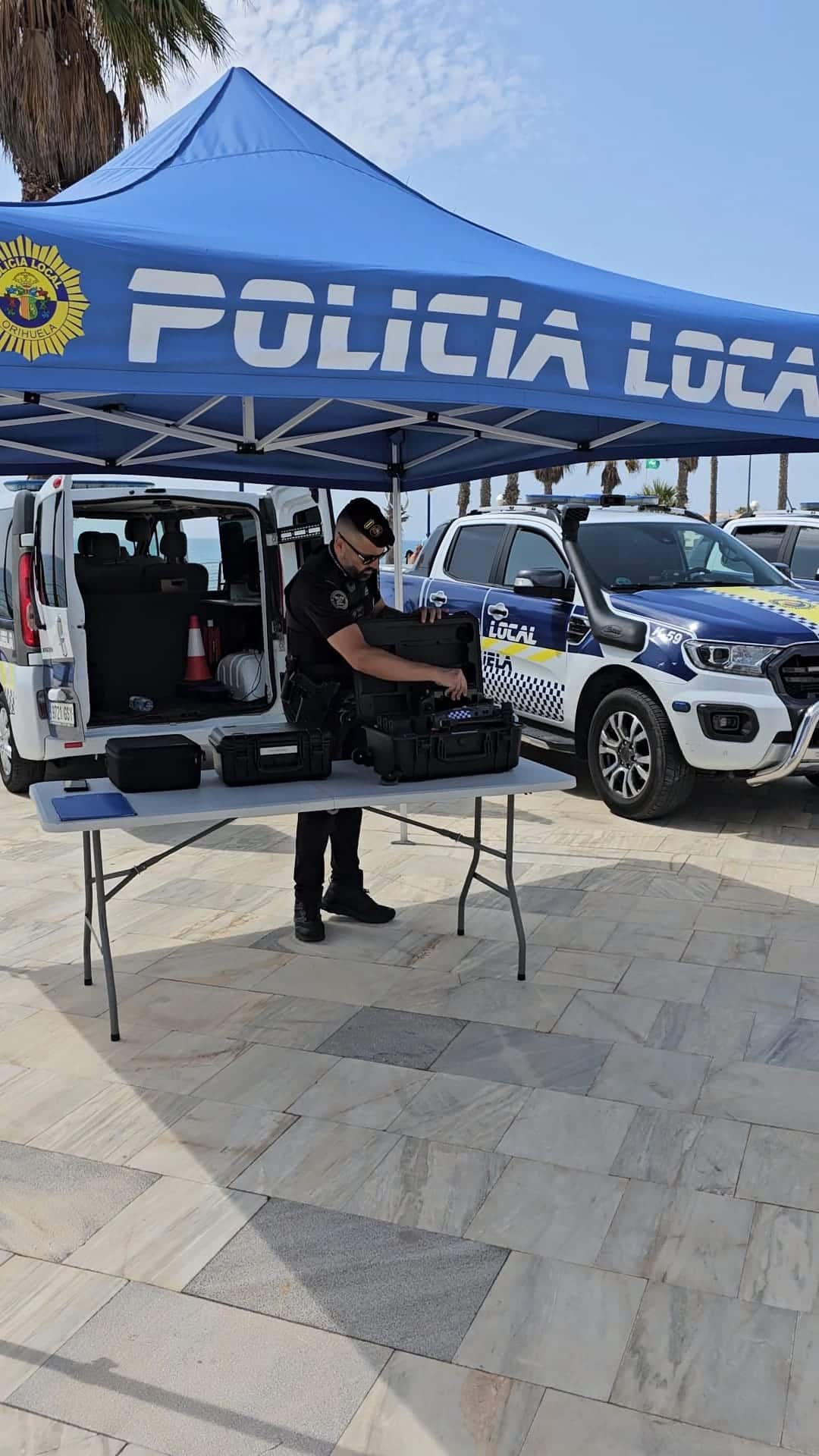
The City Council’s presentation, held at the Playa Flamenca esplanade, showcased the launch of a summer security operation, highlights of which include the deployment of drones for aerial surveillance, jet skis for maritime patrolling, and a first-response vehicle to assist in emergencies such as forest fires.
Authorities also praised the professionalism of local police and Civil Protection personnel and emphasized the use of advanced technology to offset personnel reductions.
Councillor for Citizen Security Mónica Pastor stressed that the 2025 operation includes 51 Local Police officers, three commanding officers, and a specialised drone team. However, Unidos por la Costa has questioned the effectiveness of such resources in the face of reduced boots on the ground, arguing that visible and active daily patrols remain the most effective deterrent against property crime.
The local government maintains that the reduced number of officers still represents a “firm commitment to coastal safety.” Officials, including Mayor Pepe Vegara, emphasised that the current resources have been carefully coordinated to handle the seasonal influx of tourists.
Vegara stated that the goal is to eventually achieve a stable year-round police presence, reducing the need for seasonal reinforcements. Yet this long-term objective offers little reassurance to residents facing immediate threats.
Councillor for the Coast Manuel Mestre acknowledged that the coastal population effectively doubles in the summer, creating heightened demand for security and emergency services. Despite this, the Council appears to be banking on technological solutions and inter-agency cooperation to fill the gap left by fewer police officers.
Unidos por la Costa, however, remains firm in its demands. The group has called on the Council to restore police staffing, at least to least last year’s level, and establish four dedicated daily patrols for Orihuela Costa. They argue that only an increase in visible, local police presence can effectively counteract the growing wave of criminal activity.
Furthermore, the Residents group is pressing the Council to escalate its requests to the Spanish government and the Generalitat Valenciana for more Civil Guard officers and permanent forest firefighting staff in the coastal emergency centre. They point out that while drones and jet skis might enhance monitoring, they cannot replace experienced officers who know the local terrain, communities, and high-risk areas.
As summer tourism begins to swell along Orihuela’s coastline, the discrepancy between official optimism and residents’ security concerns is becoming increasingly pronounced. With reported crimes on the rise and fewer officers on patrol, many residents feel the government’s reassurances ring hollow.
While the City Council may view this year’s operation as a demonstration of modernization and efficiency, for many living and working on the coast, the reduced police presence raises more questions than it answers—about safety, priorities, and whether the administration truly understands the scale of the problem unfolding in its own backyard.