Researchers, teachers and students have reconstructed the story of an industry that shaped Orihuela’s economy, employed generations of local families and made the city famous throughout Spain.
Orihuela has taken an important step towards recovering the memory of one of the most significant chapters in its industrial and economic history: the city’s former Silk Factory.
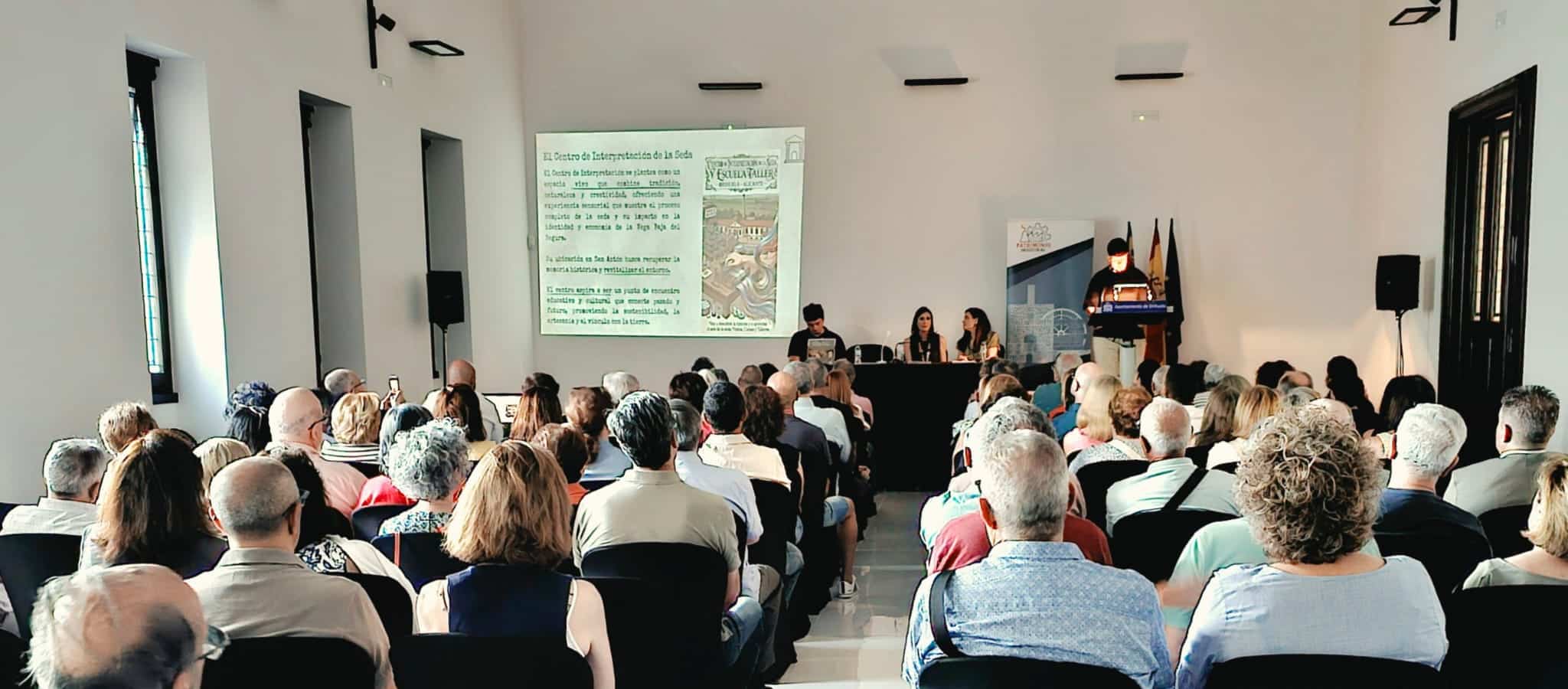
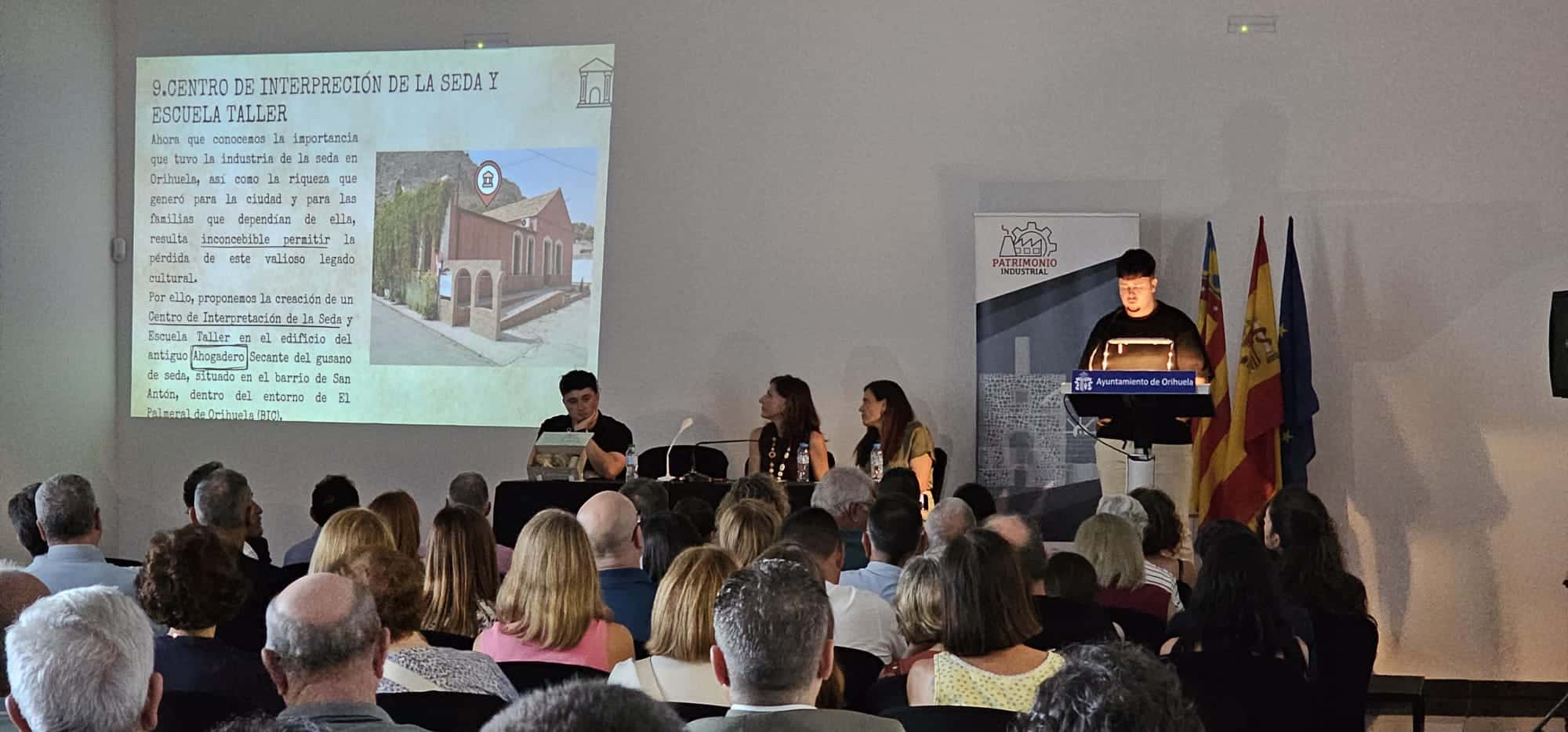
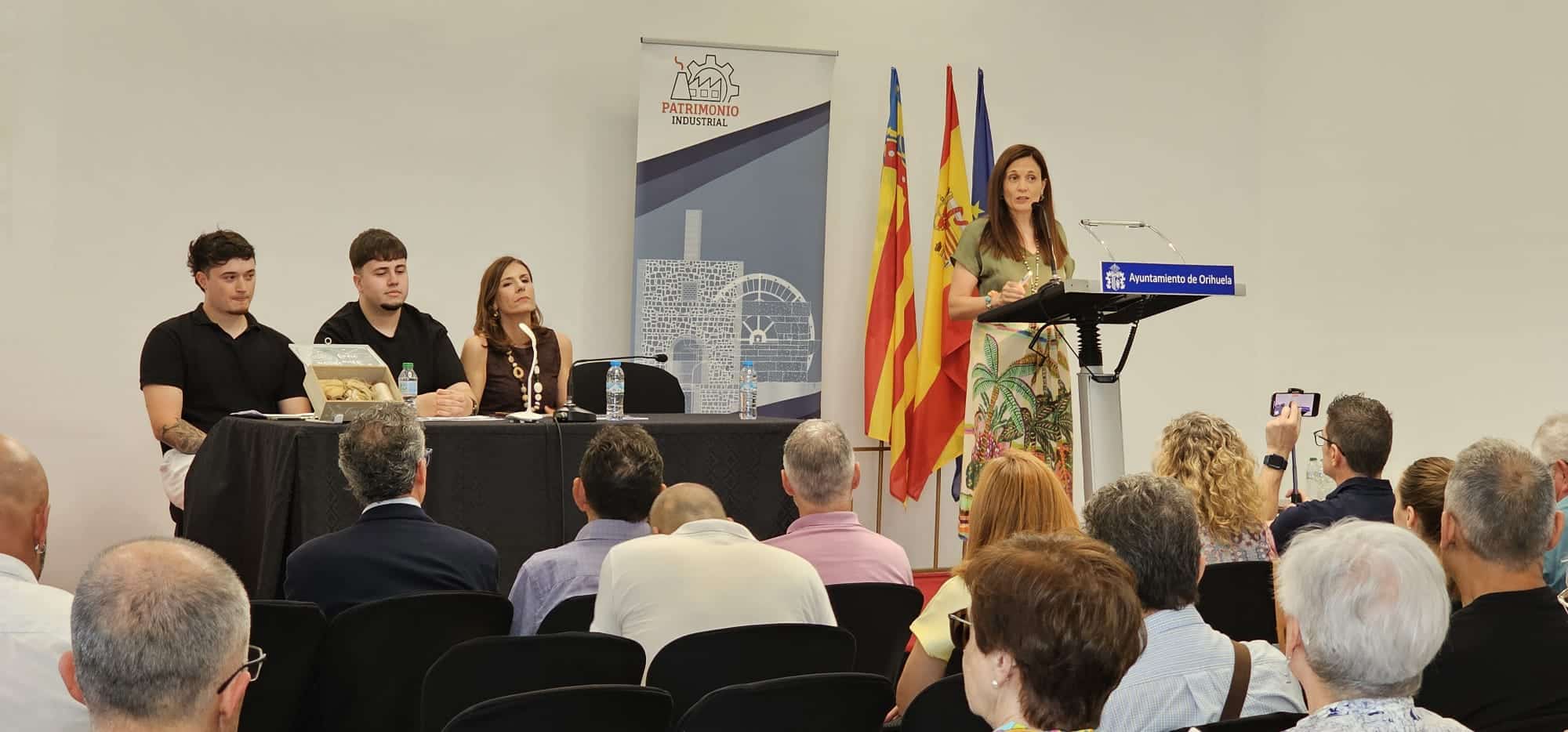
The Miguel Hernández Cultural Centre, housed in the former Caja de Monserrate building, hosted a well-attended conference entitled The Silk Factory: Orihuela, 1928–1977. The origins of the saying “Orihuela is a square famous for silk”.
The event was organised by the CIPFP El Palmeral vocational training centre in collaboration with Orihuela City Council’s Department of Historical Heritage. It attracted a large audience keen to learn more about an industry that once played a central role in the life of the municipality.
Orihuela Mayor Pepe Vegara attended alongside Historical Heritage Councillor Matías Ruiz Peñalver, who opened the conference and welcomed those present.
Ruiz noted that the event was being held in a restored heritage building now serving cultural, social and educational purposes. He said the regeneration of Orihuela’s historic centre depended not only on protecting buildings, but also on returning them to active public use.
He described the history of silk production as an essential part of Orihuela’s collective memory and one of the defining elements of the city’s economic and social development.
Reconstructing a vanished factory
The research was carried out by CIPFP El Palmeral lecturers Sara Javaloyes Victoria, who coordinated the project, and Maribel Pastor López, together with second-year Building Projects students Mario Heredia Guirao and Jorge Ruiz Martínez.
Their work formed part of a four-year educational innovation project devoted to industrial heritage. The initiative brought El Palmeral together with educational institutions in Málaga, Ciudad Real and Madrid to study, preserve and promote buildings and sites associated with Spain’s industrial past.
For the fourth and final year of the programme, the Orihuela team chose to investigate the former Silk Factory. The task presented a particular challenge because no physical remains of the factory survive today.
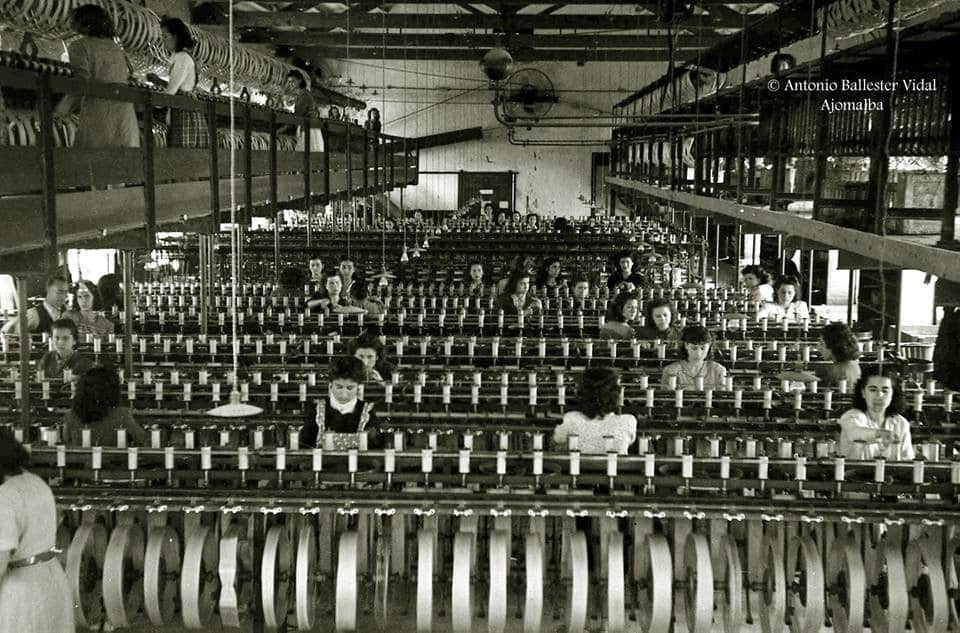
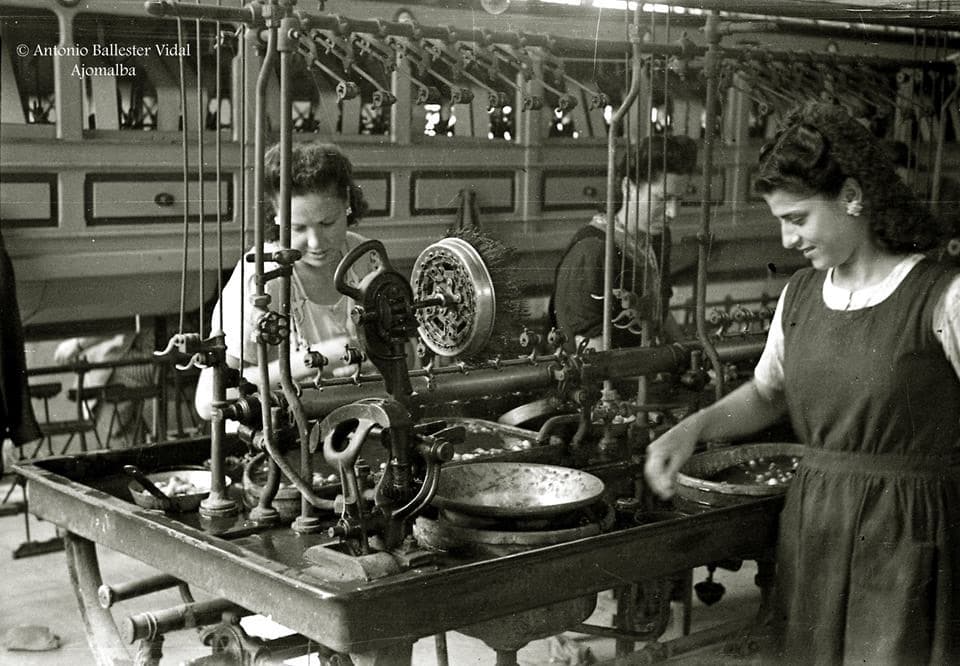
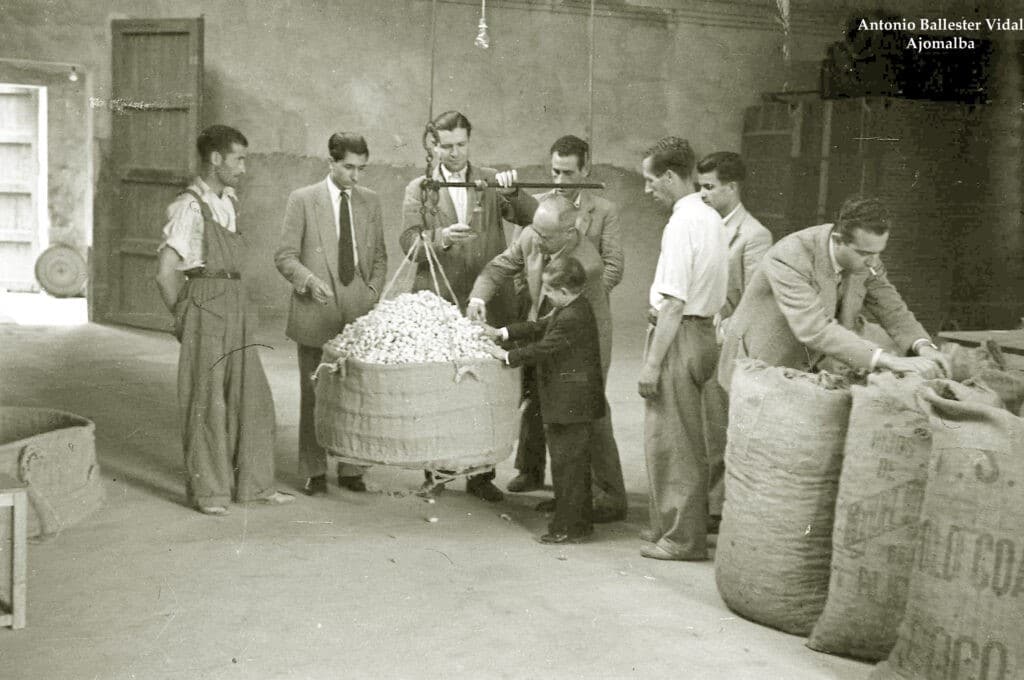
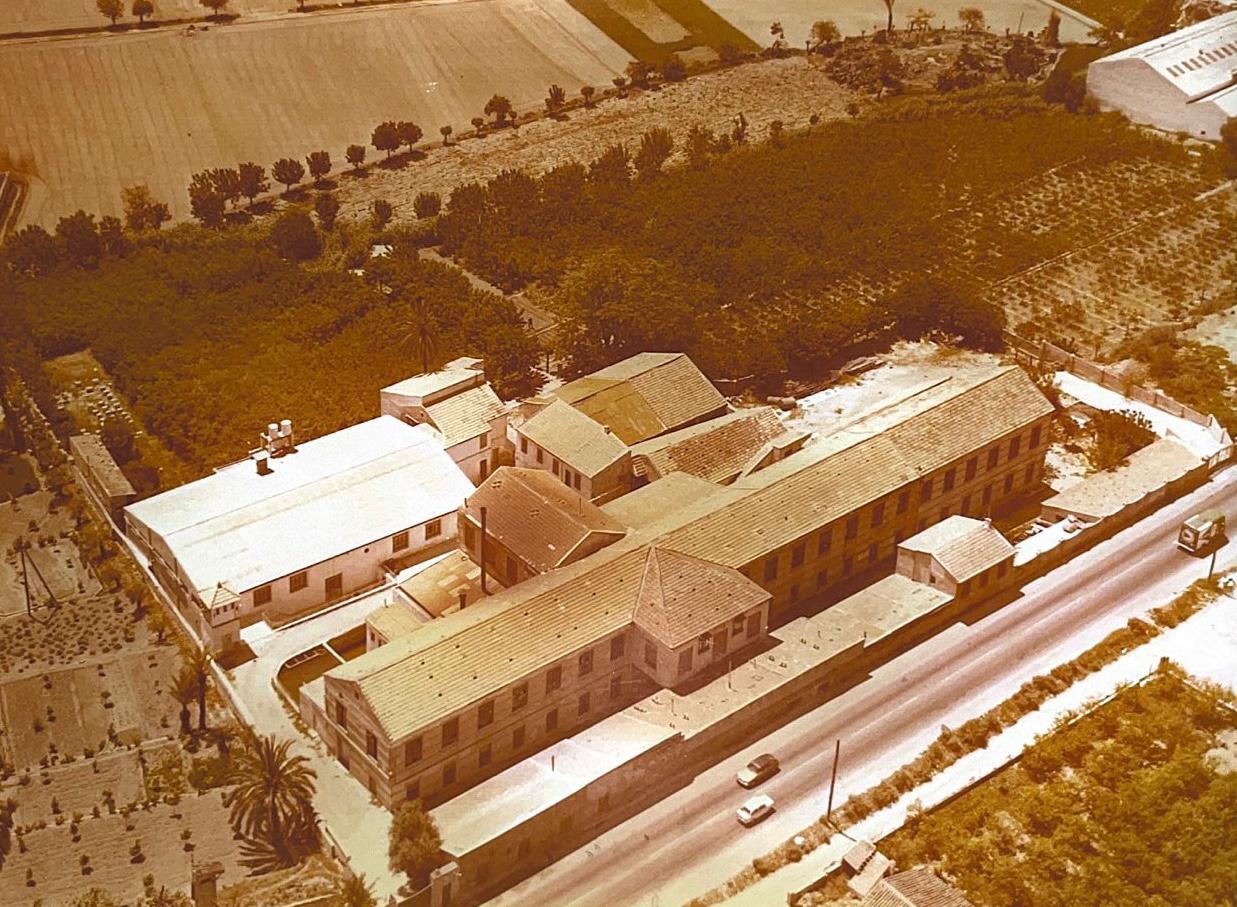
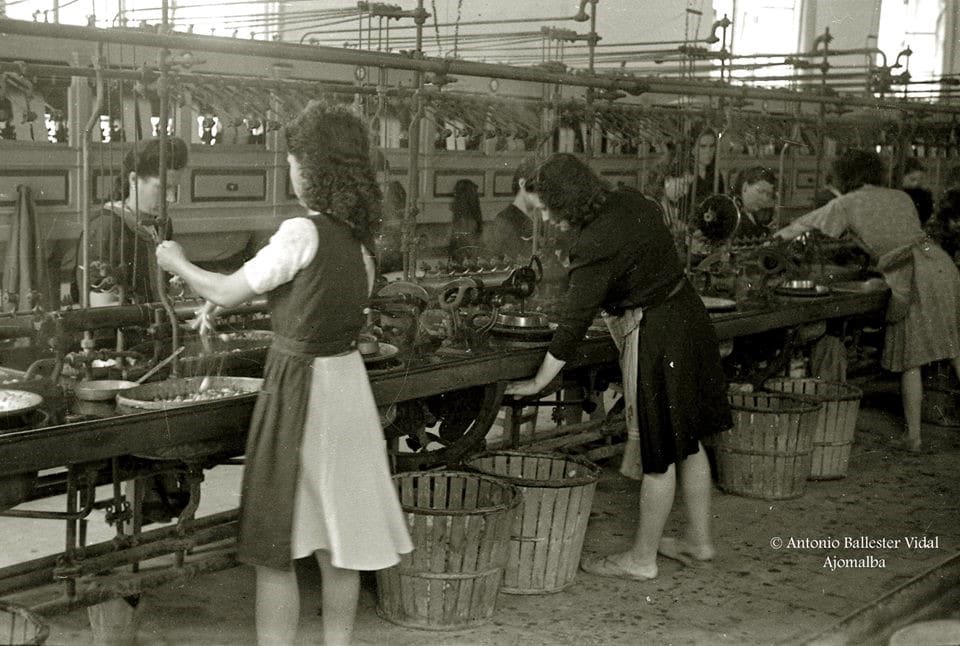
The researchers therefore relied on extensive documentary work. Important sources included a historical report by Antonio José Mazón Albarracín published on the website Oriola vista desde el puente de Rusia, photographs taken by Antonio Ballester Vidal during the 1950s, and contemporary newspaper reports.
The testimony of Antonio Pastor, whose parents served as caretakers at the factory, also proved invaluable. Pastor, the father of researcher Maribel Pastor, provided detailed recollections of the work carried out there and the machinery used during the production process.
Together, these photographs, documents and personal accounts made it possible to reconstruct a largely forgotten part of Orihuela’s industrial history.
A centuries-old silk tradition
For centuries, Orihuela was renowned throughout Spain for the exceptional quality of its silk. That reputation gave rise to the traditional saying, “De seda es famosa plaza Orihuela” — loosely translated as “Orihuela is a place famous for silk”.
The phrase reflects the enormous economic and cultural importance of silk production to the city and surrounding countryside.
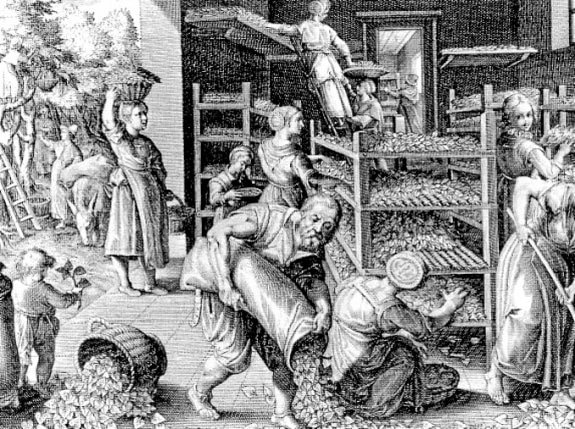
Thousands of farming families cultivated mulberry trees, raised silkworms and sold their cocoons, primarily to merchants in Valencia. For generations, the trade provided one of the principal sources of income across the Vega Baja district.
The Silk Factory brought this long-established rural activity into the industrial age.
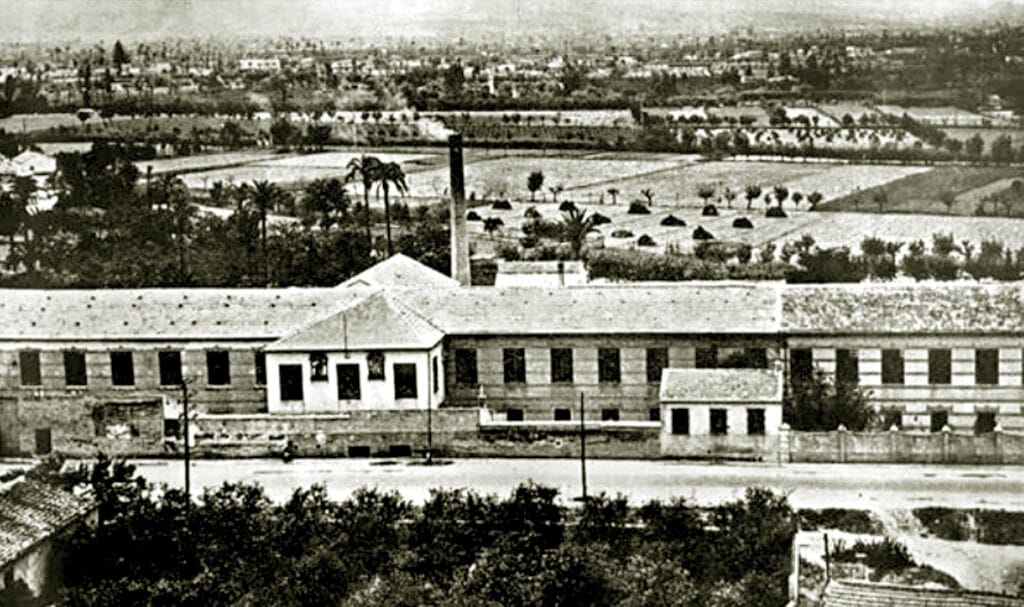
Opened in 1928 by Barcelona businessman Alberto Noguera, the factory was built to industrialise silk extraction in an area already producing large quantities of cocoons. It stood behind the Franciscan convent, close to what is now the N-340 road.
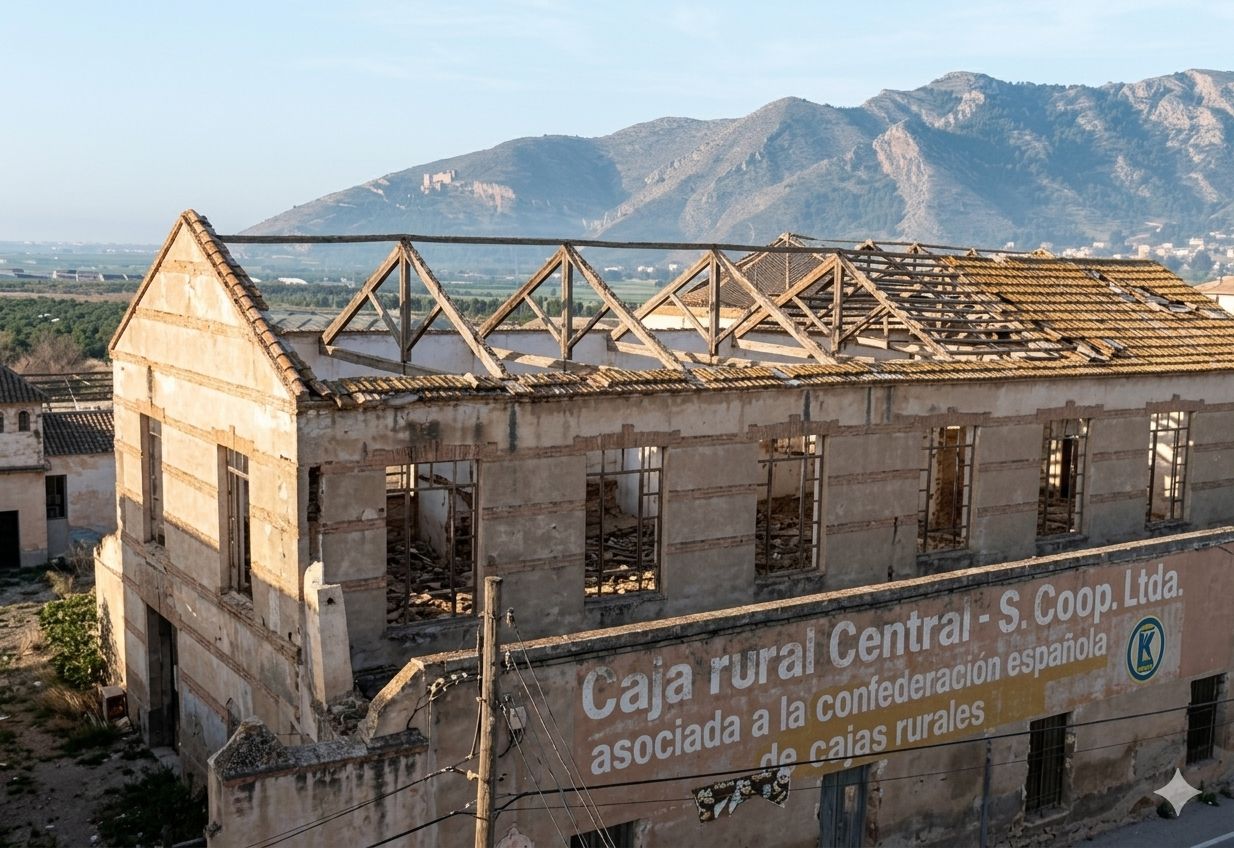
Following the Spanish Civil War, the factory came under the ownership of the Catholic Agricultural Federation, which later became Caja Rural Central.
Its most prosperous period came during the 1940s and 1950s, when around 250 women were employed in spinning and reeling operations. The factory became nationally recognised for the modernity of its equipment and production methods.
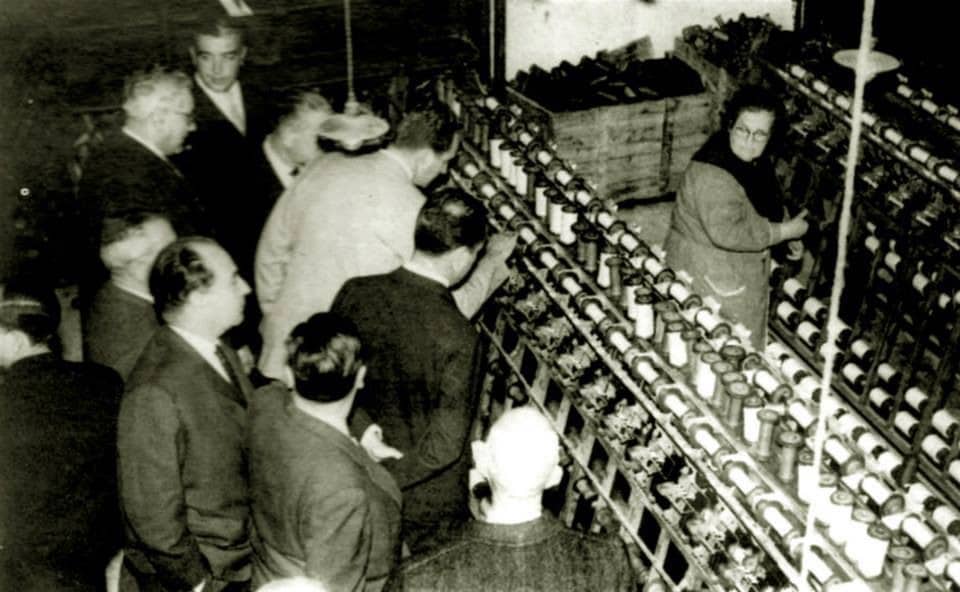
Its prominence was demonstrated in 1965, when the then Prince Juan Carlos de Borbón visited the facilities.
Decline and demolition
The arrival of synthetic fibres eventually brought Orihuela’s silk industry into decline. Natural silk became progressively less profitable, both for the families producing cocoons and for the factory processing them.
Production diminished over time, and the factory finally closed in 1977 after almost half a century of operation.
The buildings were demolished in the mid-1990s, removing the last major physical reminder of an industry that had once employed hundreds of people and supported thousands more across the surrounding countryside.
Preserving industrial memory
Closing the conference, Mayor Pepe Vegara congratulated the lecturers and students for the scale and quality of their research.
He praised their collection of photographs, oral testimony and historical documentation, which had enabled them to reconstruct the history of an industry from which almost no material evidence remains.
Vegara also expressed the council’s intention to continue working with CIPFP El Palmeral on future projects dedicated to preserving and publicising Orihuela’s industrial heritage.
The conference concluded with a call to keep the city’s silk legacy alive and pass it on to future generations.
For the researchers, recovering the story of the Silk Factory is not simply an exercise in nostalgia. It is a way of restoring silk to the prominent place it once held — and, they argue, should never have lost — in the history and identity of Orihuela.