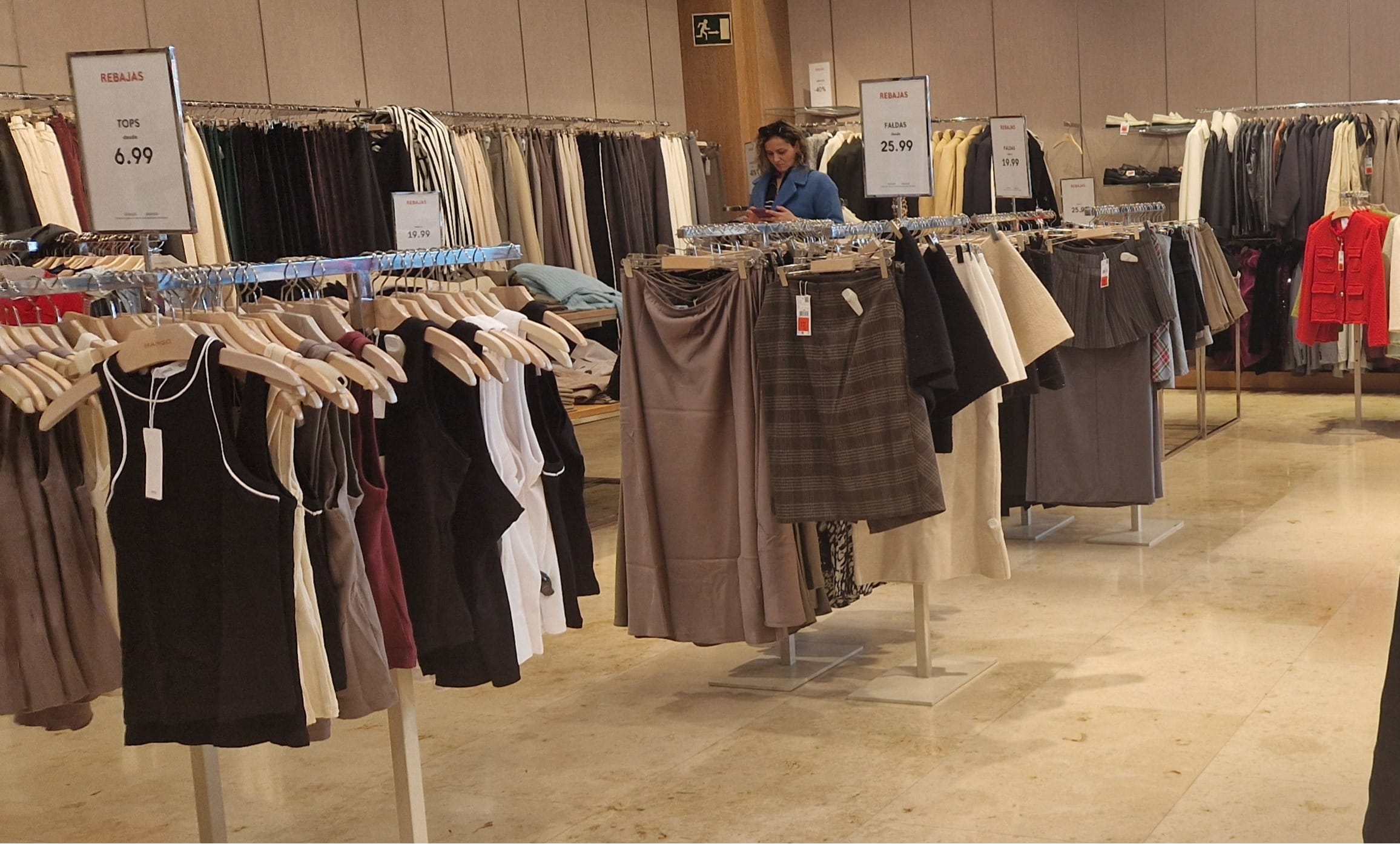
Large fashion companies across the European Union are now prohibited from destroying unsold clothing, accessories and footwear under new regulations intended to reduce waste and improve the industry’s environmental record.
The ban, introduced under the EU’s Ecodesign for Sustainable Products Regulation, applies to companies employing more than 250 people and recording annual net turnover above €50 million.
Retailers, wholesalers and manufacturers must instead attempt to resell unwanted stock through discounts, clearance outlets, alternative markets or second-hand channels. Businesses can also donate suitable products to charities.
Destruction will be permitted only in limited circumstances, including when goods are unsafe, badly damaged or counterfeit, or when charitable organisations have rejected them.
Companies must also publish annual information about the products they discard and retain relevant records for five years. The restrictions are scheduled to be extended to medium-sized businesses in 2030.
Growing Problem of Fashion Waste
Hundreds of thousands of tonnes of clothing, footwear and accessories are believed to be destroyed across the EU every year because of damaged stock, unsold seasonal collections and online returns.
The European Environment Agency estimates that between 4% and 9% of textile products placed on the European market are destroyed before being used.
Online shopping has intensified the problem. Around one in five fashion products ordered online is returned, with many items never offered for sale again.
Incinerating or otherwise disposing of usable clothing also wastes the raw materials, water, energy and transportation required to manufacture and distribute it. The practice contributes to greenhouse-gas emissions and undermines efforts to establish a more circular economy.
European authorities want manufacturers to design longer-lasting products that can be repaired, reused and recycled rather than routinely discarded.
More Discounts—but Challenges for Retailers
The German Retail Federation said consumers could benefit as more unsold clothing is redirected to outlet stores, clearance sales and second-hand markets.
However, the organisation warned that compliance could prove difficult for some businesses. Products with damaged packaging, limited demand or low resale value may be expensive to store, repair or transport, while charities may be unable to accept all the goods offered to them.
The fashion industry has previously argued that destroying unwanted stock can be cheaper than storing or discounting it. The EU’s new rules are intended to ensure that cost alone is no longer sufficient justification for disposing of usable products.