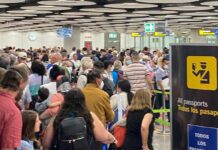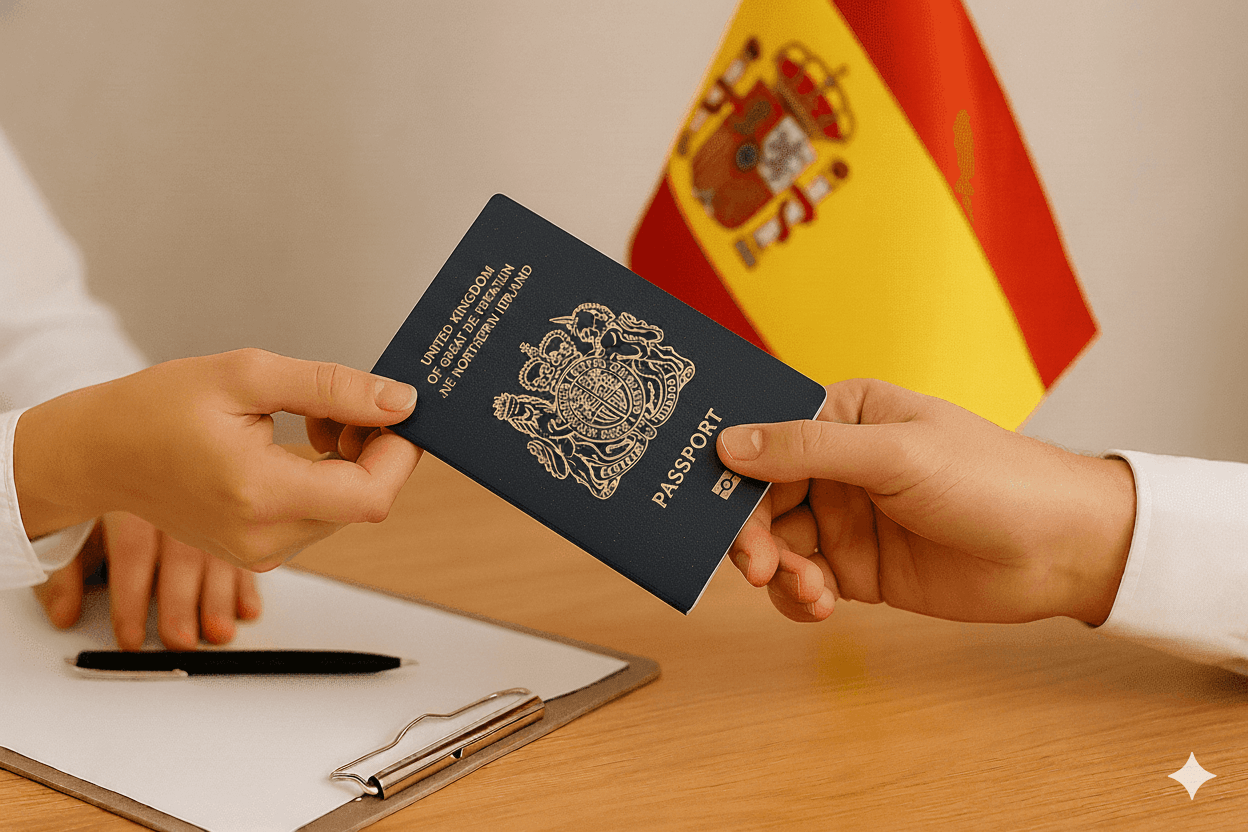
The Spanish Government is preparing measures to tackle the illegal trading of appointments at immigration offices, a practice that leaves migrants vulnerable and reliant on costly private services. The warning comes after the Economic and Social Council (CES) highlighted the problem in its recent Report on the Reality of Migration in Spain: Priorities for Public Policies, commissioned by the Ministry of Inclusion, Social Security and Migration.
According to the report, difficulties in securing appointments online have been worsened by practices that automatically hoard slots and divert them to private circuits, making them accessible only through intermediaries who charge high fees. The CES describes this as an “alegal market,” creating a bureaucratic dead end for many migrants.
In response, the government is considering introducing personalised codes or passwords for appointments in 2026, designed to prevent fraud and the collection of commissions by third parties. “We hope that by the first quarter of next year we will have specific controls in place to prevent fraudulent use or trading of appointments,” said Secretary of State for Migration Pilar Cancela.
An interministerial working group—including the Ministries of Inclusion, Territorial Policy, and the Interior—has been tasked with strengthening controls, detecting irregularities, and, crucially, preventing them before they occur. Ministry officials have also been visiting regional immigration offices to consult with associations and professionals about the best solutions, particularly following the approval of the new Immigration Regulations and the expected rise in administrative procedures.
To support these efforts, staffing at immigration offices has been reinforced, with a first intake of personnel in October and a second planned for early 2026, alongside an additional budget allocation. Cancela emphasised that the combined measures aim to “minimise, and even eliminate, this type of situation.”