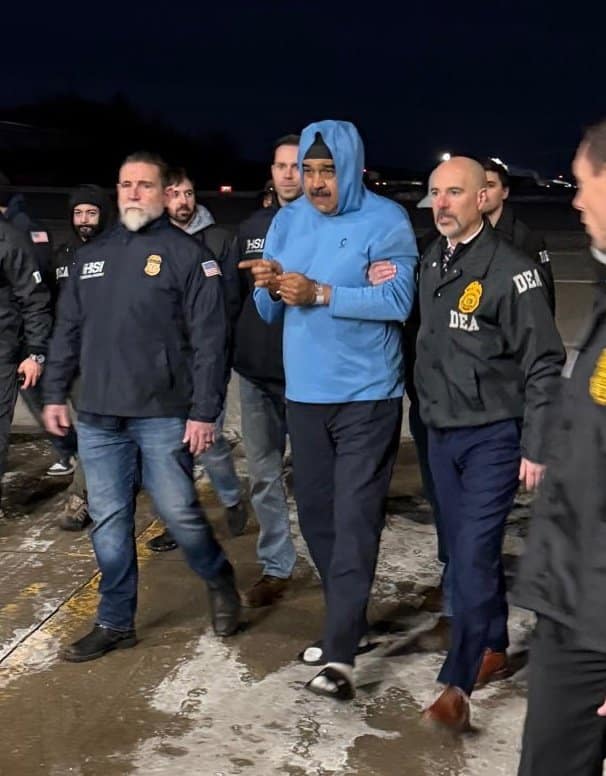

There were a thousand reasons to condemn Nicolás Maduro’s regime.
Authoritarian, oligarchic, and brutal, it has crushed dissent, impoverished millions, and driven an entire generation of Venezuelans into exile. Maduro’s rule deserves no moral defence.
But there is one overriding reason to oppose the regime change the United States has now imposed in Venezuela:
The sovereignty of states is never negotiable.
Not for Venezuela.
Not for any country.
Not under any circumstances.
Sovereignty is not a reward for good behaviour, nor a privilege granted by powerful nations. It is inviolable and sacred, regardless of a state’s size, wealth, ideology, or geopolitical usefulness.
The moment we accept that sovereignty can be suspended because a government is corrupt, authoritarian, or inconvenient, we reopen a door humanity spent centuries trying to close. Today it is Venezuela. Tomorrow it will be someone else. And eventually, it will be us.
To renounce this principle now is to accept the logic of domination — that power decides legitimacy, that force replaces consent, and that nations exist at the discretion of those strong enough to manage them.
That path does not lead to stability.
It leads to servitude.
The 21st century is already marked by profound geopolitical upheaval: wars without endings, alliances without trust, and crises that cascade faster than diplomacy can contain them. To normalise externally imposed regime change in this environment is not only reckless — it is a direct invitation to chaos.
If democracy is to mean anything, then the future of Venezuela must belong to the Venezuelan people alone. Power must return to them — freely, sovereignly, without tutelage or coercion — to decide what kind of nation they wish to be.
Yet instead, we are confronted with something far more alarming.
A President of the United States who speaks openly not only about “running” Venezuela, but who casually entertains grandiose visions of dominance extending to Canada and Greenland — allied territories spoken of as if they were assets, not nations.
This is not leadership.
It is imperial imagination.
And it should terrify anyone who still believes in a rules-based international order.
One may oppose Maduro without endorsing conquest.
One may condemn tyranny without legitimising takeover.
Because once sovereignty becomes conditional, freedom becomes temporary — and silence today becomes submission tomorrow.
Image courtesy X / Formerly Twitter