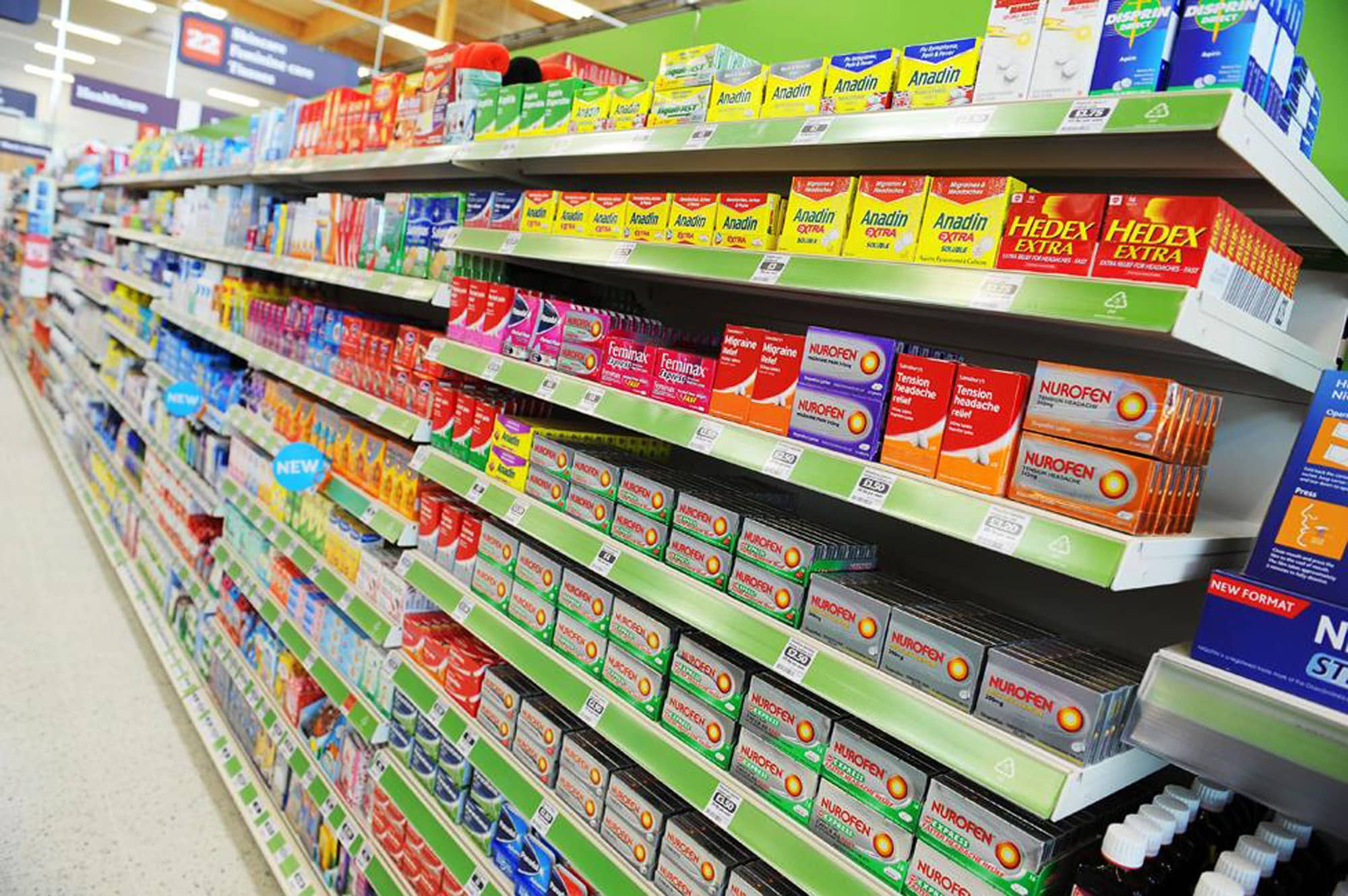
Pharmacies across the province of Alicante are now strictly enforcing prescription requirements for high-dose ibuprofen and paracetamol, following directives from the Spanish Agency for Medicines and Health Products, which operates under the Ministry of Health. As a result, ibuprofen at 600 milligrams and paracetamol at one gram can no longer be sold without a doctor’s prescription.
The measure aims to curb the widespread misuse of these commonly used painkillers, which for years were routinely taken for minor ailments without medical supervision. Health authorities warn that excessive or prolonged use of high-dose ibuprofen and paracetamol can lead to serious side effects, including stomach ulcers, high blood pressure, hypertension and capillary fragility.
Although the prescription-only status of these dosages was already established under the 2006 Law on Guarantees and the Rational Use of Medicines, enforcement had been inconsistent. Pharmacies are now complying more rigorously with the legislation, in line with European regulations and stricter monitoring systems that prevent the sale of prescription medicines without proper authorisation.
Lower-dose alternatives remain available without a prescription, but only in smaller packages. These products generally contain between 10 and 15 tablets, compared with the traditional packs of 40 or 50 tablets, which now require a prescription. All non-prescription ibuprofen is limited to a maximum dose of 400 milligrams, as higher doses offer limited additional benefit for most patients while significantly increasing the risk of adverse effects.
The change has led to complaints from some consumers, particularly regarding cost. Over-the-counter versions of ibuprofen and paracetamol are often two to four times more expensive than generic prescription medicines. This price difference is largely due to branding and advertising costs, as many of the non-prescription alternatives are marketed products. Consequently, some patients feel compelled to visit a doctor simply to obtain a prescription for medicines they previously purchased freely.
Health authorities argue that the new system is a necessary public health measure designed to reduce self-medication and prevent overdosing. Smaller package sizes limit the amount of medication available without medical supervision, lowering the risk of misuse.
The situation has also drawn attention to broader issues surrounding drug pricing and availability in Spain. Some essential medicines are sold at heavily regulated prices that discourage manufacturers from marketing them, reducing competition. The Medicines Agency is currently reviewing pricing policies in an effort to ensure patient safety while maintaining access to affordable treatments.