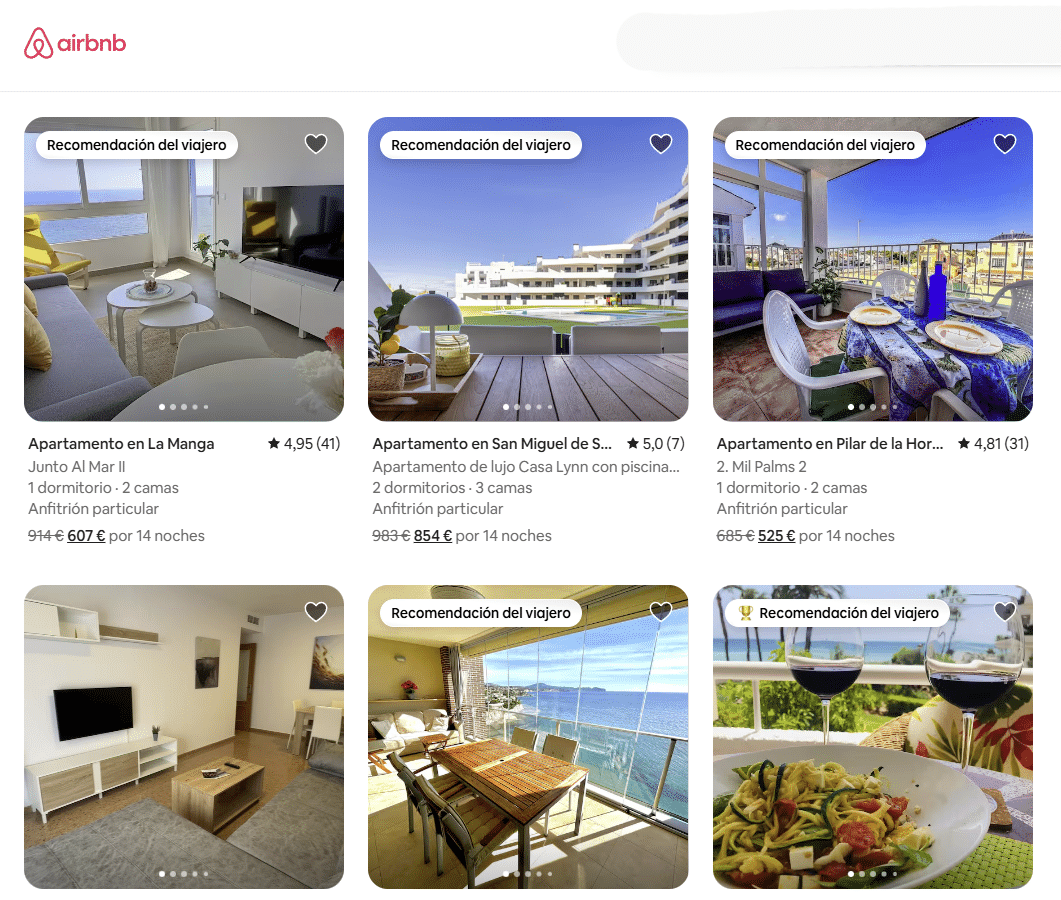
Spain has taken one of its strongest regulatory actions yet against short-term holiday lets, fining Airbnb €65 million (£56 million) for advertising thousands of unlicensed properties across the country.
The penalty, imposed by Spain’s Ministry of Consumer Affairs, follows an investigation into listings that allegedly breached national consumer protection rules. Authorities say some of the properties promoted on the platform were either not licensed for tourist use or were explicitly banned from being rented to visitors.
As part of the ruling, Airbnb has been ordered to remove the offending listings. While the ministry says the fine is not subject to appeal, Airbnb has confirmed it plans to challenge the decision in court.
Tourism Boom, Housing Pressure
Spain remains one of the world’s most popular travel destinations, welcoming millions of visitors each year. However, the success of tourism has increasingly collided with local housing concerns, particularly in major cities such as Barcelona, Madrid and coastal hotspots.
High demand for short-term holiday rentals has been blamed for driving up rents and reducing long-term housing supply, pushing many residents out of central neighbourhoods. These tensions have fuelled a wave of anti-tourism protests in recent months, including demonstrations in Barcelona ahead of the busy summer season.
Consumer Rights Minister Pablo Bustinduy framed the fine as a defence of residents’ right to housing. “Thousands of families are living on the edge because of housing costs, while a few profit from business models that force people out of their homes,” he said in a statement.
In a separate post on social platform Bluesky, Bustinduy added: “No company, no matter how big or powerful, is above the law — especially when housing is at stake.”
Airbnb Pushes Back
Airbnb disputes the government’s position, saying it is “confident that the Ministry of Consumer Affairs’ actions are contrary to applicable regulations in Spain.”
The company noted that Spain’s short-term rental rules were updated in July and said it has been working closely with the Ministry of Housing to support the rollout of a new national registration system for tourist properties.
Despite this, the Spanish government says more than 65,000 Airbnb listings breached consumer rules, including properties without valid licences or listings whose licence numbers did not match official records.
A Global Trend
Spain is not alone in tightening controls on short-term rentals. Popular tourist cities including Barcelona, Paris, Berlin, New York and San Francisco — Airbnb’s birthplace — have all introduced strict limits in recent years.
Originally launched in 2007 and surging in popularity around 2014, Airbnb transformed travel by offering visitors affordable alternatives to hotels. But as short-term lets expanded from spare rooms to entire apartment blocks, many cities began to rein in the sector amid complaints about housing shortages, rising rents and disruptions to local communities.
For travellers planning a visit to Spain, the message is clear: regulations are tightening, and licensed accommodation is becoming an increasingly important part of responsible travel.