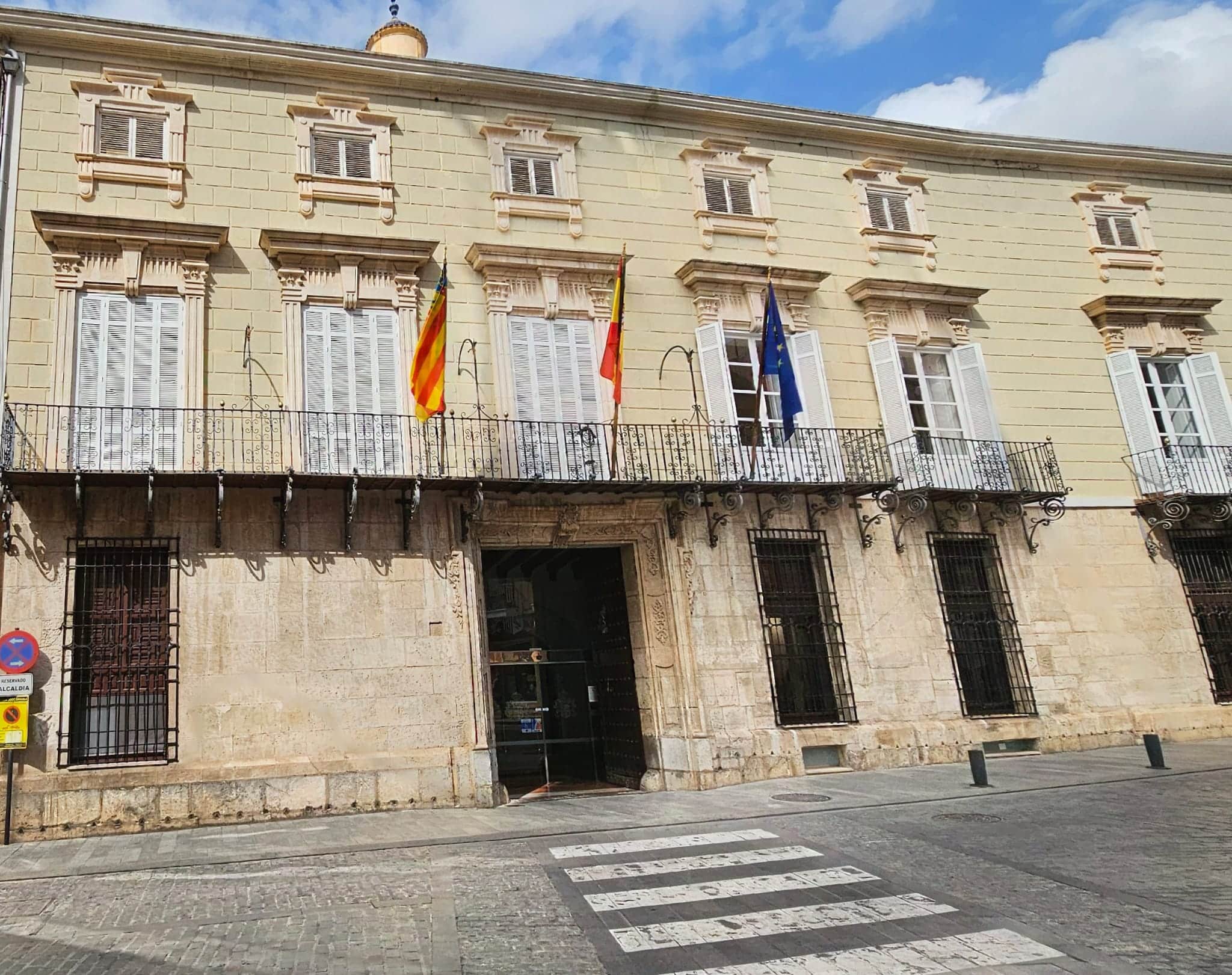
The Orihuela City Council has submitted 117 documents to the Public Prosecutor’s Office in Elche regarding suspected fraud in public subsidies granted to festival committees in La Murada and Orihuela Costa. The case, which dates back to 2024, involves falsified invoices and bank records, and has already forced the resignation of a mayoral adviser.
The council’s legal services flagged the documents as containing “indications of possible criminal offenses” and delivered them to prosecutors on August 19. The files include bank statements, invoices, supplier communications, and repeated requests for clarification sent to both festival committees after municipal technicians identified “obvious inconsistencies” in their accounts.
Inflated Bills and Altered Transfers
The City Council is demanding the return of €19,280 from La Murada’s festival association and €7,352 from Orihuela Costa’s committee. In La Murada, officials discovered inflated invoices: suppliers, including the local marching band and the company that printed the festival program, were paid significantly less than what the invoices claimed.
In Orihuela Costa, investigators found that bank transfer documents had allegedly been tampered with. The amounts listed were altered, and when asked to resubmit corrected records, the committee provided documents that appeared more credible but were still deemed irregular. The bank later confirmed that the supposed transactions did not exist in its system.
Political Fallout
The scandal has political implications. Until the irregularities came to light, La Murada’s festival association was chaired by Cristian Berná, an adviser to Mayor Pepe Vegara (PP). Berná resigned following the revelations.
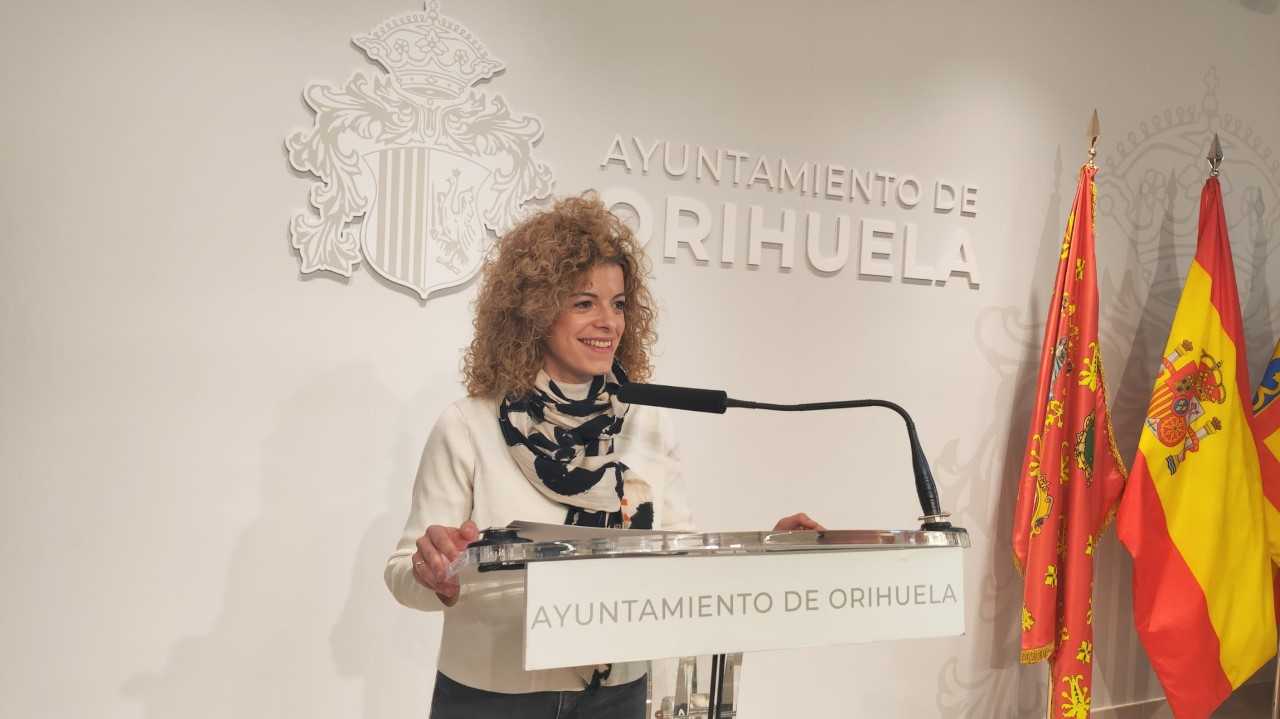
Meanwhile, opposition parties PSOE, Ciudadanos, and Cambiemos have demanded an extraordinary meeting of the City Services Commission to address the case. They want Mayor Vegara, Festival Councillor Rocío Ortuño, the area coordinator responsible for processing the grants, the municipal auditor, and advisers linked to Vox—whose support secures the PP’s majority—to testify.
One of those advisers, Héctor Mateo Sigüenza, a Vox appointee and resident of La Murada, was listed as treasurer of the questioned festival committee. Mateo claims his signature was forged on several invoices, though he has not accused anyone directly. His complaint has not yet been forwarded to the City Council and does not appear in the files submitted to prosecutors.
Opposition Demands Transparency
The opposition is pressing for a single-item agenda meeting dedicated to explaining the suspected fraud and ensuring accountability in the handling of public funds. They also insist on full access to the case documents. After initial restrictions, councillors were eventually granted digital access to the files, with municipal staff offering clarifications on the review process.
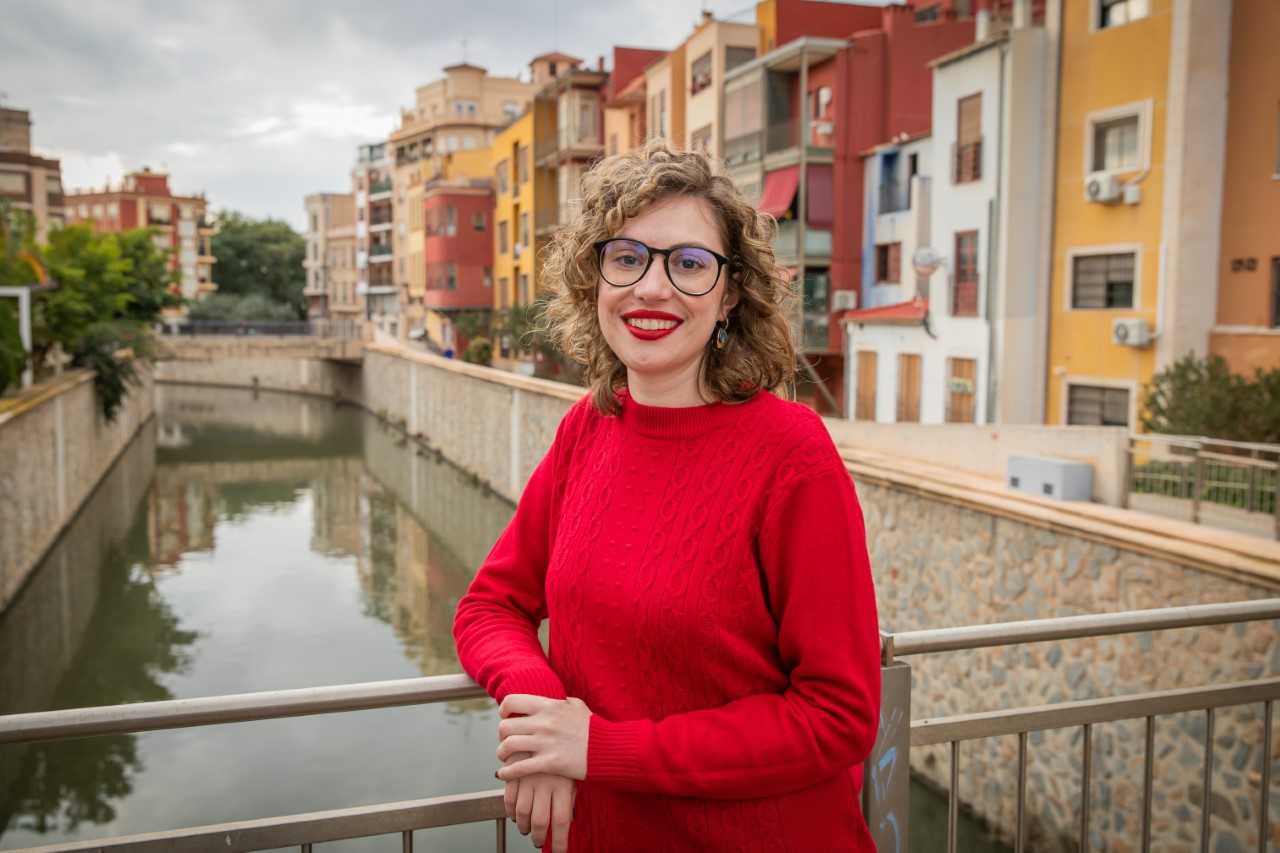
While PSOE and Ciudadanos have voiced concerns publicly, Cambiemos—represented by spokesperson Leticia Pertegal—has so far refrained from commenting beyond co-signing the request for a commission hearing.
Public Concern: How Did Nearly €27,000 Slip Through the Net?
The revelations have sparked unease among Orihuela residents, who are questioning how alleged fraud of almost €27,000 could have occurred despite the multiple layers of financial oversight supposedly in place for municipal grants.
Festival subsidies typically undergo a multi-step process of approval, justification, and verification by council staff before being signed off. Yet, according to the city’s own legal department, falsified invoices and manipulated bank transfers were able to pass through until routine technical checks exposed the irregularities.
For some locals, the affair raises deeper concerns: was this a one-off scheme, or just the first sign of a broader problem? Critics warn the scandal could be “the thin end of the wedge” if more cases of misused public money emerge from other festival committees or associations.
Opposition parties argue that only a full public airing of the documents and testimonies can restore confidence. “This is not just about recovering €27,000,” one councillor said privately, “it’s about knowing whether the system itself is, and has been, vulnerable to abuse.”