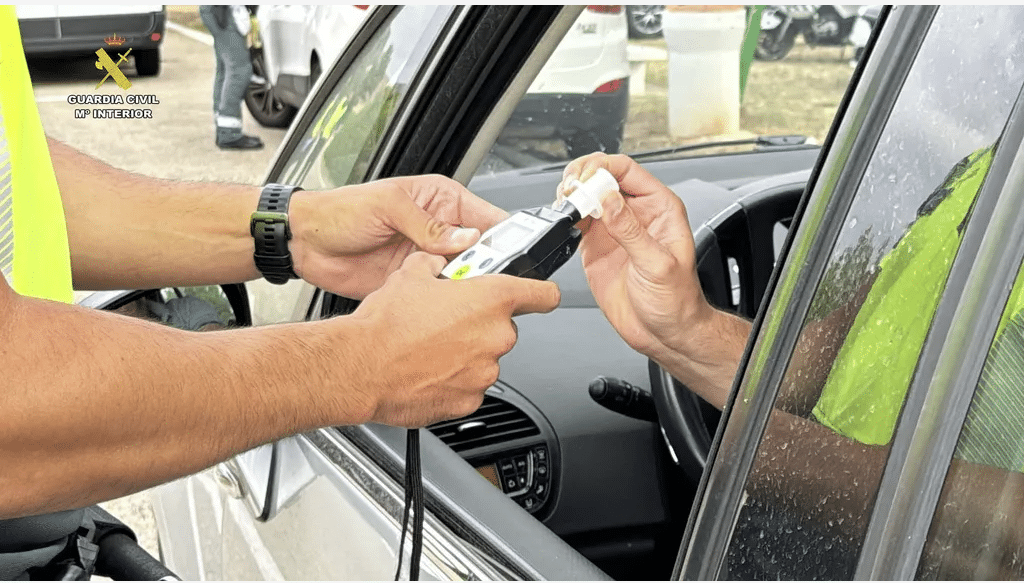
Plans to lower Spain’s legal drink-driving limit have been rejected in Congress, meaning the current threshold will remain in force.
The proposal sought to reduce the maximum permitted alcohol level from 0.5 grams per litre of blood to 0.2, a move supporters said would bring Spain closer to a near-zero tolerance policy and strengthen the country’s road safety message.
However, the measure failed to pass through the Interior Committee after several political parties voted against it, blocking the reform.
Critics of the proposal argued that lowering the legal limit alone would not address the root of the problem. Opponents said tougher enforcement, more roadside checks, stronger prevention campaigns and better education were more likely to have an impact on dangerous driving.
Some lawmakers who opposed the plan said the safest level for any driver is effectively zero, but maintained that the proposed law would do little to prevent the most serious offences. They argued that many alcohol-related crashes already involve drivers who are far above the current legal limit, often by a wide margin.
The reform had been under discussion for months. In 2025, Congress agreed to begin processing the draft legislation, which also included measures to stop people sharing the locations of police checkpoints on social media.
Road safety groups had backed the proposed change, saying a lower alcohol limit could help reduce crashes and save lives. But with the measure now rejected, Spain’s existing drink-driving rules will stay unchanged for the time being.