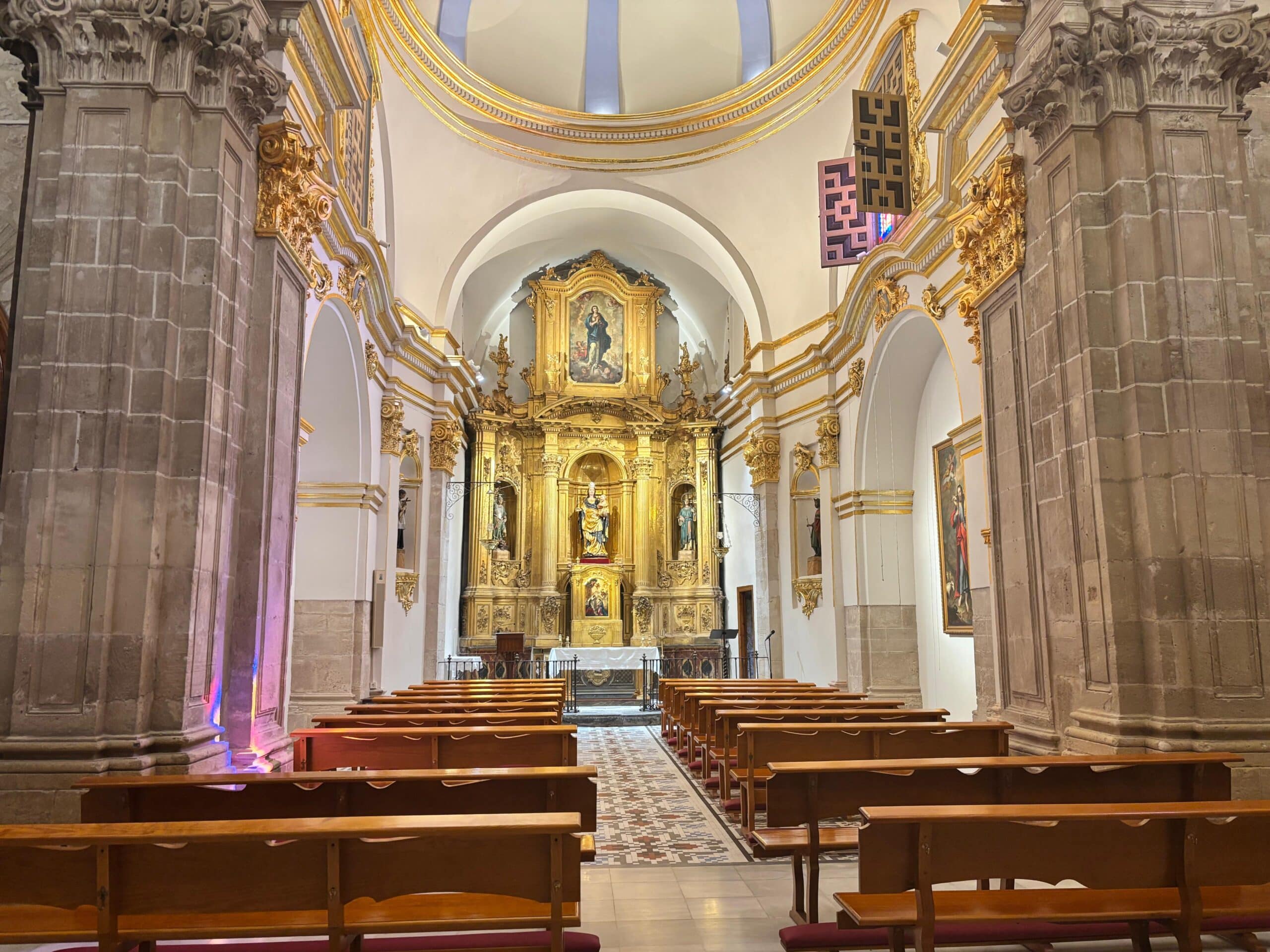
The city of Orihuela has regained one of its most treasured historic spaces with the reopening of the restored Communion Chapel at the Church of Saints Justa and Rufina, which has remained closed for around twenty years due to structural deterioration.
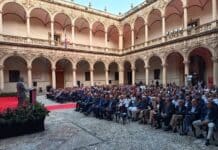
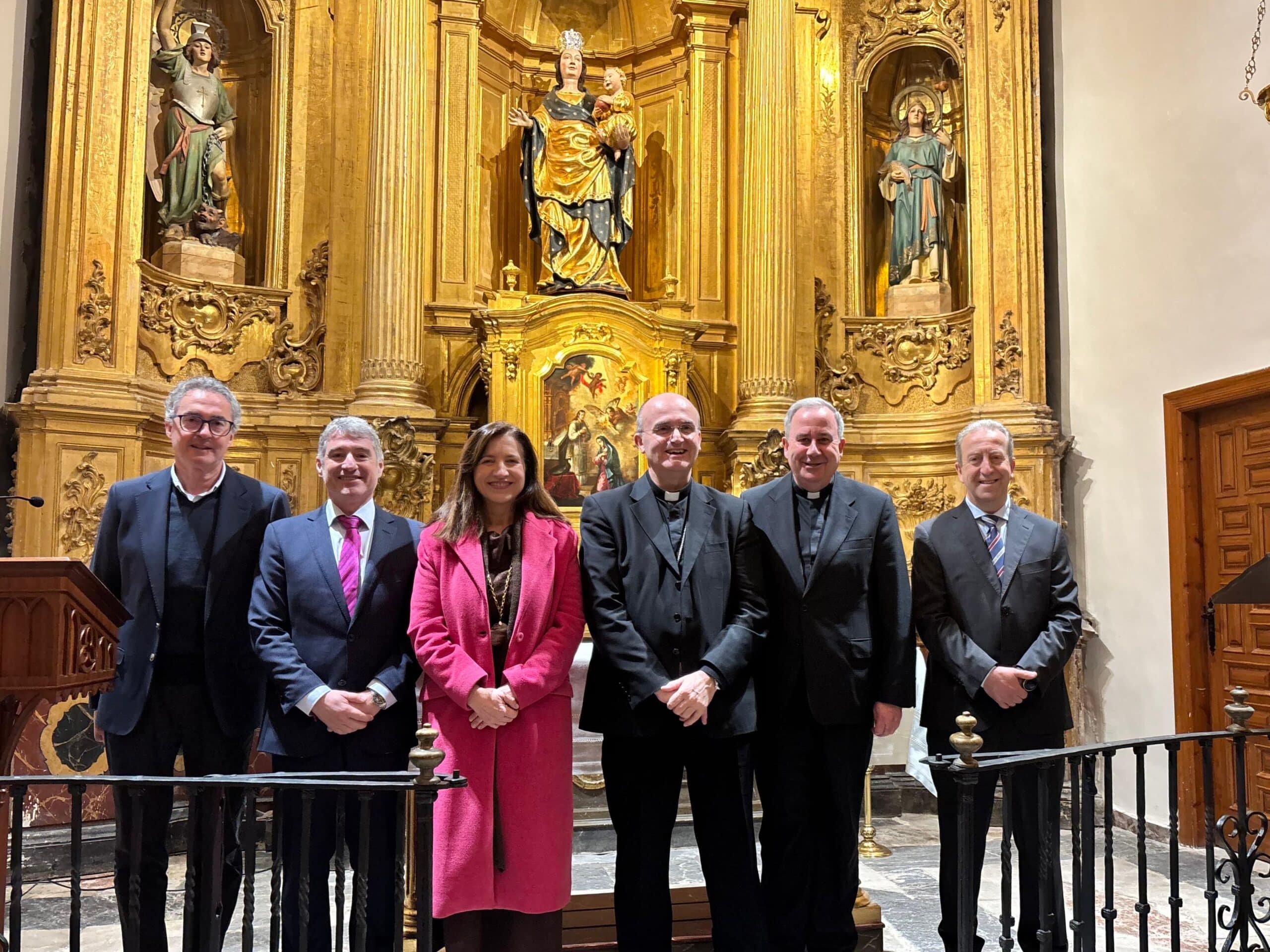
The newly restored chapel was officially inaugurated at a ceremony attended by mayor Pepe Vegara, regional Secretary for Culture Marta Alonso, the bishop of the Diocese of Orihuela-Alicante José Ignacio Munilla, project architect Juan de Dios de la Hoz, and the city’s councillor for Urban Planning and Heritage Matías Ruiz, along with municipal officials, representatives of the regional government and local residents.
The restoration project was promoted by the Diocese and supported by public institutions. The Generalitat Valenciana contributed €200,000, matched by another €200,000 from Orihuela City Council, with the remaining funding provided by the Diocese.
Speaking at the inauguration, Mayor Vegara described the reopening as the end of a long wait for the city. “Twenty years have passed since this chapel closed. For two decades people heard that the restoration would begin soon and that it would reopen,” he said. “Today that wait finally ends.”
The mayor highlighted the project as another step in the broader effort to revitalise Orihuela’s historic centre and preserve its rich architectural heritage.
Careful restoration
Architect Juan de Dios de la Hoz explained that the work followed a principle of minimal intervention to preserve the chapel’s historical authenticity. One of the most complex aspects of the restoration involved repairing the brick dome, which had developed serious structural cracks. The project removed later additions, stabilised the structure and restored the dome to its original form.
The chapel itself dates from the 18th century and was designed by architect Antonio de Villanueva. The interior features a notable Baroque altarpiece by sculptor José Ganga y Ripoll, centred on a Gothic carving of the Virgin of the Rosary.
Years of rainwater infiltration and structural cracking had forced the chapel’s closure, making a full restoration necessary. The completed works included repairs to the roof, structural consolidation and the restoration of interior decorative elements.
Bishop Munilla welcomed the collaboration between institutions that made the project possible and confirmed that the chapel will once again fulfil its original purpose. Daily Mass will now be celebrated there once more.
Bell tower restoration next
During the event, officials also announced the upcoming restoration of the church’s bell tower, one of the most recognisable features of Orihuela’s skyline. The project will focus mainly on the exterior, including the gargoyles, upper balustrade and decorative stonework, to prevent deterioration and possible falling fragments.
Work on the tower is expected to begin in the coming weeks, with an eight-month timetable and a budget of €550,000, helping to safeguard another landmark of Orihuela’s historic architectural heritage.